Apple has announced significant price increases across its Mac and iPad product lines, attributing the hikes to escalating costs of memory and storage components. The surge in demand for these components, driven by the rapid expansion of AI data centers, has led to unprecedented price increases that the company can no longer absorb.
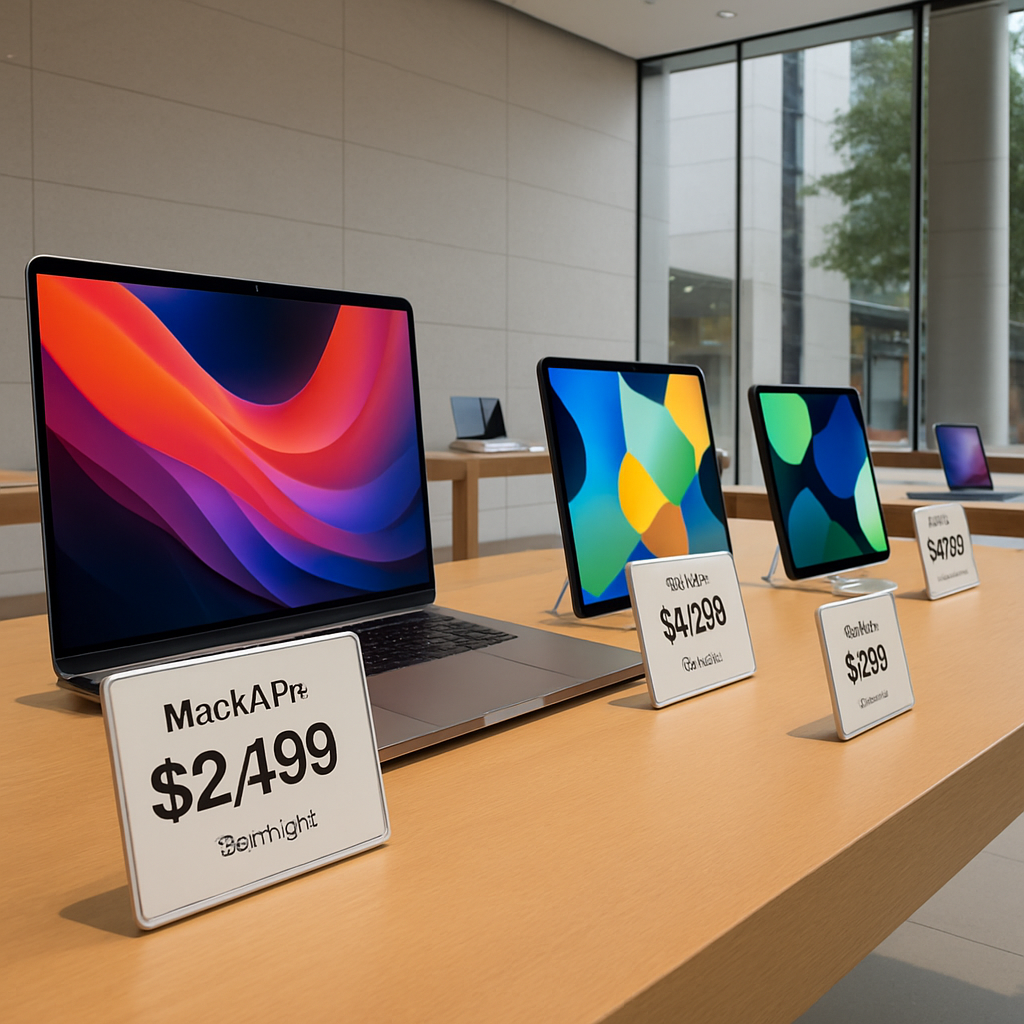
The MacBook Neo, introduced as an affordable option, now starts at $699, up from its initial price of $599. The MacBook Air’s base model has risen from $1,099 to $1,299, while the MacBook Pro’s starting price has increased from $1,699 to $1,999. Desktop models have also seen adjustments; the Mac Studio now costs $2,499, up from $1,999.
iPad models are similarly affected. The iPad Air’s price has increased from $599 to $749, and the iPad Pro now starts at $1,199, up from $999. The base iPad model with the A16 chip has risen from $349 to $449, and the iPad Mini with the A17 chip now costs $599, up from $499.
Apple’s smart home devices have not been spared. The standard HomePod’s price has increased from $299 to $349, the HomePod Mini from $99 to $129, and the Apple TV box from $99 to $129. Additionally, the Vision Pro headset now carries a price tag of $3,699, up from its previous $3,499.
In a statement, Apple acknowledged the challenges posed by the rapid expansion of AI data centers, which have created an extraordinary surge in demand for memory and storage. The company emphasized that it has never seen component prices increase so dramatically and quickly. Apple expressed understanding that this news may be unwelcome to customers and assured that it is working diligently to find solutions.
CEO Tim Cook had previously indicated that price increases were unavoidable due to the rising costs of memory and storage components, a situation exacerbated by the AI boom. During an earnings call in April, Cook noted that while iPhones were facing constraints related to main processing chips rather than memory, other product lines were significantly impacted by the memory shortage.
In May, Apple discontinued the base 256GB $599 Mac Mini, making the $799 model with 512GB storage the new entry-level option. The M4 Pro configuration of the Mac Mini has now increased from $1,399 to $1,599.
Analyst firm Counterpoint reported that in the first quarter of 2026, smartphone DRAM prices jumped by 50%, and NAND Flash storage prices increased by over 90% quarter-over-quarter. Research Director Tarun Pathak noted that memory prices have increased more than fourfold since the fourth quarter of 2025, eroding profit margins across the consumer electronics industry. He commended Apple for maintaining steady prices until now but acknowledged that the growing demand for AI infrastructure has fundamentally altered the memory supply chain, making higher costs a lasting challenge.
While the iPhone remains unaffected by these price adjustments for now, Apple has hinted that further price changes may be forthcoming. This development underscores the broader pressures facing the tech industry as it navigates supply chain disruptions and increased component costs driven by the AI boom.
For consumers, these price increases may prompt reconsideration of purchasing decisions, especially for those who have been contemplating upgrading their devices. It also highlights the interconnectedness of technological advancements and market dynamics, where innovations in one sector can have cascading effects across the industry.