Global shipments of true wireless stereo (TWS) audio gear are contracting, but Apple continues to dominate. A recent industry study found that Apple’s year-over-year shipments rose slightly in Q2 2026, setting it apart as one of the few in the top tier to post any growth in a cooling market.
TWS Market Sees Dip, Apple Climbs Slightly
Industry tracker Omdia reports that Apple shipped 16.8 million TWS devices in the second quarter of 2026, marking a 1.2% increase compared to the same span in 2025. In contrast, the total TWS market shrank by about 0.7% year over year. Apple now holds around 20.5% market share in the segment. The next closest rival, Xiaomi, is distant at 10.4%, followed by Samsung (6.7%), Huawei (6.2%), and OPPO (5.0%). Only Apple and OPPO among the top five saw shipment gains; OPPO (including OnePlus) enjoyed about a 14.9% boost year over year. The rest either declined or stayed flat.
Open-Ear Wireless Makes Big Strides
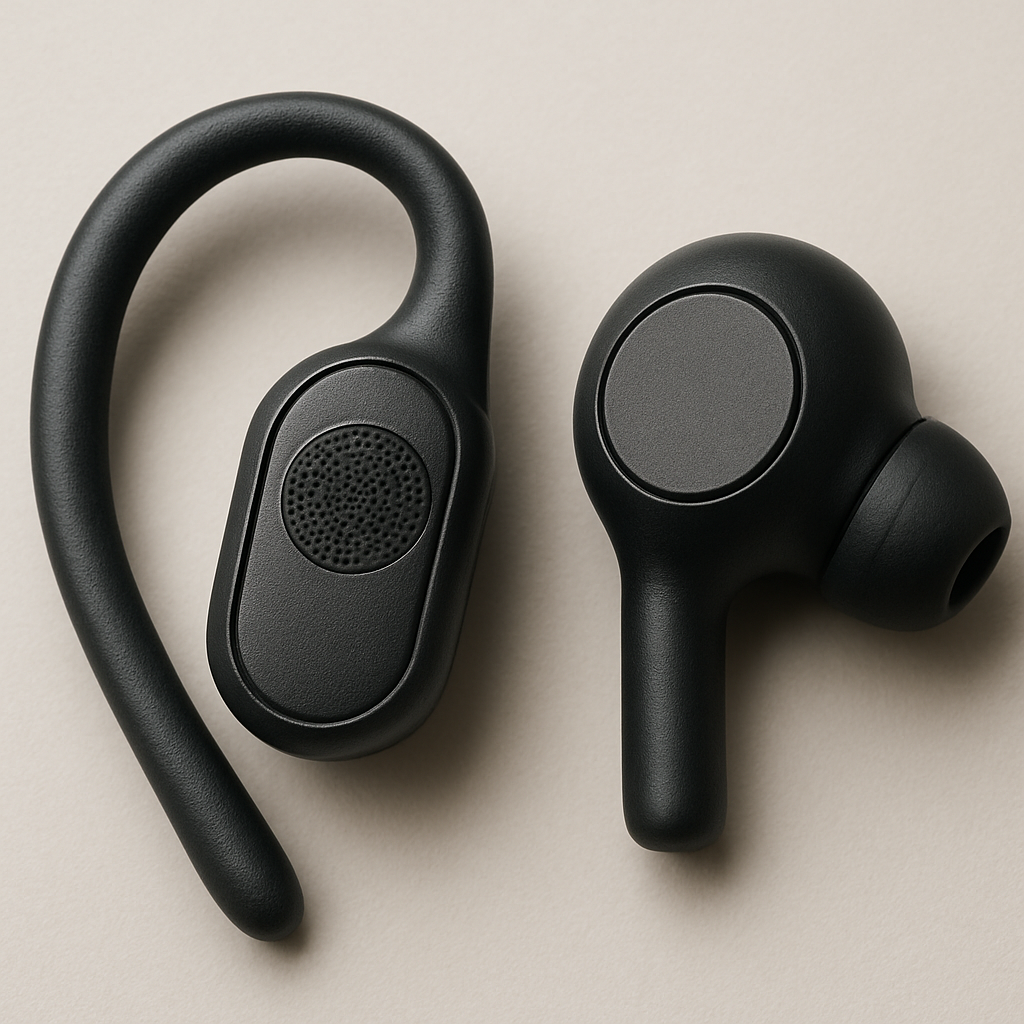
A standout from the report is the rise of open wireless stereo (OWS) devices—a subset of TWS. These are earbuds and audio wearables designed to leave the ear canal open, such as clip-ons or ear hooks. Globally, OWS shipments jumped by 12% in Q2 2026. The market is being led by brands that specialize in open-ear designs: Shokz shipped 1.1 million units, commanding 10.3% of OWS’s market share and seeing a stunning 107.9% year-over-year growth. Sanag followed with slower growth at 2.4%, while Huawei’s shipments fell about 4.1% despite a 7.0% share in the segment. Other players like Baseus and Edifier are also riding the trend with double-digit growth.
Forecasts suggest open-ear form factors are among the most promising in the TWS universe. Omdia predicts annual OWS shipments will more than double from 43.9 million units in 2026 to 90.5 million by 2030—that will make open-ear options roughly one in every five TWS devices sold by then.
Where Apple Fits In with Open-Ear
Apple has publicly embraced open-ear designs with its newly revealed AirPods 5 model. During its “Surprise and Shine” event in early September 2026, Apple’s VP of Hardware Engineering characterized the AirPods 5 as its “beloved open-ear fit,” adding that they deliver industry-leading active noise cancellation (ANC) in that form factor. Despite that marketing, the Omdia data does not treat non-Pro AirPods as part of the OWS category.
This signals Apple’s interest in mixing its in-ear dominance with open-ear innovation—which could help it stay resilient or even gain more share as consumer preferences shift.
This evolving landscape shows that what began as niche—open-canal-free designs—is rapidly becoming a bright spot. As in-ear models saturate and users demand more comfort or situational awareness, open-ear could be the next major frontier.
Context & Comparison
True wireless audio revolution began with standard in-ear earbuds that seal off the ear canal—products like standard AirPods, Galaxy Buds, and countless others. The rise of the “Pro” tier brought superior noise cancellation and richer fidelity, but also higher cost and sometimes discomfort. Open-ear models, often lighter and airier, cater to users who prioritize comfort, outdoor awareness, or unique fit styles.
Apple has long been the TWS benchmark. Even as competitors attempt to capture slice after slice—through design variety, price, or specialized features—the company remains the largest single player, benefiting from its massive brand reach and integration into its own hardware/software ecosystem.
This isn’t just about form or convenience. As digital audio splits outward—Fitness, commuting, open-ear for awareness—manufacturers will need to balance noise isolation with safety and comfort. Open wireless allows for sound from the environment to mix in, challenging ANC-centric norms.
What this means: Apple is well-positioned to lead, but it won’t be able to rest on in-ear laurels forever. The open-ear trend shows growing demand, particularly among those prioritizing comfort, awareness, or lighter designs. The next battle in audio won’t only be about better ANC or richer bass—it’ll be about blending isolation and openness, utility and comfort. How brands reinvent fit and form could define winners in the next TWS era.