Apple has reportedly ceased development of key components intended for a more affordable version of its Vision Pro headset. This decision marks a significant shift in the company’s strategy within the extended reality (XR) market.
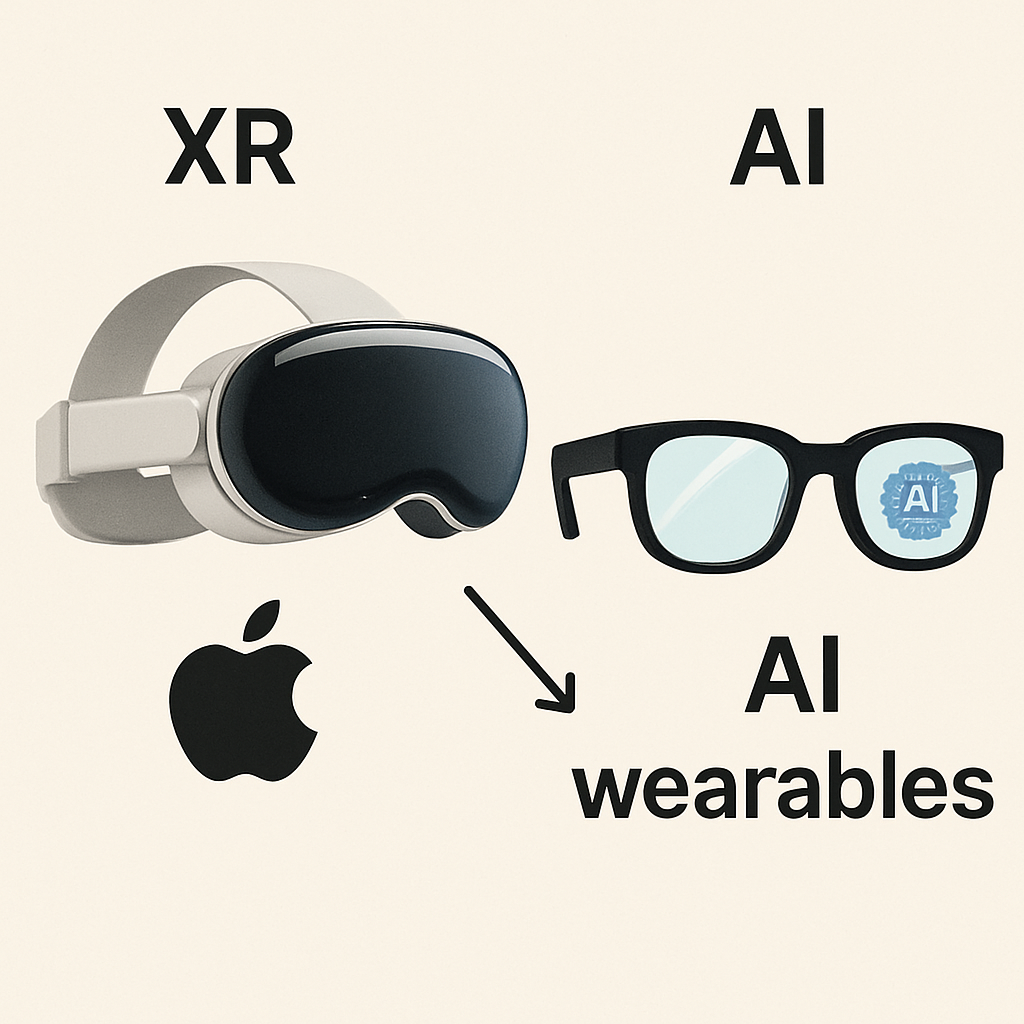
According to industry sources, Samsung Display has terminated its work on the G-VR panel, a glass-substrate micro-OLED display that was anticipated to be a cost-effective alternative to the silicon-based OLEDoS technology used in the current Vision Pro. The G-VR panel was designed to offer a pixel density of 1,600 to 1,700 pixels per inch (PPI), approximately half of the Vision Pro’s 3,386 PPI, thereby reducing manufacturing costs. Mass production of this panel was initially slated for post-2028. However, the project began winding down earlier this year as Apple redirected its focus toward developing AI-powered smart glasses.
Speculation about a more affordable and lighter version of the Vision Pro has been circulating since before the original device’s launch. In October 2025, reports indicated that Apple had paused plans for a Vision Pro overhaul to concentrate on smart glasses development. Subsequent reports in March 2026 suggested that while Apple was working on a slimmer and lighter headset to succeed the $3,499 Vision Pro, its release was not expected before late 2028 or 2029. Notably, these reports mentioned a pause rather than a complete cancellation of the project.
Analyst Ming-Chi Kuo has also commented on the evolving status of the so-called “Vision Air,” noting that only two smart glasses products remain visible in Apple’s roadmap, with no indication of the immersive headset previously anticipated.
Apple has consistently positioned the Vision Pro as a glimpse into the future of spatial computing rather than a mass-market device. Company executives have emphasized the headset’s role in merging digital and physical worlds, focusing on delivering superior products and experiences over merely shipping technology.
For consumers hoping for a more accessible version of the Vision Pro, these developments are undoubtedly disappointing. The steady stream of reports suggests that a cheaper alternative is becoming increasingly unlikely. While the Vision Pro showcases Apple’s commitment to innovation in spatial computing, its high price point and limited adoption raise questions about the company’s long-term strategy in the XR market. Observers will be keen to see how Apple balances its pursuit of cutting-edge technology with the need to make such innovations accessible to a broader audience.