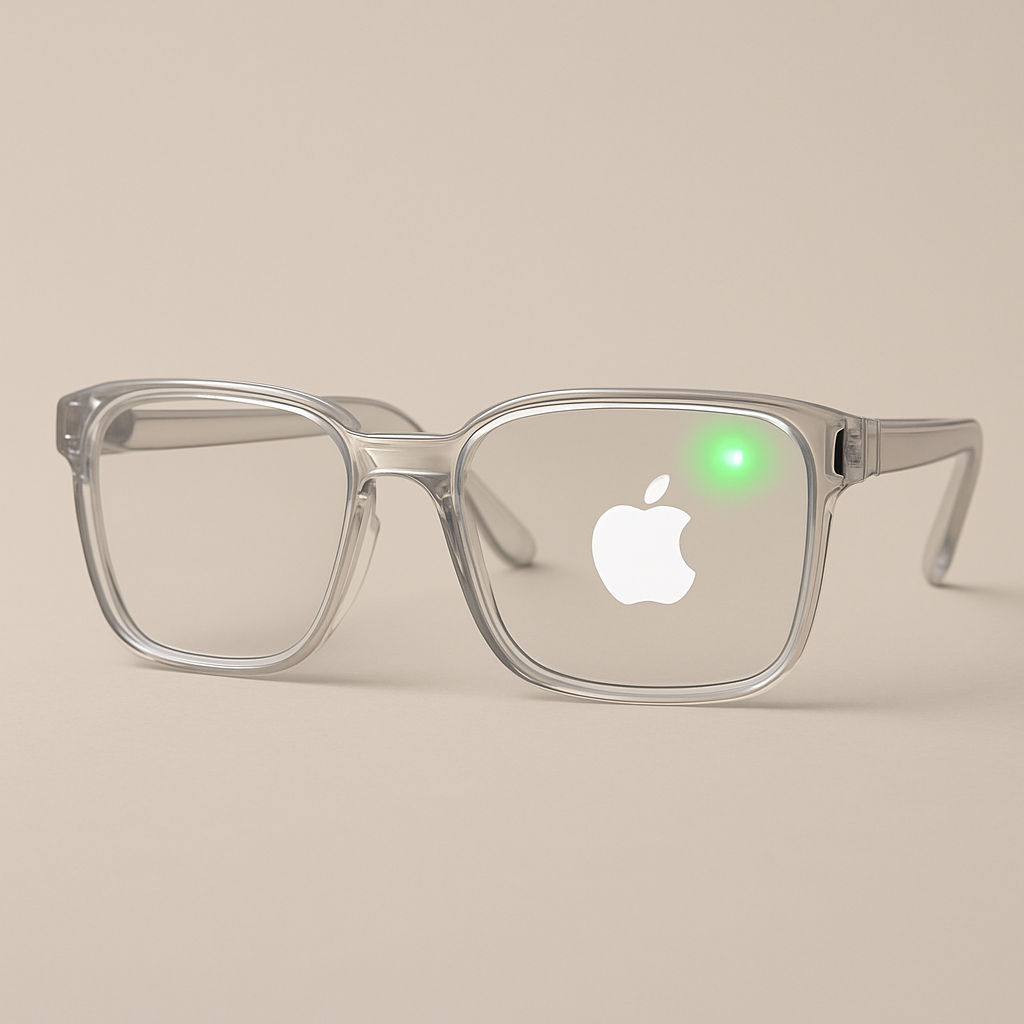
Recent reports suggest that Apple is considering releasing its upcoming Apple Glasses without photo or video recording capabilities, aiming to address potential privacy issues. While this approach underscores Apple’s commitment to user privacy, it raises questions about the device’s overall utility.
Historically, smart glasses equipped with cameras have faced significant privacy-related backlash. Google’s early foray into this space with Google Glass encountered public resistance, with users being derogatorily labeled as “Glassholes.” Similarly, Ray-Ban’s collaboration with Meta resulted in smart glasses that, despite their innovative features, sparked concerns due to instances where individuals were recorded without consent. Such incidents highlight the delicate balance between technological advancement and personal privacy.
Apple’s dedication to privacy is well-documented. The company emphasizes on-device processing for AI features and has introduced Private Cloud Compute to ensure user data remains inaccessible to Apple itself. This steadfast focus on privacy is a cornerstone of Apple’s brand identity.
However, omitting video recording from Apple Glasses could significantly diminish their appeal. Current smart glasses offer functionalities like AI-driven visual recognition, music playback, hands-free calls, and voice notifications. Yet, the ability to capture point-of-view photos and videos stands out as a primary attraction. Users find immense value in recording experiences hands-free, whether it’s capturing a thrilling roller coaster ride or documenting a scenic hike, without the intrusion of holding a smartphone.
To navigate this challenge, Apple could implement design features that address privacy concerns while retaining video capabilities. For instance, incorporating a highly visible LED indicator that activates during recording can alert those nearby. Additionally, integrating audible cues when recording starts or stops can further ensure transparency. Requiring voice commands to initiate recording could also make the process more conspicuous, thereby mitigating potential misuse.
In conclusion, while privacy considerations are paramount, completely removing video recording from Apple Glasses might render them less compelling in a competitive market. By thoughtfully integrating privacy-centric design elements, Apple can offer a product that respects user privacy without compromising on functionality.