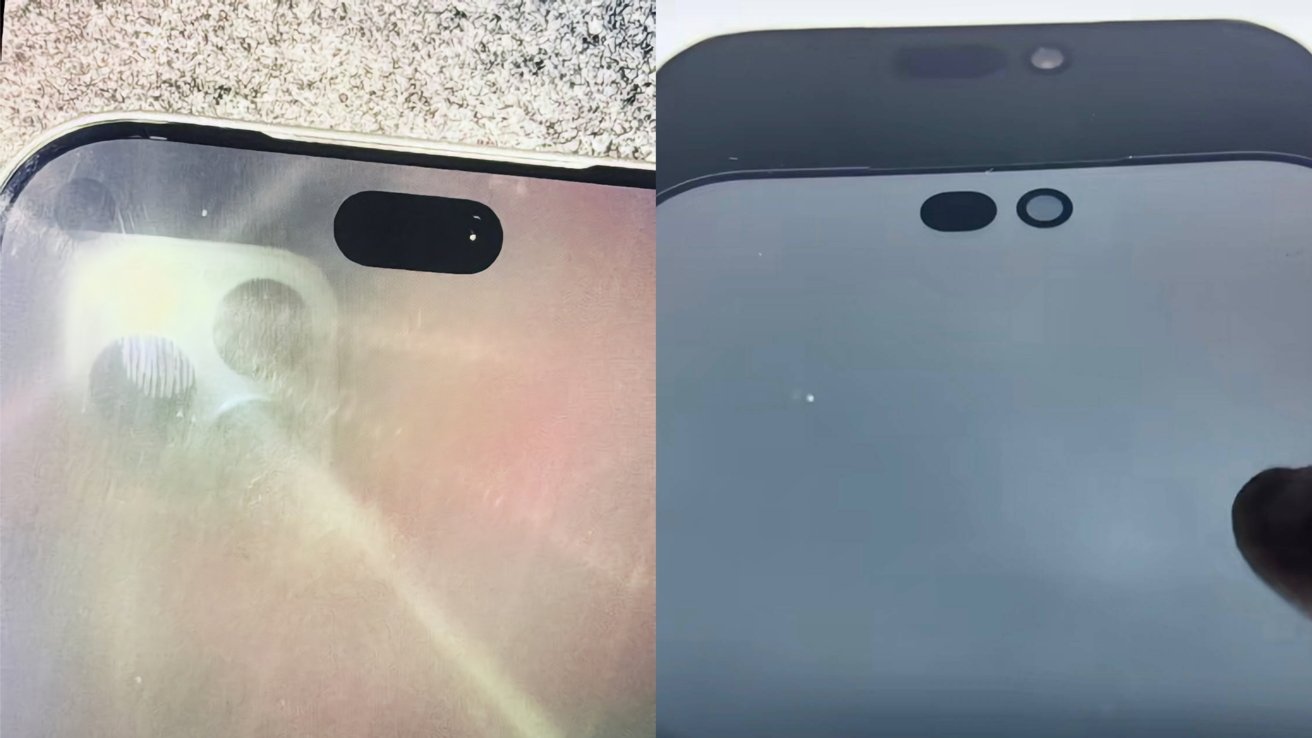
On September 9 at 10:00 a.m. Pacific Time, Apple will host its “Surprise and Shine” event where it’s poised to launch its 2026 iPhone lineup—this year including the company’s first foldable model. Expect fresh updates across its ecosystem: new Apple Watches, fresh AirPods, and potentially more surprises. The full rundown of expected announcements has been compiled into an event guide for those keeping tabs on every reveal.
New CEO, New Vision
This week also marked a major leadership shift. After 15 years at the helm, Tim Cook has stepped down as CEO. John Ternus, previously Apple’s hardware engineering chief, has been appointed as the new Chief Executive, while Cook transitions to an Executive Chair role. In his debut memo to the team, Ternus expressed gratitude for the warm reception, acknowledged Cook’s contributions, and teased a “huge launch” ahead at the September event that’s not centered solely on the iPhone.
Feature Sneaks, Hardware Moves, and Timing Tweaks
Software-wise, iOS 27 is set to introduce a feature called “iPhone Handoff,” which will allow a single phone number to be used across two iPhones. The primary eSIM will stay on the user’s main device, while a companion eSIM activates on the secondary unit. The number automatically routes to whichever device is unlocked. Activation depends on carrier support.
Meanwhile, the foldable iPhone—referred to as “iPhone Ultra”—may live up to expectations in more ways than one. Though earlier rumors suggested such thin designs might omit MagSafe charging, recent insights indicate MagSafe will indeed be included as a supported feature.
Pre-orders are getting special treatment this year due to the coincidence of the usual launch schedule overlapping with the 25th anniversary of 9/11. Traditionally, pre-orders begin at 5:00 a.m. Pacific Time on the Friday immediately following the event; this year they may instead kick off at midnight PT on Saturday, September 12.
On the Mac front, Apple announced new models of Mac mini and Mac Studio ahead of usual fall timing. These were fast-tracked in response to unexpectedly strong demand from enterprise buyers for AI-capable desktops. The surge—aided by shortages in global memory supply—has left many configurations out of stock, pushing Apple to prioritize performance improvements and ramped production.