Apple’s Foldable iPhone Ultra Faces Indefinite Delay Due to Hinge Complications
Apple’s venture into the foldable smartphone market has encountered a significant setback. Recent reports from the supply chain reveal that the company has indefinitely postponed the trial production of its much-anticipated foldable iPhone Ultra. This decision stems from substantial mechanical issues identified in the device’s hinge mechanism during internal testing.
Hinge Durability Concerns Halt Production Trials
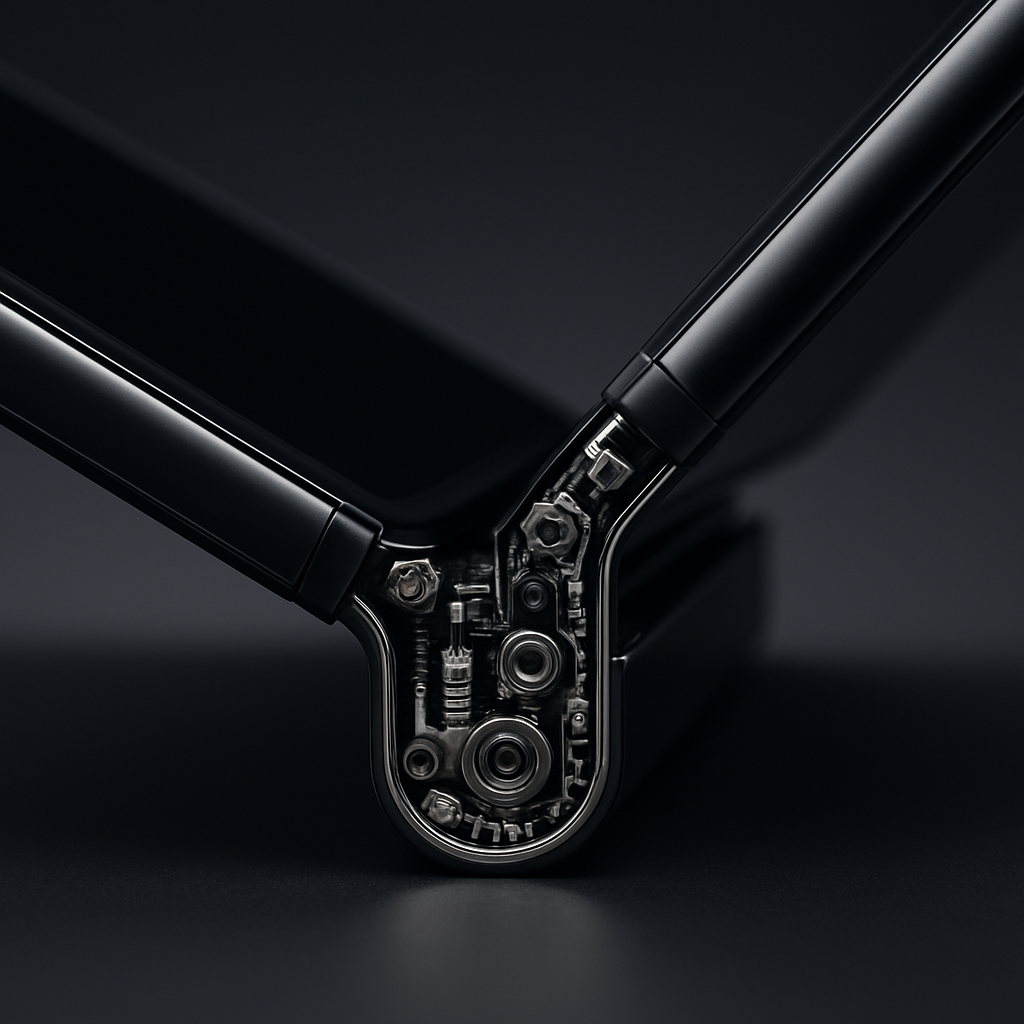
According to information shared by the leaker Instant Digital on Weibo, the iPhone Fold’s trial production has been halted due to the device’s failure in high-frequency folding tests. The mechanical hinge exhibited severe wear and tear after prolonged use, leading to noticeable rattling noises upon repeated opening and closing. These durability issues fall short of Apple’s stringent quality control standards, prompting the company to pause further development. It remains uncertain whether the problem lies within the hinge component itself or if Apple’s quality benchmarks are more rigorous compared to other manufacturers in the foldable phone market.
If these mechanical challenges are not addressed promptly, the launch of the foldable iPhone Ultra could be delayed to 2027 or beyond, missing the initially projected September release alongside the iPhone 18 Pro lineup. This potential postponement would provide Apple with additional time to refine the hardware design and ensure the device meets its high standards.
Progress in Crease-Free Display Technology
Despite the mechanical setbacks, there is a silver lining concerning the device’s display technology. Apple has reportedly overcome one of the most persistent challenges in the foldable smartphone industry: the visible crease on the screen. The internal display of the iPhone Ultra maintains a visually creaseless appearance even after extended use, a significant achievement considering that visible screen creases are common issues in competing devices like Samsung’s Galaxy Z Fold series.
This advancement suggests that Apple has prioritized delivering a seamless visual experience, which may explain the extended development timeline for its foldable model. However, while the display technology shows promise, Apple remains committed to addressing the mechanical flaws before proceeding to mass production. The company opts to delay the release rather than compromise on quality, focusing on resolving issues with the internal moving parts to ensure the entire hardware package meets its exacting standards.
Apple’s Cautious Approach in the Foldable Market
The foldable smartphone market continues to expand, with competitors like Samsung and Google introducing various models. Apple clearly aims to enter this growing segment but adopts a cautious approach to ensure its product stands out in terms of quality and durability. The success of Apple’s first foldable model hinges on the engineering team’s ability to resolve the mechanical issues identified during testing. Until these challenges are overcome, the foldable iPhone project remains on hold, reflecting Apple’s commitment to delivering a product that aligns with its reputation for excellence.