Apple has recently reduced the size of its internal teams working on virtual reality (VR), particularly within the Vision Products Group, signaling a slowdown in its spatial computing efforts. The company laid off unspecified numbers of staff dedicated to VR development, though sources confirm core work continues on both the Apple Vision Pro and early-stage smart glasses.([appleinsider.com](https://appleinsider.com/articles/26/08/20/layoffs-in-apples-vision-products-group-prove-slow-progress-in-spatial-computing/))
A Shift in Priorities: From Headsets to Smart Glasses
Introduced as a high-end device, the Vision Pro has always faced challenges: a steep price, hefty design, and relatively limited developer support. Despite Apple rolling out visionOS publicly and pushing updates, the Vision Pro hasn’t dramatically expanded its user base.([appleinsider.com](https://appleinsider.com/articles/26/08/20/layoffs-in-apples-vision-products-group-prove-slow-progress-in-spatial-computing/)) With rising component costs, Apple recently increased its price yet again—making the headset even less accessible to many potential customers.([appleinsider.com](https://appleinsider.com/articles/26/08/20/layoffs-in-apples-vision-products-group-prove-slow-progress-in-spatial-computing/))
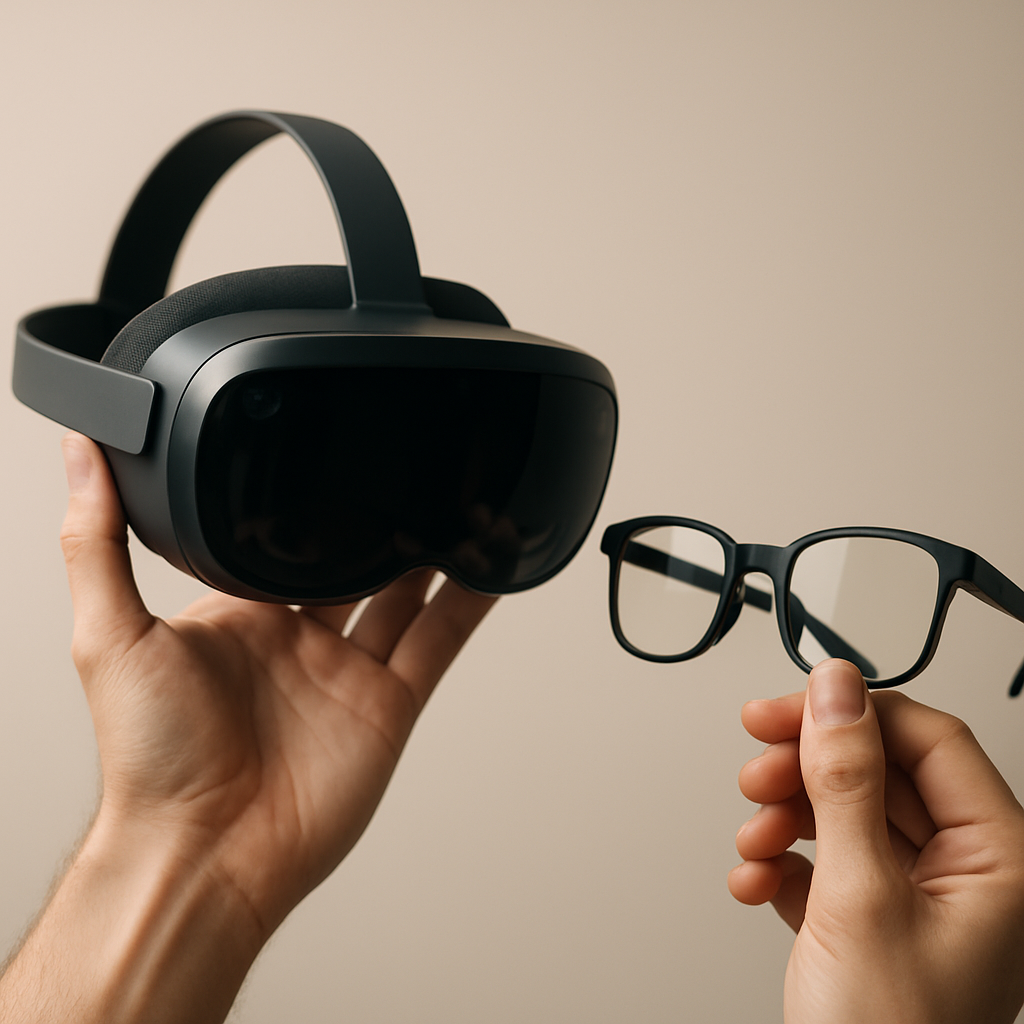
Much of the internal discourse reportedly favors smart glasses over full VR headsets. Apple is leaning toward hardware that’s lighter and more wearable, a transition that aligns with rumors of a product often called “Apple Glass.” The current leadership under incoming CEO John Ternus appears to support this pivot, placing VR-heavy devices “on ice” while emphasizing wearable AR tech and AI-powered interfaces.([appleinsider.com](https://appleinsider.com/articles/26/08/20/layoffs-in-apples-vision-products-group-prove-slow-progress-in-spatial-computing/))
Vision Pro’s Fate: Still Alive, But Tempered
Though the Vision Pro’s VR division has been slimmed down, its overall product line isn’t being abandoned. Apple continues to work on future iterations of the Vision Pro along with its wearable ambitions running visionOS.([appleinsider.com](https://appleinsider.com/articles/26/08/20/layoffs-in-apples-vision-products-group-prove-slow-progress-in-spatial-computing/)) The key changes instead are structural: trimming down the VR-focused teams and redirecting resources toward technologies that may be more feasible in the near term.([appleinsider.com](https://appleinsider.com/articles/26/08/20/layoffs-in-apples-vision-products-group-prove-slow-progress-in-spatial-computing/))
As the company approaches this transitional phase, one thing is clear: the category still requires significant advancements. Thinner, lighter, more affordable versions of immersive headset tech aren’t yet viable. Apple’s move suggests a strategic pause—adjusting priorities rather than walking away from long-term vision.([appleinsider.com](https://appleinsider.com/articles/26/08/20/layoffs-in-apples-vision-products-group-prove-slow-progress-in-spatial-computing/))
Analytical Takeaway: Apple’s recent layoffs and internal shifts around its Vision Products Group underscore a turning point in its spatial computing strategy. The company is clearly acknowledging that high-end headsets like the Vision Pro, while ambitious, may not deliver mainstream AR/VR experiences soon without serious compromises. Smart glasses and lightweight wearables are now front and center. For observers, the question to watch is how Apple balances breakthroughs in optics, battery tech, and affordability. Progress in those areas will likely determine whether Apple can lead — or follow — in the next wave of spatial computing.