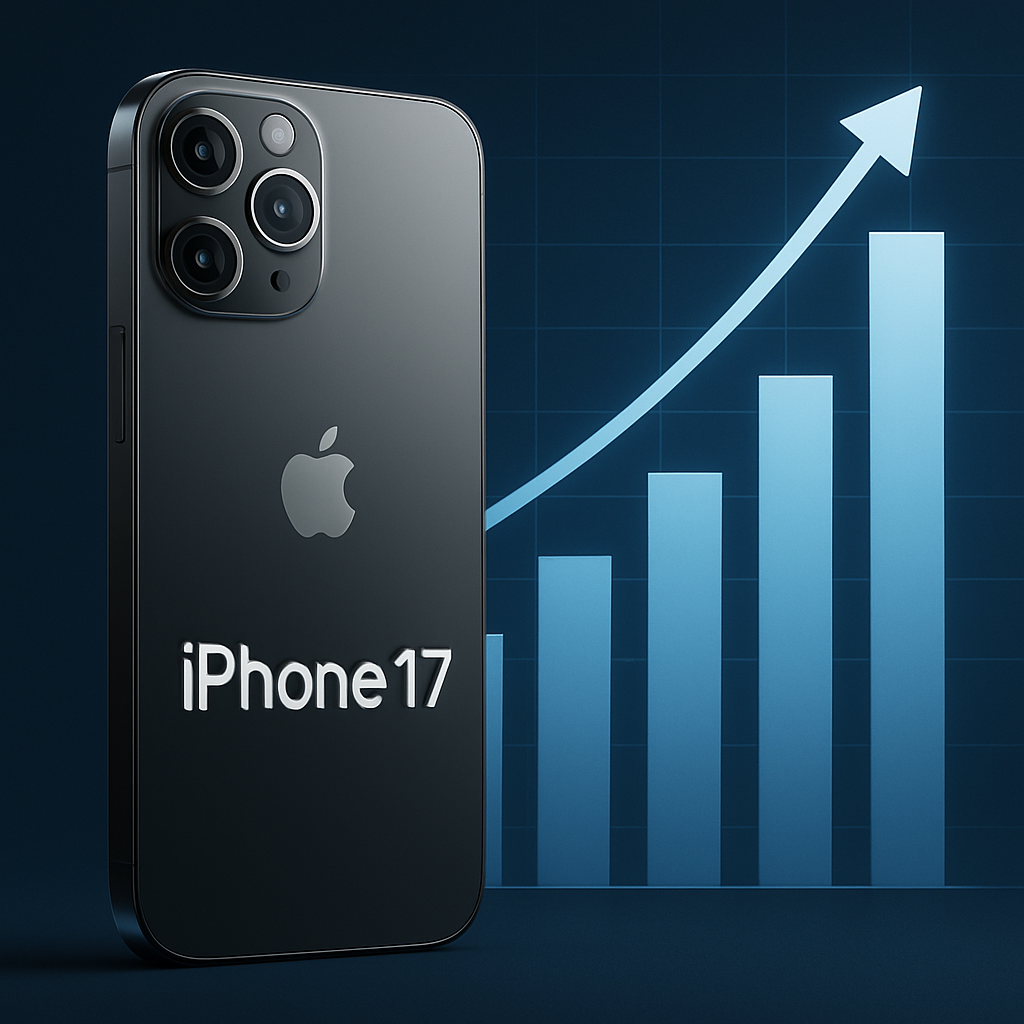
In the first half of 2026, premium smartphones—those priced at $600 and above—accounted for a record 29% of global smartphone sales, marking a four percentage point increase from the previous year. Within this segment, Apple secured a commanding 65% share, up from 63% in the same period of 2025, though slightly down from 74% in 2022. Samsung maintained its position with a 19% share, consistent with last year and an increase from 17% in 2022.
The surge in Apple’s premium market share is largely attributed to the robust performance of the iPhone 17 series, particularly the base model. This success has effectively reversed the decline experienced in the previous year, which was primarily due to intensified competition in the Chinese market.
Rising memory and component costs are reshaping smartphone pricing strategies, prompting manufacturers to accelerate the shift toward premium models. As mid-range Android smartphone prices increase, the price gap between these devices and premium smartphones, especially older or discounted flagship models, is narrowing. This trend makes flagship smartphones a more attractive upgrade option for consumers. To support this shift, manufacturers are expanding financing, trade-in, and buyback programs to enhance affordability. For instance, Samsung has extended its Galaxy Forever program to several markets to make flagship devices more accessible.
Brands are actively promoting premium smartphones through various initiatives, including trade-in offers, financing options, and buyback programs. This strategic focus on premiumization is expected to continue, driven by improved component procurement, consistent consumer demand, and enhanced financing options.
Apple’s dominance in the premium smartphone market underscores its ability to navigate industry challenges and adapt to evolving consumer preferences. The company’s success with the iPhone 17 series highlights the importance of innovation and strategic pricing in maintaining a competitive edge. As the market continues to evolve, it will be crucial for Apple to sustain this momentum by addressing emerging trends and consumer demands.