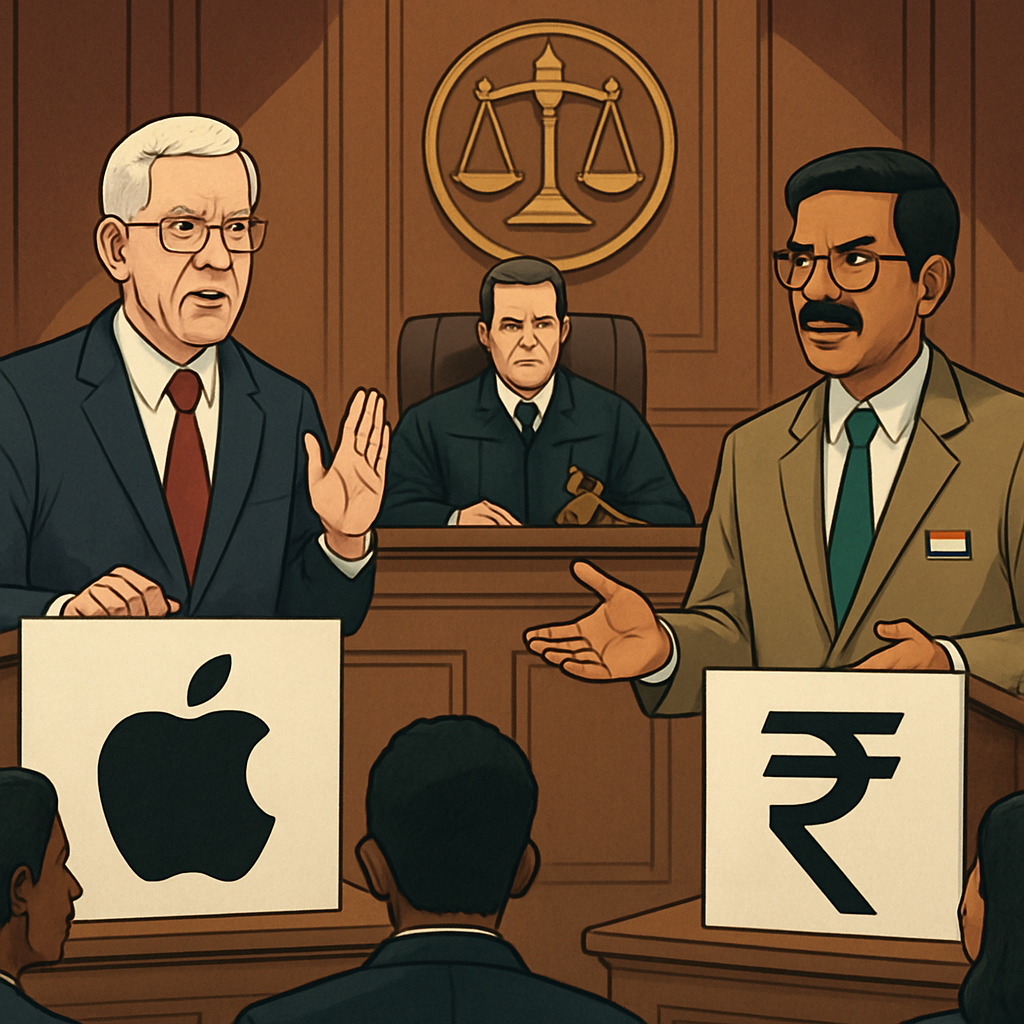
Apple has recently intensified its dispute with the Competition Commission of India (CCI), alleging that the antitrust body’s findings against the company are merely ‘copy-pasted’ from competitors’ claims without independent verification. This assertion was detailed in a submission dated June 25, 2026, where Apple contends that the CCI’s investigative process lacked thoroughness and impartiality.
The CCI initiated an investigation into Apple’s App Store practices in 2021, following complaints from entities such as Match Group, the owner of Tinder, and various Indian startups. The core of the allegations centers on Apple’s requirement for developers to use its proprietary in-app purchase system, which critics argue constitutes an abuse of market dominance.
In its defense, Apple emphasizes its relatively small footprint in India’s smartphone market, holding under a 6% share. The company argues that the CCI’s conclusions are heavily reliant on unverified claims from competitors like Match Group and local firms such as PhonePe and Paytm. Apple asserts that the investigative team failed to conduct an independent analysis, often echoing the allegations of these rivals without critical assessment.
Furthermore, Apple points out that the CCI’s investigators replicated a graphic on global consumer spending from a 2024 European Union ruling against the company, despite the differing market conditions in India. This, Apple argues, indicates a lack of contextual understanding and independent evaluation by the CCI.
Apple also highlights procedural concerns, noting that it was not afforded the opportunity to present oral evidence during the investigation—a courtesy extended to other companies like Google in similar probes. This omission, according to Apple, undermines the fairness and thoroughness of the investigative process.
In response to these grievances, Apple is seeking to have the CCI’s findings quashed, arguing that the investigation was flawed and biased. The company warns that enforced changes to its App Store policies could disrupt its integrated business model and create regulatory uncertainty, potentially deterring investment in India’s burgeoning digital economy.
It’s noteworthy that Apple has previously contested India’s antitrust penalty framework, which allows for fines based on a company’s global turnover. This could expose Apple to penalties up to $38 billion, a figure the company deems disproportionate and unjust.
This development underscores the ongoing tension between global tech giants and regulatory bodies in emerging markets. As India continues to assert its regulatory authority over digital platforms, the outcome of this dispute could set significant precedents for how multinational corporations operate within the country’s digital landscape.