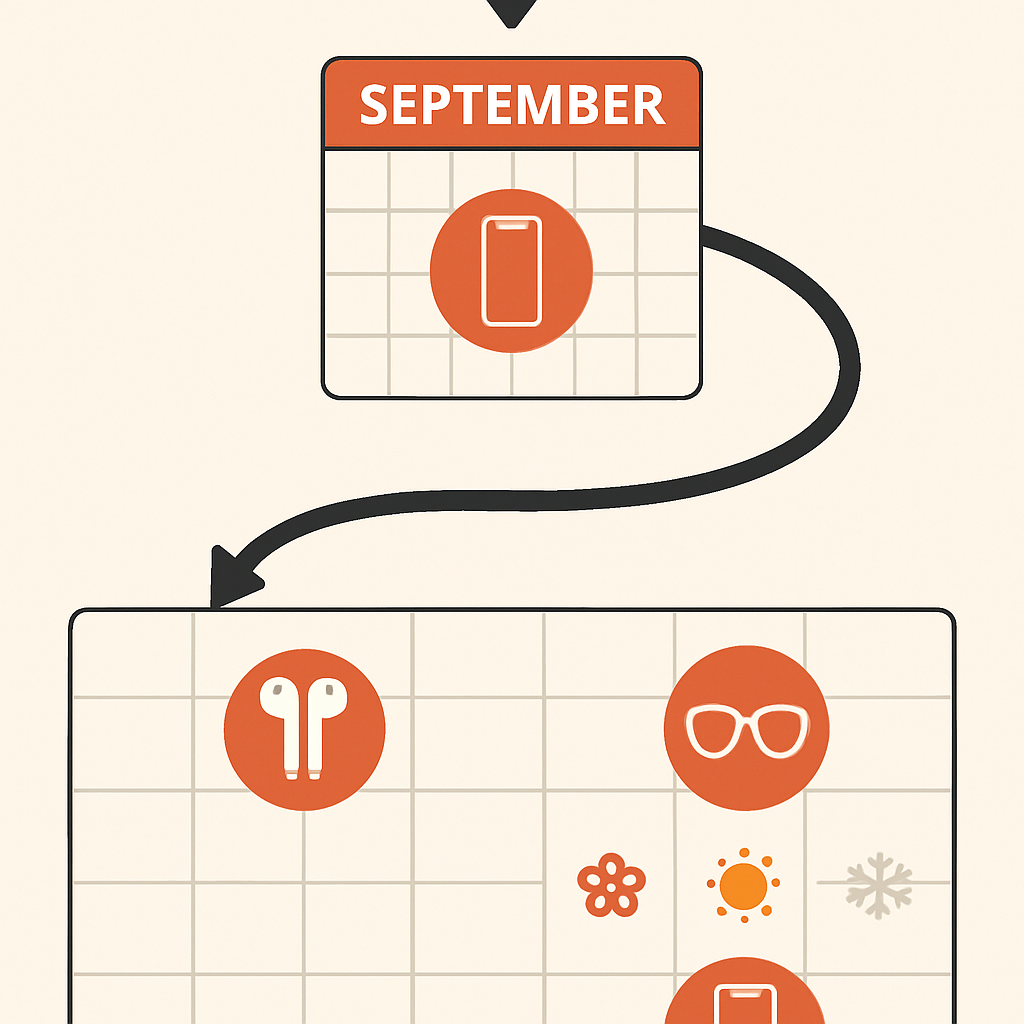
Barely weeks into his role, Apple CEO John Ternus is shifting the company’s approach to product launches. Instead of relying mainly on a few major events like those in spring and fall, he wants Apple to introduce new products more frequently throughout the year. The emphasis is on faster development and increased experimentation within the company.
While the traditional seasonal launch windows will remain important for now, Ternus is pushing for additional product unveilings at other times. The goal: move beyond predictable schedules and make Apple more flexible and responsive in its product cycles, especially given rising competition in areas like artificial intelligence.
Balancing Innovation with Existing Strengths
Part of this shift involves generating new sources of revenue. As growth in services starts to taper, Apple under Ternus is exploring new consumer products and ways to monetize its existing user base more aggressively. Among the possible launches on the horizon are AirPods with built-in camera features, the long-rumored Apple Glass, and a special edition iPhone marking the 20th anniversary of the device.
However, employees warn that transforming Apple’s deeply rooted launch and development rhythms won’t happen overnight. The company’s reliance on well-established event cycles and product roadmaps means modifying internal workflows, resource allocation, and project prioritization—a process likely to stretch over several years.
What It Means for Apple’s Strategy
In the short term, Apple is already trimming costs and discontinuing lower-priority projects, setting the stage for the newer, faster cadence Ternus envisions. Products going in novel directions—both in terms of design and function—appear to be centerpieces of the strategy, rather than incremental updates.
The more rapid cycle also reflects pressure from a tech landscape increasingly dominated by innovation curves in AI and related fields. To stay competitive, Apple seems ready to risk greater experimentation, even if that introduces growing pains.
Why this matters: this approach could change how Apple interacts with consumers and competitors. Launching more often means faster feedback, shorter development cycles, and possibly a more fragmented product calendar. For consumers, it may mean more variety and quicker feature rollouts; for rivals, it raises the bar for innovation velocity.
What to watch next: how swiftly internal changes happen, what new products actually emerge outside traditional seasons, and whether this new tempo allows Apple to retain its reputation for polish while scaling speed.