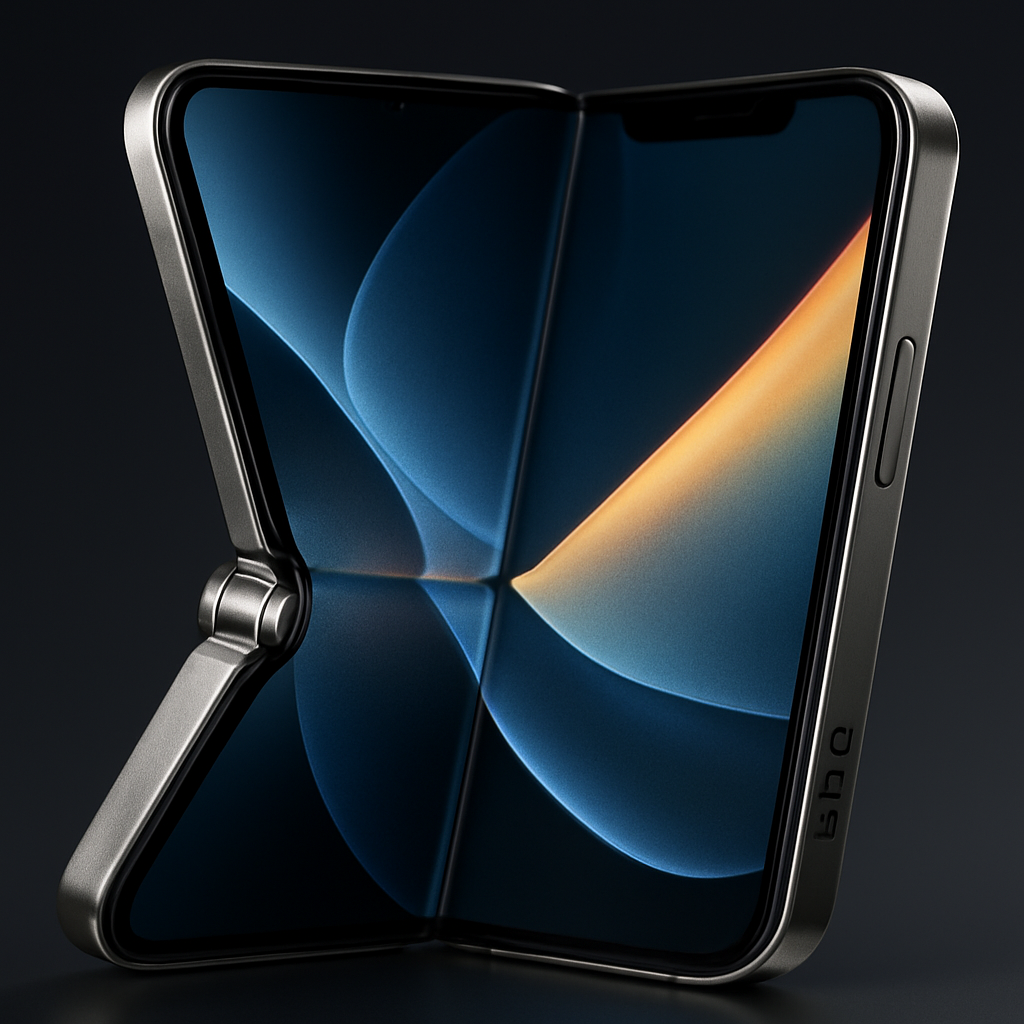
Apple is reportedly planning to produce between six and eight million units of its upcoming iPhone Duo by the end of 2026, but the company is facing notable challenges in scaling smoothly. Sources in a recent Chinese report offer insight into how production is progressing and where the roadblocks lie.
Production Struggles & Yield Issues
The iPhone Duo is currently under production, but its assembly yield is hovering just above 60%. Experts suggest that it could take six months or more for that rate to reach what Apple considers “mature”—a standard benchmark used for other flagship devices. The complexity of the foldable design and brand-new hardware configurations are factors behind the slow ramp-up.
Despite these obstacles, Apple is holding firm on quality. The company has not significantly relaxed its standards, which contributes to production slowdowns but also helps prevent defects—a critical consideration given the Duo’s premium specs and its steep price tag.
Target vs Typical Flagship Volume
With a planned output of six to eight million units, Apple expects the Duo’s initial shipment to be more modest than what it typically achieves with other Pro or Pro Max models. Recent flagship iPhones often hit volumes of 20 to 30 million units in similar time frames. Apple and its suppliers appear to believe that demand for the Duo won’t need to match those numbers—given its $1,999 price point and its status as a novel foldable smartphone.
This doesn’t necessarily mean limited ambition. If Apple manages to sell anywhere near the upper end of its forecast, the iPhone Duo could be considered a success for 2026. The company’s challenge will be turning early adopters’ interest into sustained momentum.
Launch Timing & Market Position
Pre-orders for the iPhone Duo open on October 16, pointing to a launch just weeks away. But the lower yield rates raise questions about potential inventory constraints at launch, which might create sell-through pressure and availability woes at retail.
The foldable category has historically been niche. With its unique dual-screen design and eye-watering price tag, the Duo isn’t clearly aimed at mass market dominance from day one. Instead, Apple may be counting on brand value, novelty, and strong margins to drive its early performance.
For consumers willing to spend nearly $2,000 on a cutting-edge device, flawless construction will matter.
Analytical angle: The strategy here is bold. With the iPhone Duo, Apple is betting big on premium folds while accepting production trade-offs early on. What to watch now: whether Apple can raise its yield rate in the months following launch, maintain stock levels to satisfy demand, and justify the high price through reliability and post-launch support. If those align, the Duo might shift from early adopter curiosity toward a broader foldable benchmark.