Apple’s Evolving Stance on AI Coding Apps: Replit’s Breakthrough Update
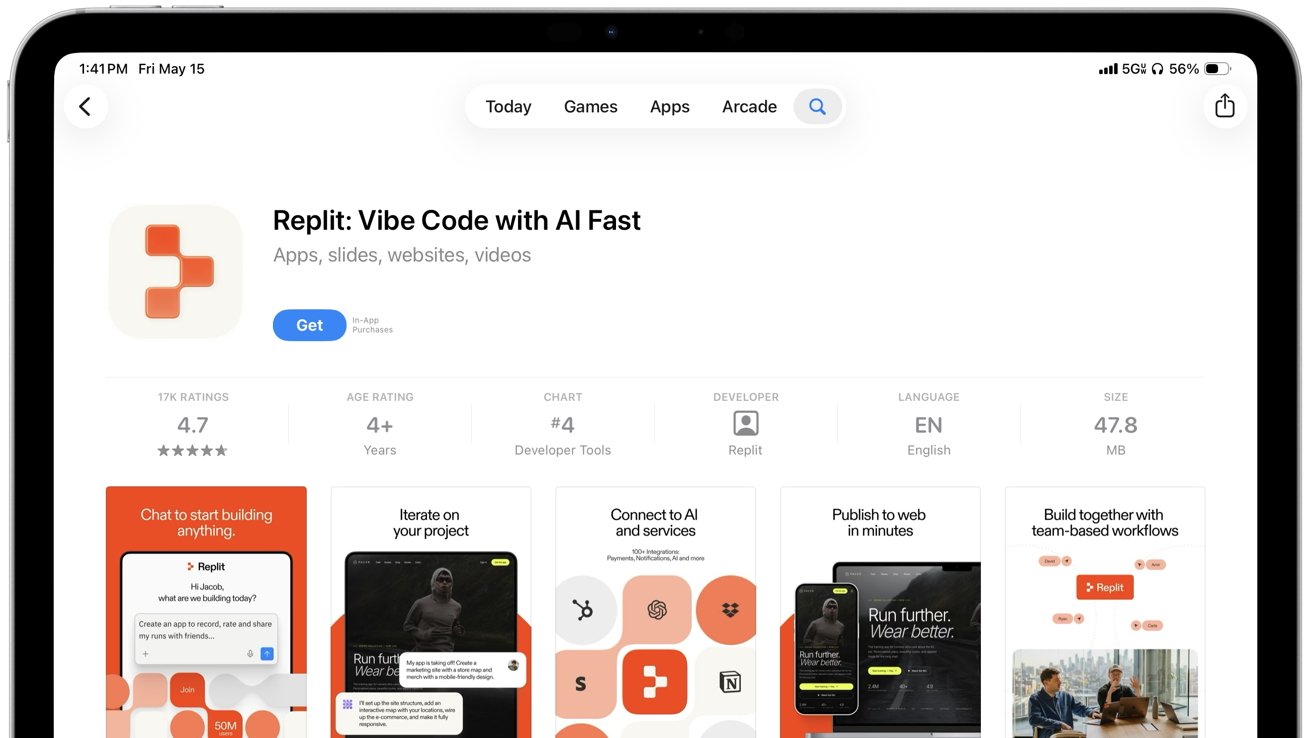
In a significant development for AI-driven coding applications, Replit has successfully navigated Apple’s stringent App Store policies, releasing its first iPhone app update in four months. This milestone suggests a potential shift in Apple’s approach to AI coding tools on iOS platforms.
Background: The App Store Dispute
The journey to this update began in March 2026 when Apple halted new versions of Replit’s app. The core issue revolved around Replit’s functionality, which allowed users to preview AI-generated applications directly on iPhones. Apple’s longstanding guidelines restrict apps from downloading and executing code that can alter their functionality post-review, aiming to maintain security and control over the App Store ecosystem.
Replit’s Resolution and New Features
On May 15, 2026, Replit’s CEO, Amjad Masad, announced that the company had worked things out with Apple, leading to the release of a significant app update. This update introduces Replit Agent 4 to mobile users, enhancing the app with support for parallel agents, team collaboration through merge flows, and improved project viewing across workspaces.
The Rise of ‘Vibe Coding’
Replit is at the forefront of the vibe coding movement, a paradigm where users describe desired software in plain language, and AI generates the corresponding code. While this approach has been embraced on desktop platforms, its extension to mobile devices like the iPhone presents unique challenges. The ability to create, test, and deploy applications directly from a mobile device raises questions about compliance with Apple’s App Store guidelines, which traditionally prohibit apps from changing functionality after approval.
Apple’s Balancing Act
Apple’s decision to approve Replit’s update indicates a nuanced approach to AI coding tools. While the company has not publicly detailed the specific changes that led to this approval, the move suggests a willingness to accommodate innovative development tools within certain parameters. This is particularly noteworthy as Apple continues to integrate AI-assisted development features into its own Xcode platform, reflecting a broader industry trend towards AI-enhanced coding environments.
Implications for Developers
The approval of Replit’s update may signal a more flexible stance from Apple regarding AI-driven development tools. However, developers should remain vigilant, as the boundaries of acceptable functionality within the App Store are continually evolving. The key takeaway is that while Apple appears open to AI coding applications, adherence to security and functionality guidelines remains paramount.
Looking Ahead
As AI agents become increasingly integral to software development, Apple’s policies will likely continue to adapt. The upcoming Worldwide Developers Conference (WWDC) in June 2026 is expected to shed more light on Apple’s strategy concerning AI in app development. For now, Replit’s successful update serves as a case study in navigating the complex interplay between innovation and regulatory compliance within the App Store ecosystem.