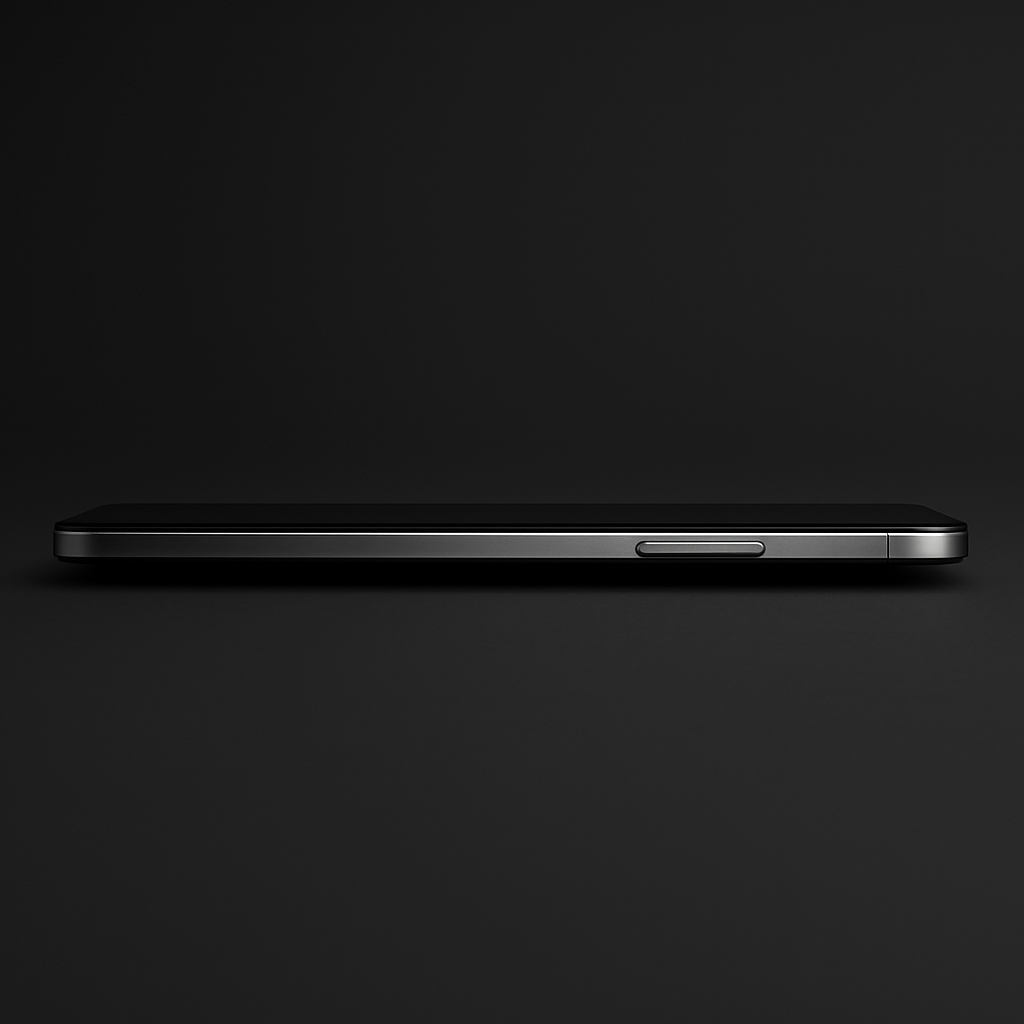
Apple’s next-generation ultra-thin iPhone model, tentatively named iPhone Air 2, is rumored to be even slimmer and more feature-rich than its 2025 predecessor. New leaks suggest the device will shed approximately 0.4mm of thickness while boosting battery capacity and improving the camera setup. If accurate, the design changes would make the iPhone Air 2 among the slimmest smartphones in Apple’s lineup.
Barely thinner but noticeably upgraded
The current iPhone Air, launched in 2025, measures 5.6mm thick. A Korean tipster “yeux1122” claims that its successor will measure around 5.2mm—about a 7% reduction. Despite that trim profile, the new model is also expected to house a larger battery, shifting from its current 3,149mAh to around 3,500mAh—a roughly 11% increase. Achieving a thinner device with a bigger battery will likely require significant internal redesigns and tighter packaging of components.
Camera and launch timeline rumors
One major shortcoming of the current iPhone Air is its single Wide rear lens, especially when compared to the more affordable iPhone 17. Rumors suggest the iPhone Air 2 will add an Ultra Wide sensor to broaden its photography capabilities. As for release, sources point to a launch in the first half of 2027, likely alongside the standard iPhone 18 and a more affordable iPhone 18e model.
Thickness benchmark with the iPhone Duo
If the 5.2mm thickness rumor holds, the iPhone Air 2 would match the unfolded thickness of Apple’s latest foldable, the iPhone Duo. That device currently sets a benchmark for compact, yet capable form-factors. Achieving the Air 2’s design goals—thinner body, larger battery, additional camera—without compromising durability or performance represents a formidable engineering challenge.
This isn’t just a refinement—it signals Apple’s ongoing move to balance sleek design and practical upgrades. The iPhone Air’s blend of ultra-thin form-factor was its standout feature, but certain compromises—battery life and camera versatility—still held it back. By pairing slimmer dimensions with stronger hardware, Apple could address both major criticisms.
Strategically, the Air 2 launch comes at a time when consumers increasingly expect flagship-level features even in mid-tier models. Thinner phones are eye-catching, but they must also deliver on battery life and imaging to truly impress. For Apple, maintaining structural integrity, heat management, and photographic quality in a leaner package will be key hurdles. As production ramps up, leaks will continue—what to watch: real-world battery endurance tests, camera sample quality, and whether trade-offs like frame rigidity or repairability emerge in the final product.