Apple is fast-tracking a massive redesign of its retail stores, refocusing on Genius Bars, revamped pickup areas, and simpler store fronts—leaning away from large video walls toward more functional, customer-centric layouts.
What’s changing inside Apple Stores
Three core parts of the store footprint are getting a major refresh. First, the “Avenue” zones—accessories and services areas flanking the main store space—will now include a dedicated wood-built pickup bay and a “Today at Apple” session corner. Each will occupy its own 10-foot bay. Expectations are for a wooden setup, with secure drawers for order storage, upper Apple branding panels, and a service table for staff to process hand-offs.
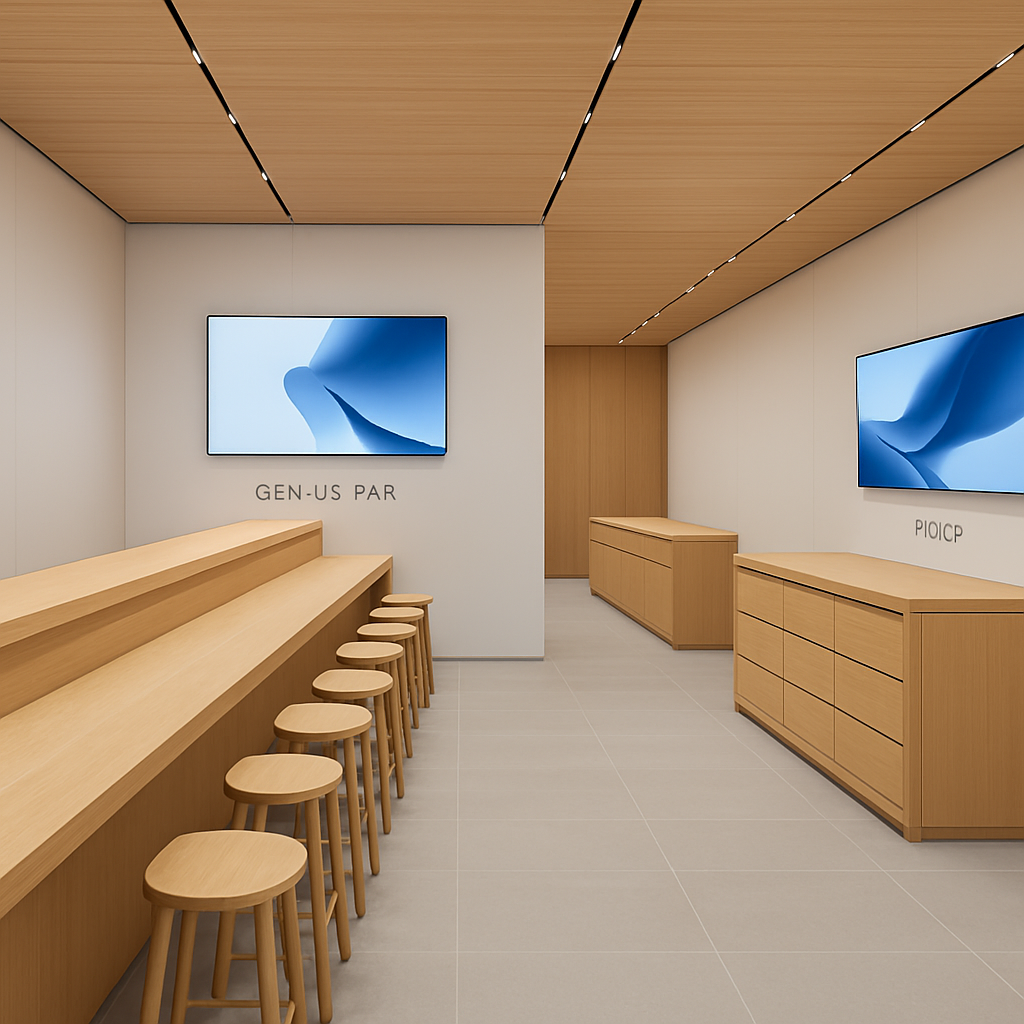
The Genius Bar portion is getting a makeover too. Apple plans to remove many of its large video walls—which currently dominate storefronts with marketing content and Today at Apple sessions—and replace them with stretch of wooden Genius Bars. These counters will include dual heights for accessibility, storage cabinetry behind them, and large product posters instead of screens.
Operations, environment, and rollout
Store staff will see updates beyond the public areas: new break rooms and back-of-house spaces are part of the plan. The company is also tightening front-of-store rituals: morning meetings will now be device- and drink-free, with employees standing throughout. Additionally, each new day will start with staff applauding the first customers walking in.
Some stores have already trialed these design revisions abroad and at locations like the Tysons Corner Apple Store—2023’s remodel there is being held up as a model for what’s coming. Over the next few years, Apple intends to apply the designs globally, accelerating what was already an ongoing store refresh effort.
Strategic priorities are shifting too: fewer new locations, more renovations. Instead of aggressively expanding to new retail spaces, Apple is choosing to update existing stores into this newer “standard” more quickly.
This refreshed layout comes amid other changes, including earlier rumors that store redesigns would highlight smart home devices—though those product launches didn’t happen in the recent September event.
What this means: The move signals that Apple sees physical stores not just as sales channels, but brand showcases and service hubs. The emphasis on in-store experience—accessibility, handoffs, knowledge-sharing—and less on flashy visuals suggests a more utility-first approach.
Analysis: Apple’s accelerated store overhaul reflects changing expectations for retail. In-person service, convenience and clarity now outrank immersive aesthetics in importance. As Apple begins implementing these changes globally, watch how customers—especially those used to video walls—receive the experience. And expect staff training, store layouts, and inventory workflows to become critical differentiators in what Apple considers its “standard” retail identity.