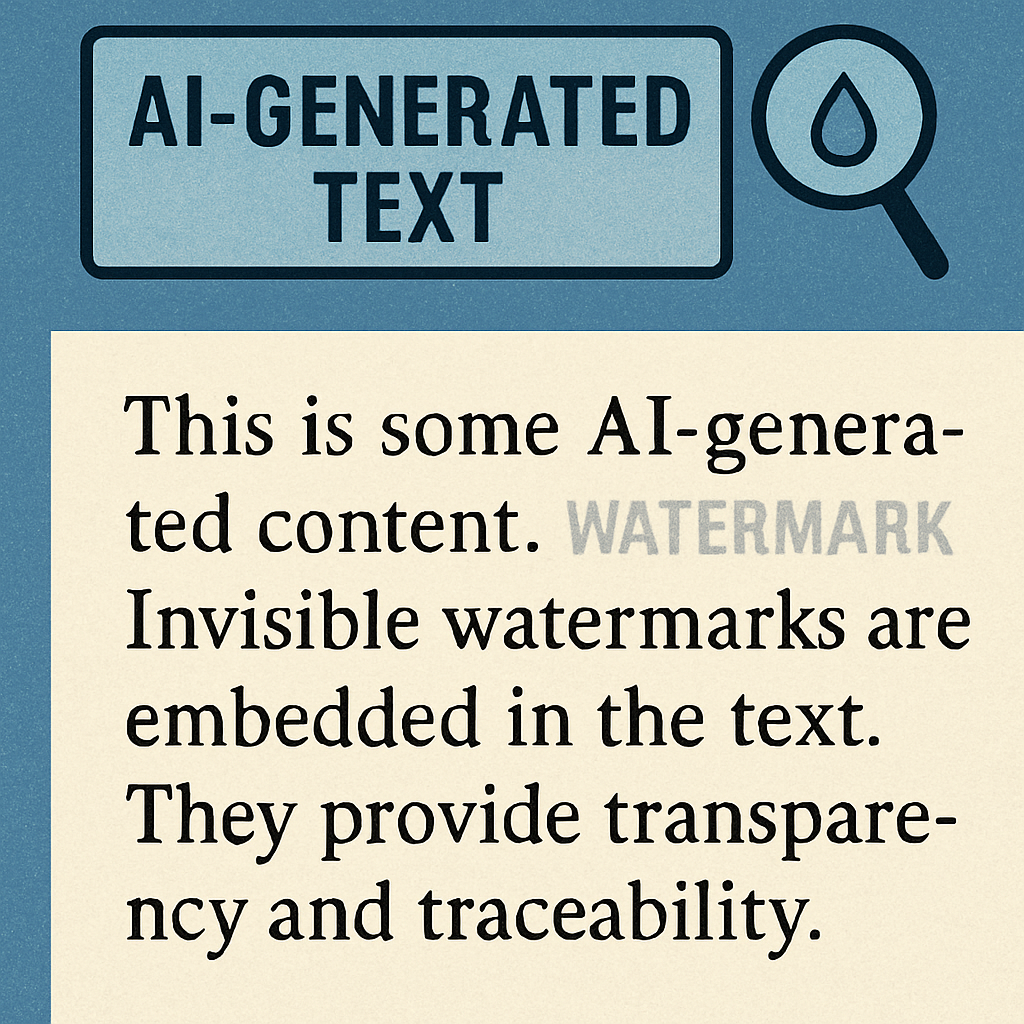
Anthropic, a leading artificial intelligence company, has announced plans to embed invisible watermarks into the text produced by its AI models, including Claude. This initiative aims to comply with the European Union’s AI Act’s Transparency Code, which mandates that AI-generated or edited content be identifiable by other systems.
Effective from August 2, 2026, all new models released by Anthropic will automatically incorporate this watermarking technology. The company has also committed to extending this feature to its existing models. The watermark is designed to persist even when the text is copied, pasted, or subjected to minor edits, ensuring the origin of the content remains traceable.
Anthropic’s watermarking will be applied at the model level, encompassing various products such as the Claude platform API, Claude Code, Claude Cowork, and Claude Tag. For files generated by these models, the company will utilize the C2PA open standard to embed the watermark.
While the watermark is intended to be imperceptible to users and not affect the quality or readability of the text, the effectiveness of this approach in preventing misuse remains to be seen. Simple rephrasing or extensive editing could potentially obscure the watermark, raising questions about its robustness.
This move by Anthropic reflects a broader industry trend towards enhancing transparency and accountability in AI-generated content. Other companies, including OpenAI, have announced similar measures to comply with regulatory requirements and address concerns about misinformation and ethical use of AI technologies.
As AI-generated content becomes increasingly prevalent, the implementation of watermarking technologies is a significant step towards ensuring transparency and traceability. However, the effectiveness of these measures will depend on their resilience to content manipulation and the development of reliable detection tools. Ongoing collaboration between AI developers, regulators, and the broader community will be essential to address these challenges and uphold the integrity of digital content.