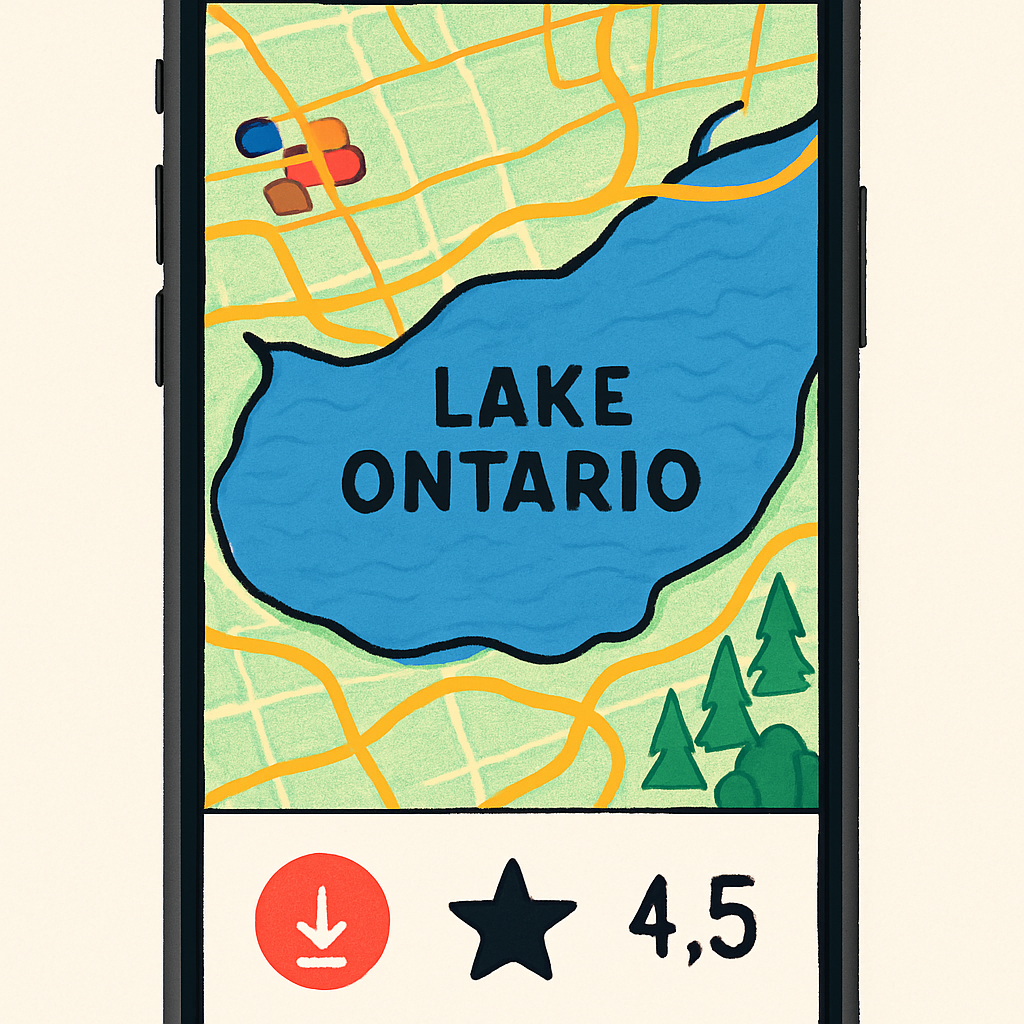
MapQuest now leads the free iPhone app charts in Canada after it refused to rename “Lake Ontario” to “Lake America” per a recent U.S. executive order. The decision has fueled a surge in downloads, propelling the app’s popularity both north and south of the border.
As of Monday, August 31, 2026, MapQuest holds the top spot in Canada and ranks fourth among free iPhone apps in the U.S. charts. The spike followed its public defiance of the order, which demanded that map services globally make the geographic name change. Apple has yet to implement “Lake America” in its maps, while Google Maps has already done so for users in the U.S.
Why It Matters
MapQuest’s name has been largely absent from modern navigation conversations—once a dominant online directions service before the smartphone era. Recently, however, the company announced that its app saw usage jump approximately 50× and hundreds of thousands of downloads since Thursday, August 27. This meteoric rise stems directly from what it sees as an act of principle: maintaining well-known geographic names despite political pressure.
The company’s stance is reminiscent of earlier pushback against similar directives—MapQuest previously resisted changing “Gulf of Mexico” under another controversial mandate. Its general manager emphasized that a strong signal came from users, voting with their downloads and aligning with MapQuest’s choice to preserve familiar place names.
Meanwhile, the U.S. executive order has already caused splits among platforms—Google Maps users in America see “Lake America,” while Apple has held off. The order appears to demand compliance, but MapQuest and others are pushing back effectively via public opinion and market behavior.
Broader Implications
This clash between executive authority over place naming and private platform policy raises urgent questions. Can political directives that touch on cultural and historic geography withstand resistance from platforms that value user trust and established norms? How do companies navigate legal pressure while maintaining credibility?
MapQuest’s brief dominance on the charts indicates that many users value consistency in geographic names—or at least see this as a moment to take a stand. Regardless of whether the app retains its top slots, it’s clear that naming conventions have become a tricky domain where politics, tech, and user sentiment intersect in powerful ways.
What this means: expect ongoing scrutiny of how map providers implement—or resist—naming changes backed by political authority. With Apple silent so far and MapQuest meeting demand head-on, this episode may mark a turning point in how tech companies balance regulatory demands with user community expectations.