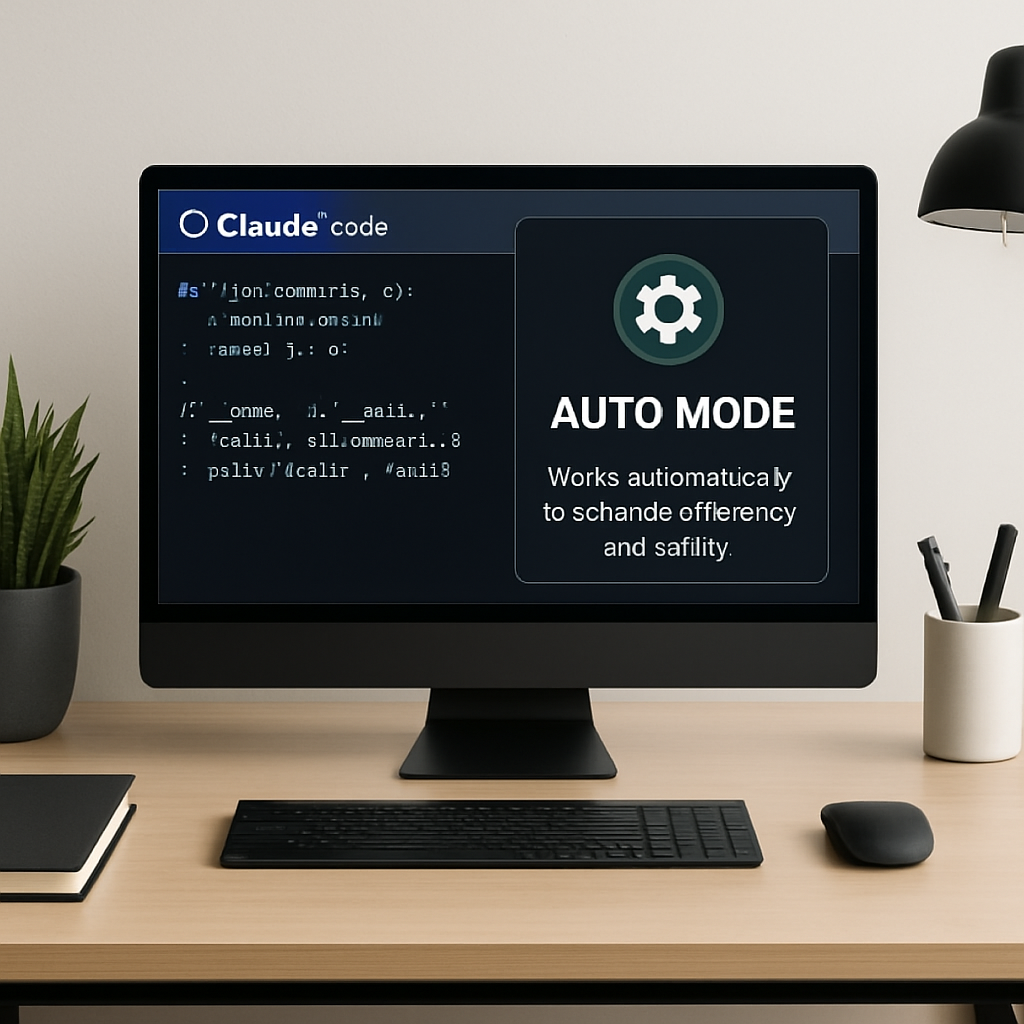
Anthropic is set to make a significant change to its AI coding assistant, Claude Code, by enabling the ‘auto mode’ feature as the default setting for Pro, Max, and Team accounts starting August 14. This adjustment aims to streamline the coding process by reducing the need for constant human intervention.
Introduced in March, auto mode allows Claude Code to execute actions autonomously, seeking human approval only when an action is deemed ‘irreversible, destructive, or aimed outside your environment.’ This approach is designed to balance operational speed with necessary control measures.
In a recent announcement, Anthropic highlighted the effectiveness of auto mode in enhancing safety. A study involving 1,053 paid testers revealed that auto mode successfully identified 89% of harmful actions, a significant improvement over the 13.6% detection rate achieved through manual review. The study also noted that users tend to approve 97% of permission prompts in manual mode, indicating a potential oversight in human reviews.
Boris Cherny, Head of Claude Code, expressed strong support for auto mode, stating that he and his team have been using it exclusively for several months and find it indispensable.
To further bolster security, Anthropic has integrated new features into Claude Code, including prompt injection screening and customizable hard deny rules. These additions are designed to prevent unauthorized data exfiltration and other security breaches.
By defaulting to auto mode, Anthropic is addressing the challenge of balancing efficiency with security in AI-assisted coding. This move reflects a broader industry trend towards increasing autonomy in AI tools, aiming to enhance productivity while maintaining robust safety protocols. Users should monitor how this change impacts their workflows and remain vigilant about the security measures in place.