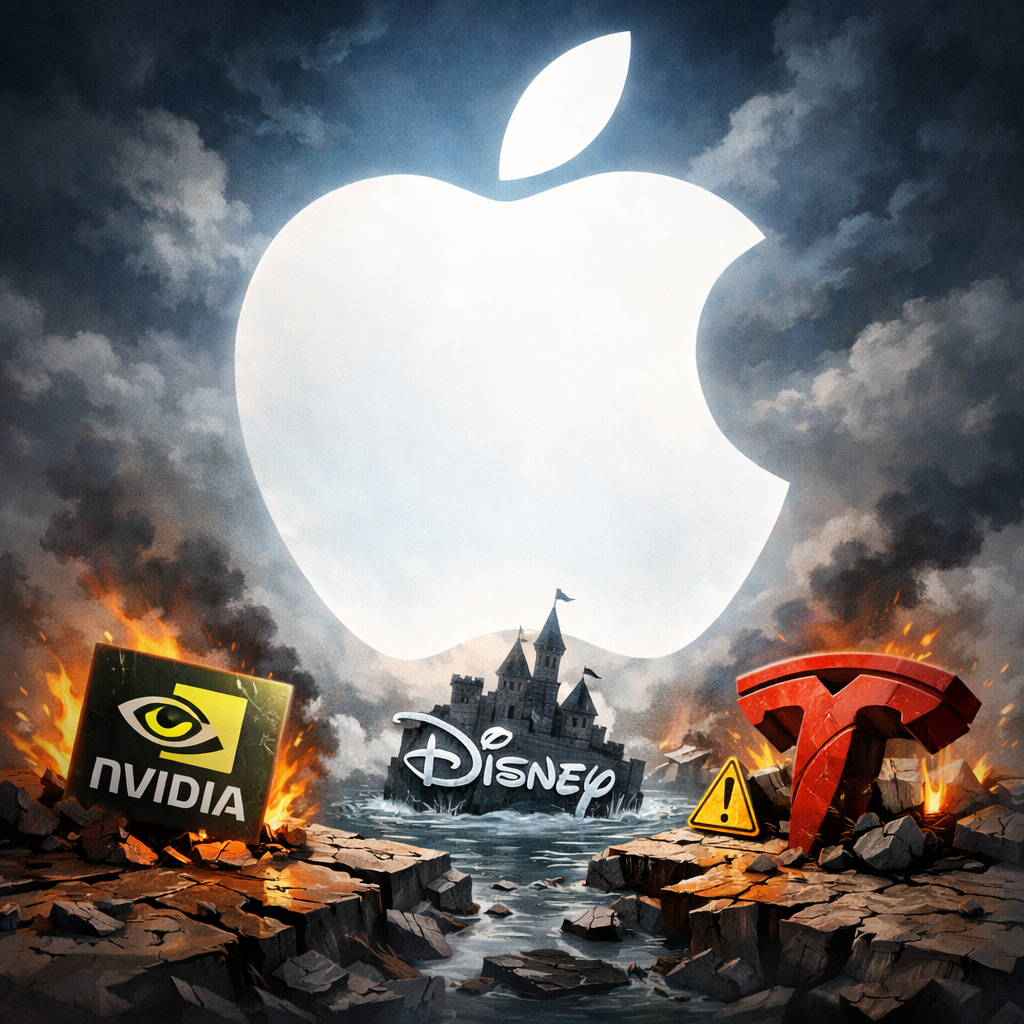
When Nvidia’s leadership was shaken abruptly earlier this week—amidst reports of CEO Jensen Huang’s removal—many industry analysts were quick to propose that Apple, or at least one of its senior executives, could be the fix. Among the names floated was Johny Srouji, Apple’s head of hardware technologies, allegedly being considered as Huang’s successor. But this scenario fits a familiar pattern: when public or media eyes scramble for a rescue plan, Apple always surfaces as the ultimate safety net—whether for Nvidia, Tesla, Disney, or any other struggling giant.
Why Apple Is Always Seen As the Saviour
There’s a reason Apple is such a recurring answer whenever companies falter. It continues to be the world’s most valuable company, with enough financial muscle to snap up nearly any struggling firm—on paper at least. It’s also built a reputation for avoiding the kind of catastrophic missteps that drag many tech players into crisis. So when firms fail, the “Apple could save them” narrative is both comforting and convenient.
Outages or misgovernance aside, Apple’s brand rarely takes big public hits. That stability means it’s often the first name people think of—be it in calls for rescue, leadership shake-ups, or surprise acquisitions—even when there’s little evidence Apple would ever accept any of those roles.
Rumours, Reality, and a History of Skepticism
When Huang’s exit from Nvidia was confirmed, reports quick to circulate claimed Srouji was being eyed to take over—though it was never clear whether he’d been asked. Similarly, at other companies, former Apple employees have become high-profile figures in startups, only for things to go sideways. OpenAI, Humane, even when big names like Jony Ive rejoin innovation ventures, the results are often mixed.
And then there’s the idea of acquisition. Yes, Apple has acquired hundreds of companies over time and still might pursue large-scale AI deals. But buying Disney? Elon Musk’s Tesla? Despite the rumor mill’s churn, Apple hasn’t moved. When it needs a company, negotiations tend to be tough and strategic, not done out of goodwill or panic.
Calls for Apple’s intervention aren’t new. Back in 2009, when Twitter was viewed as on the ropes, pundits said Apple should buy it. In 2013, speculation flew that Apple offered $240 per share for Tesla. Both ideas made headlines. Neither happened. Apple has repeatedly declined similar “saviors-only” roles.
What It Means If Apple Decides to Play Savior
For companies under pressure, the idea of Apple stepping in makes a tidy storyline. It suggests stability, strategy, and success. But it’s mostly a fantasy. Apple is unlikely to acquire firms that don’t align with its long-term vision, just because they’re distressed. It also doesn’t parachute its executives into competing companies en masse.
Still, analysts seem to expect the same plot to recur. There might be rumors about Apple making big AI acquisitions—or about it hiring star executives from other companies. But the track record suggests that very few, if any, of these rumors result in actual deals or personnel moves.
The bottom line: expect more speculation—about Apple rescuing OpenAI next, or someone like Tim Cook stepping into another CEO role. But in all likelihood, it won’t happen.
Analysis: This recurring narrative—that Apple is always the one entity capable of saving faltering tech players—reflects both the company’s financial heft and the perception of its strategic competence. But it also reveals a sort of myth-making around Apple: the idea that strong leadership, huge cash reserves, or premium branding automatically translate into savior status. In practice, acquisitions happen when vision, synergy, and payoff align—not mere opportunity or crisis. The rumor mill may never shut off, yet Apple’s cautious approach means it will seldom take on the role the world expects.