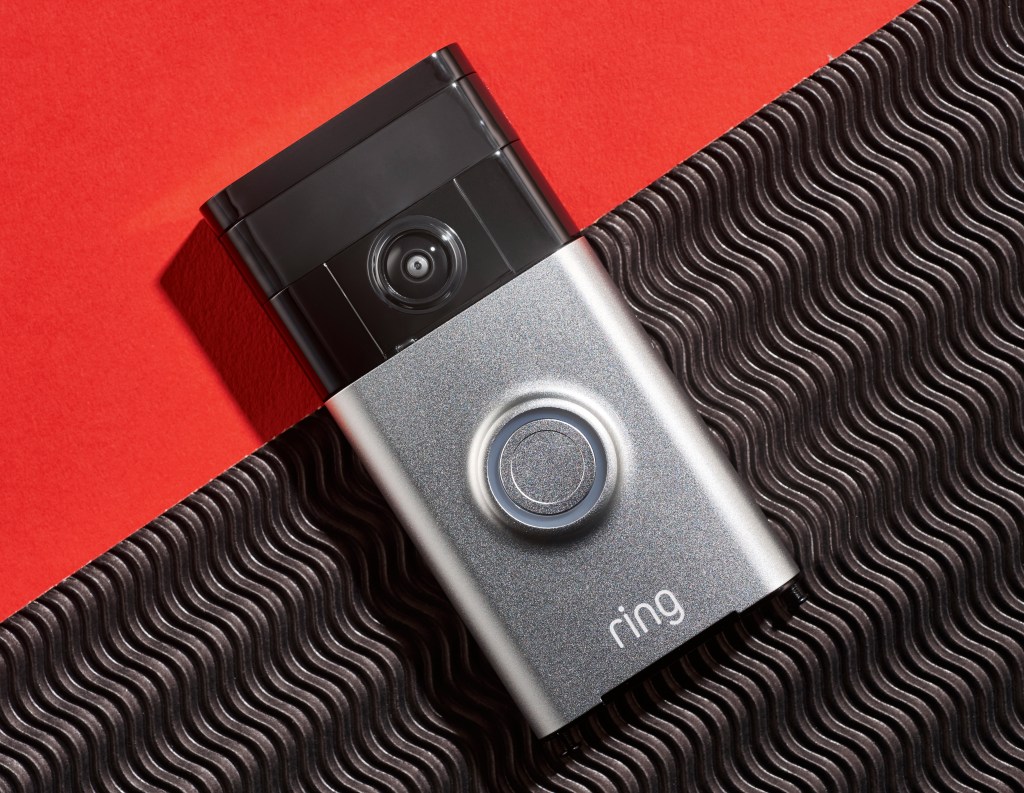
Amazon’s Ring Faces Class Action Lawsuit Over Facial Recognition Practices
Amazon is currently embroiled in a class action lawsuit concerning its Ring doorbell cameras’ facial recognition capabilities. The lawsuit, filed on June 2, 2026, in Seattle by Virginia resident Charles Sigwalt, alleges that Ring’s Familiar Faces feature captures and stores images of individuals without their consent, raising significant privacy concerns.
Background on the Familiar Faces Feature
Introduced in December 2025, the Familiar Faces feature employs artificial intelligence to identify and remember individuals who frequently visit a Ring-equipped property. This functionality enables the system to provide personalized notifications, such as Dad is at the door, instead of generic alerts like A person is at the door. While users must opt-in to activate this feature, the lawsuit contends that passersby have not consented to having their facial data collected and stored.
Details of the Lawsuit
The complaint asserts that millions of other Americans passed by a Ring security camera and unknowingly had their facial recognition information collected. Sigwalt is seeking class-action status and at least $5 million in damages on behalf of affected individuals. The lawsuit emphasizes that individuals who had their facial images stored did not consent to have their privacy rights violated at the entryway.
Amazon’s Response and Privacy Measures
At the time of the feature’s release, Amazon stated that facial data is encrypted and never shared; unidentified faces are automatically removed after 30 days. However, the company has not yet responded to the recent lawsuit. This legal action adds to a series of privacy-related challenges Amazon has faced concerning its Ring products.
Previous Privacy Concerns and Legal Actions
In 2023, Amazon settled with the Federal Trade Commission (FTC) and paid a $5.8 million fine over allegations that the company’s staff and contractors had improperly accessed private videos from customers. The FTC’s complaint indicated that every employee had full access to every customer video, even if the worker had no need to access that footage. Additionally, Ring has maintained relationships with law enforcement and once granted police the ability to request Ring footage from users without a warrant.
Implications for Consumer Privacy
This lawsuit underscores the ongoing debate over the balance between technological innovation and individual privacy rights. As smart home devices become more prevalent, the methods by which companies collect, store, and utilize personal data are increasingly scrutinized. The outcome of this case could have significant implications for the deployment of AI-powered surveillance features in consumer technology.
Conclusion
Amazon’s Ring doorbell cameras, particularly the Familiar Faces feature, are at the center of a legal battle that highlights critical privacy issues in the era of smart home technology. The resolution of this lawsuit may set a precedent for how companies implement and manage facial recognition technologies, emphasizing the need for transparency and consent in data collection practices.