GM’s $900 Million Bet on Affordable EVs: Inside the New Battery Cell Development Center
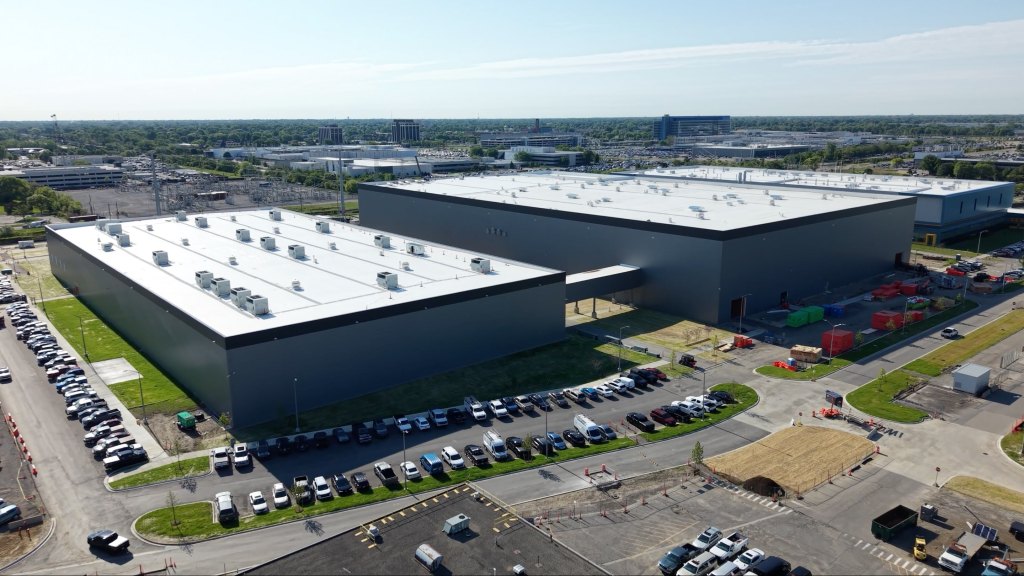
General Motors (GM) is making a significant investment in the future of electric vehicles (EVs) with a $900 million initiative aimed at reducing production costs and enhancing battery technology. Central to this effort is the establishment of the Battery Cell Development Center at GM’s Warren Technical Center near Detroit. This facility is designed to bridge the gap between research and development and full-scale production, accelerating the deployment of advanced battery technologies.
The Role of the Battery Cell Development Center
The Battery Cell Development Center is a 500,000-square-foot facility comprising two buildings. Its primary function is to serve as a conduit between GM’s R&D efforts and mass production, enabling the company to bring new battery technologies to market more swiftly. This center is pivotal in GM’s strategy to develop and implement lithium-manganese-rich (LMR) battery chemistry, which promises to deliver high energy density at a lower cost compared to traditional nickel-manganese-cobalt (NMC) batteries.
Advantages of LMR Battery Chemistry
LMR batteries are engineered to maintain substantial driving ranges while significantly reducing production costs. For example, the Chevrolet Silverado EV, which currently utilizes NMC batteries to achieve a range of over 400 miles, could see a cost reduction of approximately $6,000 with the adoption of LMR technology. This cost efficiency is achieved by decreasing the reliance on expensive and scarce materials like nickel and cobalt, which are predominantly sourced from outside the United States.
GM’s Commitment to Battery Innovation
Under the leadership of Kurt Kelty, Vice President of Battery and Sustainability, GM is prioritizing the development of LMR batteries. Kelty, who previously led battery technology at Tesla, has been instrumental in advancing this initiative since joining GM. He emphasizes that LMR technology is set to become the company’s primary product line, underscoring its importance in GM’s EV strategy.
Addressing Industry Challenges
The EV industry has faced several challenges, including supply chain disruptions and fluctuating material costs. In response, GM has made strategic decisions to realign its production capacity and workforce. In late 2025, the company announced layoffs affecting thousands of workers across its EV and battery manufacturing plants. These measures are part of a broader effort to streamline operations and focus on cost-effective battery solutions.
Strategic Partnerships and Investments
To bolster its battery technology capabilities, GM has engaged in several strategic partnerships and investments:
– Forge Nano Collaboration: In October 2024, GM invested $10 million in Forge Nano, a materials science startup. This partnership aims to enhance battery performance and longevity through advanced coating technologies.
– Mitra Chem Partnership: In August 2023, GM led a $60 million Series B funding round for Mitra Chem, a startup focused on developing affordable EV batteries. This collaboration aligns with GM’s goal of building a U.S.-centric battery supply chain.
– Soelect Investment: In February 2022, GM Ventures invested in Soelect, a startup specializing in fast-charging battery technologies. This investment supports GM’s objective of producing batteries with higher energy density and reduced costs.
Recycling and Sustainability Efforts
GM is also committed to sustainability through battery recycling initiatives. In September 2022, the company partnered with Lithion Recycling to create a circular ecosystem for recycling EV batteries. Additionally, in July 2025, GM collaborated with Redwood Materials to repurpose EV batteries for stationary energy storage, demonstrating a commitment to environmental responsibility.
Charging Infrastructure Expansion
Recognizing the importance of charging infrastructure in promoting EV adoption, GM announced in October 2021 an investment of nearly $750 million through 2025. This funding is intended to expand access to public, home, and workplace chargers, addressing a common concern among potential EV buyers.
Future Outlook
Despite industry challenges, GM remains optimistic about the profitability of its EV portfolio. The company projects that by 2025, its EVs will achieve profit margins comparable to those of internal combustion engine vehicles. This confidence is bolstered by strategic investments in battery technology, supply chain management, and infrastructure development.
Conclusion
GM’s $900 million investment in the Battery Cell Development Center and the development of LMR battery technology signify a bold step toward making electric vehicles more affordable and accessible. By focusing on innovative battery solutions, strategic partnerships, and sustainability initiatives, GM is positioning itself as a leader in the evolving EV market.