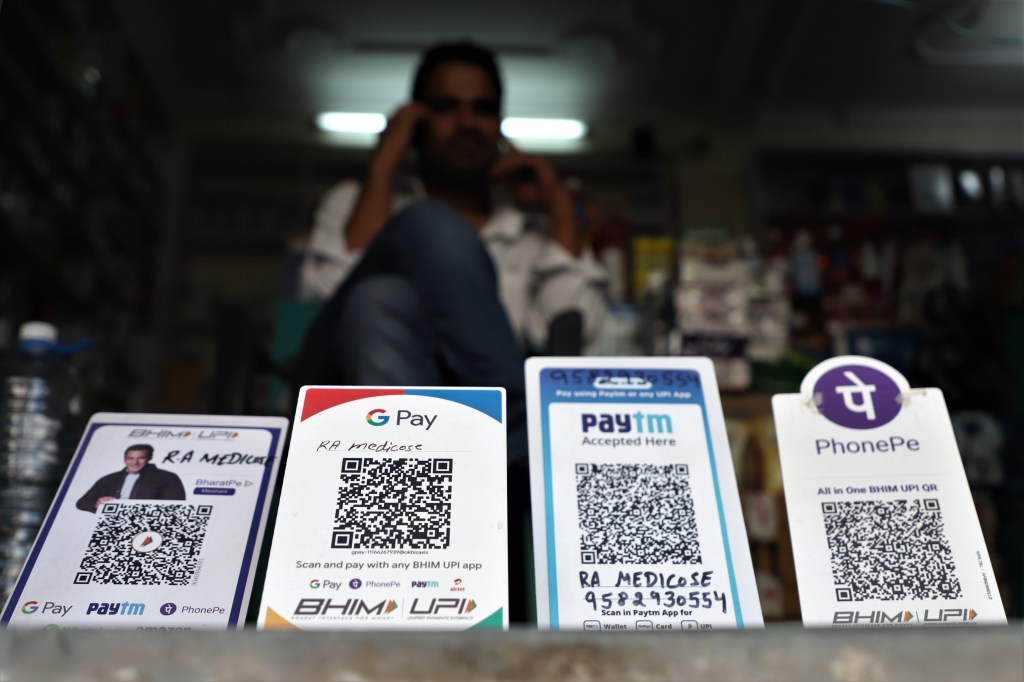
Amazon and Meta Challenge Google Pay and PhonePe’s Dominance in India’s UPI Market
In a significant move to reshape India’s digital payments landscape, tech giants Amazon and Meta are set to engage with the National Payments Corporation of India (NPCI) to address the overwhelming dominance of Google Pay and PhonePe in the Unified Payments Interface (UPI) ecosystem. This initiative underscores the growing concerns among smaller players about the competitive imbalance in the rapidly expanding digital payments sector.
The Current UPI Landscape
The UPI system, a revolutionary instant payment framework developed by NPCI, has transformed India’s financial transactions, facilitating billions of exchanges monthly. As of March 2026, UPI recorded an impressive 22.6 billion transactions, amounting to over ₹29.6 lakh crore. However, this burgeoning market is heavily concentrated, with PhonePe and Google Pay collectively processing approximately 80% of these transactions. Specifically, PhonePe surpassed 10 billion transactions in March, while Google Pay approached ₹10 lakh crore in transaction value during the same period.
The Emergence of a Duopoly
The dominance of PhonePe and Google Pay has raised alarms about a potential duopoly, stifling competition and innovation. This concentration poses challenges for other players like Amazon Pay, WhatsApp, CRED, MobiKwik, and Flipkart’s Super.money, which struggle to gain significant market share. The deferment of NPCI’s plan to cap the market share of any single UPI app at 30% until December 31, 2026, has further entrenched the positions of these leading apps, exacerbating concerns among smaller competitors.
The Upcoming Dialogue with NPCI
Executives from Amazon Pay, WhatsApp, and other platforms are scheduled to meet with NPCI to discuss strategies to foster a more balanced competitive environment. The agenda includes:
– User Acquisition Practices: Addressing the methods employed by dominant apps to onboard users and the utilization of contact data, aiming to ensure fair competition.
– Product Design and Feature Access: Advocating for equitable access to essential features like autopay and payment mandates, which are crucial for user retention and service enhancement.
– Monetization Strategies: Exploring fair monetization practices that do not disproportionately benefit the dominant players, thereby allowing smaller apps to sustain and grow their operations.
– Regulatory Support and Incentives: Requesting regulatory measures and incentives to support emerging players, enabling them to compete effectively and innovate within the UPI ecosystem.
Challenges in Implementing Market Share Caps
While the intent to cap market share is to prevent monopolistic practices, implementing such measures without disrupting the services relied upon by millions is complex. NPCI faces the delicate task of balancing the need for a competitive market with the imperative of maintaining seamless and reliable payment services. The challenge lies in devising strategies that curb dominance without adversely affecting user experience and trust in the UPI system.
The Broader Implications
The outcome of these discussions could have far-reaching implications for India’s digital payments landscape. A more level playing field may spur innovation, enhance service quality, and provide consumers with a wider array of choices. Conversely, failure to address the dominance of a few players could lead to reduced competition, potentially hindering the growth and diversification of the digital payments sector.
Conclusion
As Amazon, Meta, and other stakeholders prepare to engage with NPCI, the focus is on fostering a more inclusive and competitive UPI ecosystem. The discussions aim to address the current market concentration, ensuring that the benefits of digital payments are accessible to a broader spectrum of players and consumers alike. The coming months will be crucial in determining the trajectory of India’s digital payments industry and the role of regulatory bodies in shaping a fair and dynamic market environment.