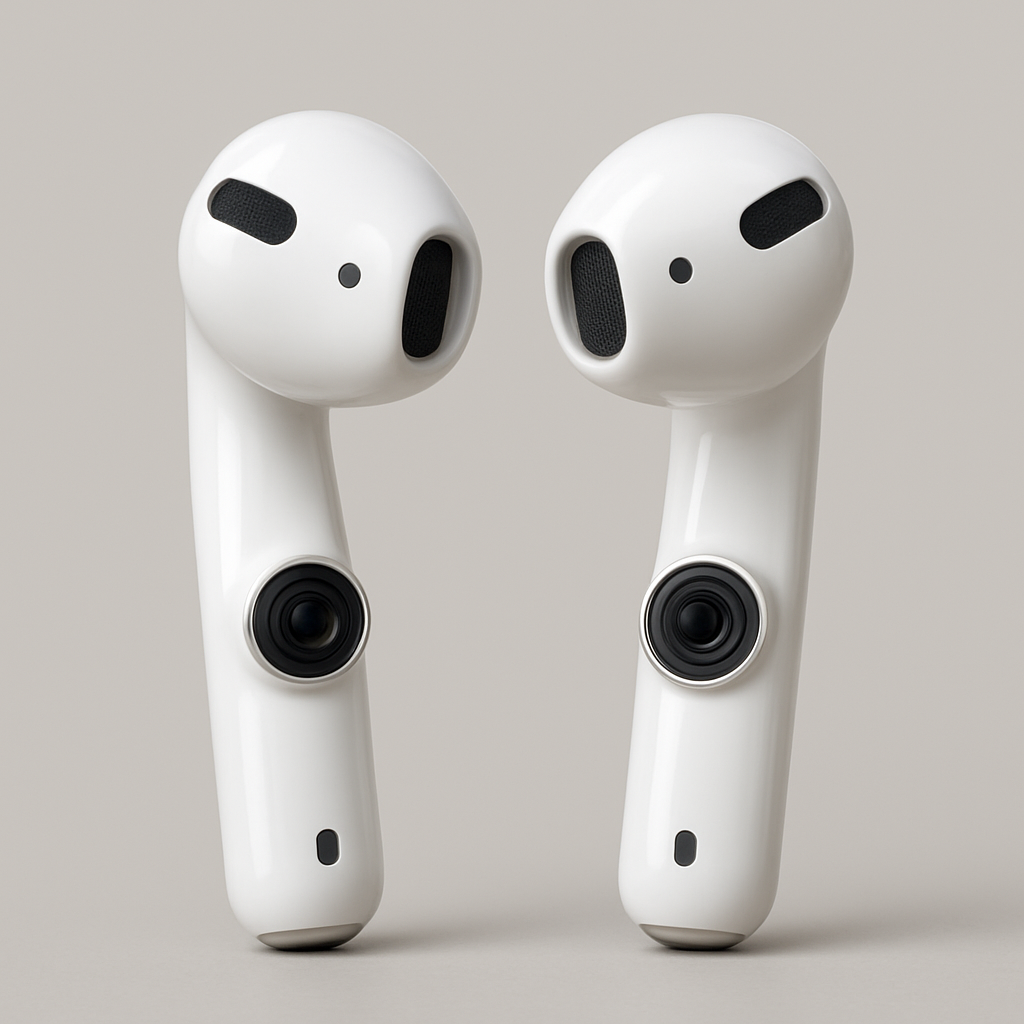
Recent discussions have emerged regarding the integration of cameras into Apple’s AirPods, sparking debates about potential privacy concerns. However, it’s essential to recognize the significant accessibility benefits this innovation could offer.
Unlike Meta’s Ray-Ban smart glasses, which have faced criticism for their discreet cameras and potential privacy invasions, Apple’s approach appears more transparent and user-centric. The design of AirPods with visible cameras aims to ensure that others are aware when recording is taking place, addressing many privacy apprehensions.
For individuals with visual impairments, camera-equipped AirPods could be transformative. By capturing the user’s surroundings, these devices can provide real-time audio descriptions, aiding in navigation and object recognition. This functionality aligns with Apple’s longstanding commitment to accessibility, enhancing the daily experiences of many users.
Moreover, integrating cameras into AirPods could revolutionize how users interact with their environment. From identifying products in a store to reading signs or menus, the potential applications are vast and varied.
While it’s natural to approach new technologies with caution, especially concerning privacy, it’s crucial to balance these concerns with the potential benefits. Apple’s design choices and emphasis on user awareness suggest a thoughtful approach to integrating cameras into AirPods.
In conclusion, the addition of cameras to AirPods holds promise for enhancing accessibility and user interaction. As with any technological advancement, ongoing dialogue and careful implementation will be key to maximizing benefits while addressing valid concerns.