Apple’s iOS 27 update gives AirPods Pro 3 a serious upgrade, adding several features that push the earbuds closer to becoming health-aware and more customizable than ever. Below are the key additions unveiled today, what they do, and how they could shift users’ expectations for wireless earbud functionality.
Custom EQ Joins the Line
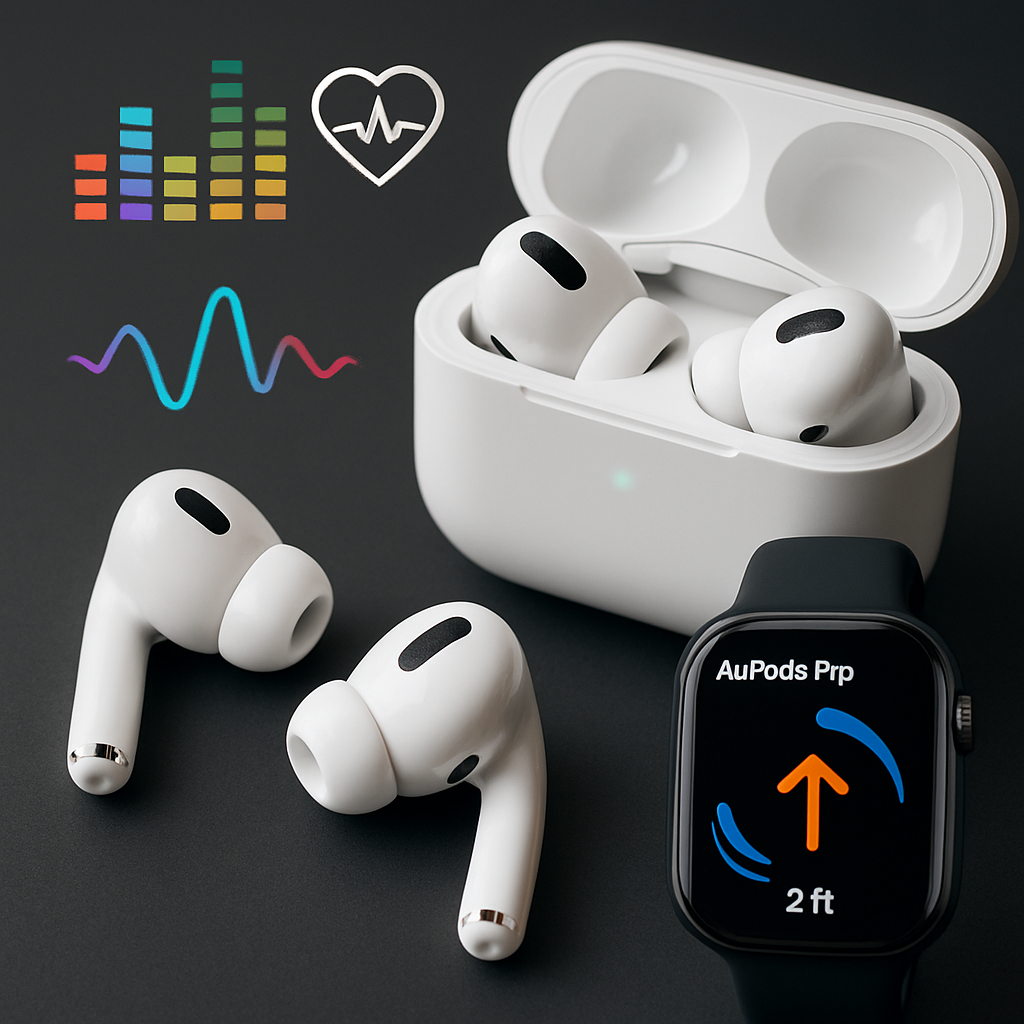
One of the most anticipated improvements is the arrival of a user-customizable equalizer. Gone are the days of relying solely on Apple’s default sound profile: iOS 27 lets you tweak the low, mid, and high frequency levels to match your preferences. This version of Custom EQ isn’t exclusive to the Pro 3—it’s also available on AirPods Pro 2, AirPods Max 2, and the standard AirPods 4 and 5 models.
More Than Just Sound: Health Tracking & GymKit
GymKit, which pairs Apple devices with cardio equipment like treadmills and bikes, is getting smarter. With iOS 27, AirPods Pro 3’s built-in heart rate sensor can now share real-time heart rate data with compatible fitness equipment. The equipment, in turn, feeds back metrics like incline, distance, and calories to your iPhone—so you’ll get a more complete workout log even without an Apple Watch.
Siri Upgrades to ‘AI’ Grade
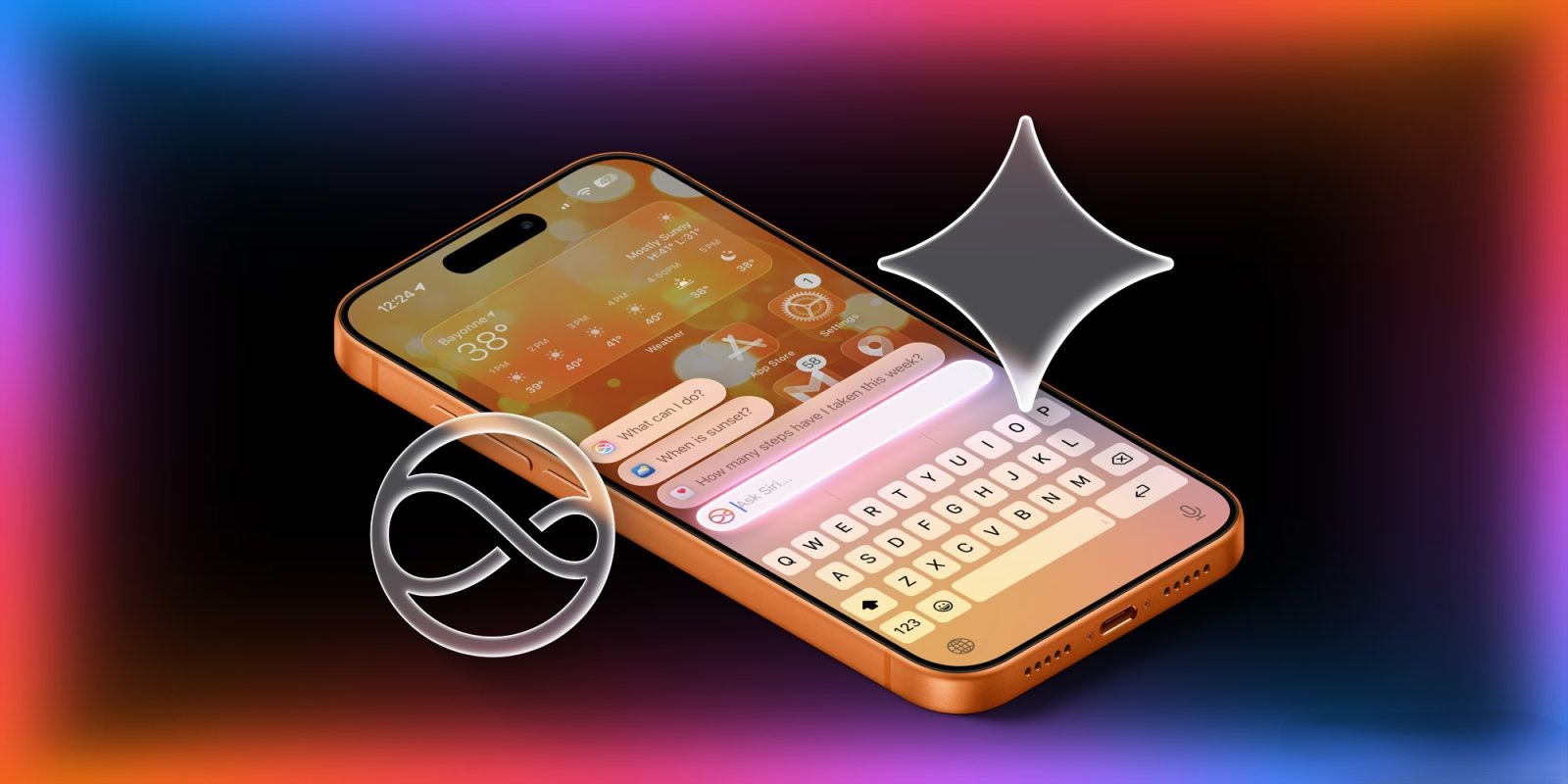
Another headline feature is Siri AI. In addition to typical voice assistance, the upgraded Siri can pull online data, engage in conversations, retrieve context-sensitive items (like past photos or emails), and handle creative prompts or problem-solving tasks. For Pro 3 users, it means turning earbuds into something closer to a wearable AI tool.
Pinpointing Lost Gear—and Setting Order
Apple has added Precision Finding via Apple Watch for the Pro 3 case, thanks to an upgraded UWB chip. Users can now get walking guidance from their wrist toward the lost case—not just another lost-and-found ping, but step-by-step directions directly from the Watch screen when paired with a matching iPhone. Rounding out the improvements is a redesigned AirPods settings layout across iOS 27. New categories, submenus, and visual icons make it faster and less frustrating to find exactly the controls you need.
These updates build on earlier AirPods features—noise cancellation improvements, spatial audio, and fitness usability—but now emphasize health, automation, and personalization in new ways.
What this means: For users who’ve considered upgrading solely for sport or audio tweaks, iOS 27 may shift the balance. AirPods Pro 3 now offer health‐monitoring rivaling what you’d expect from a watch, more control over sound, and tighter integration across Apple’s ecosystem. Going forward, what we’ll want to watch for are how accurate the Pro 3’s heart rate monitoring proves, battery trade-offs for the always-on features, and whether audio latency or quality is impacted by these added sensors and software layers. These features signify a move toward smarter, more versatile wearables—but their true value will be in consistency and reliability in everyday use.