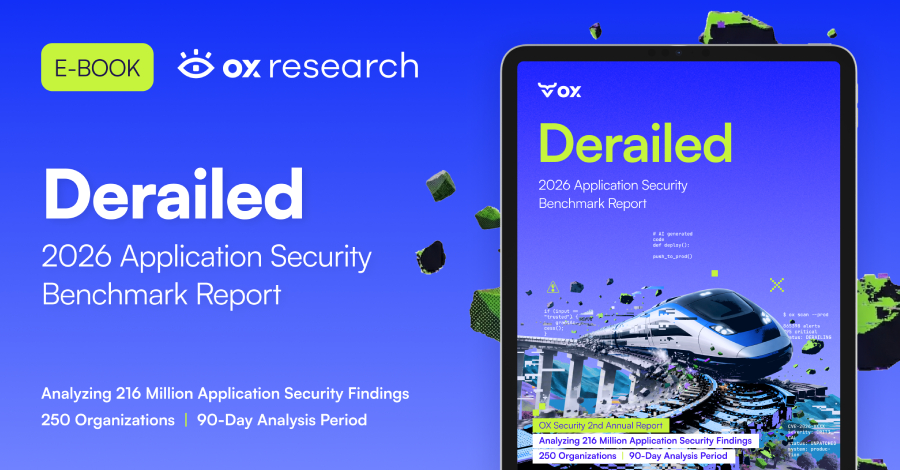
AI-Driven Development Fuels 400% Surge in Critical Security Risks: 2026 OX Security Report
In a comprehensive analysis conducted over a 90-day period, OX Security examined 216 million security findings from 250 organizations, revealing a significant escalation in critical security risks. The study found that while the total volume of security alerts increased by 52% compared to the previous year, the number of prioritized critical risks surged by nearly 400%.
This dramatic rise is largely attributed to the widespread adoption of AI-assisted development tools, which have accelerated code production but also introduced a velocity gap. This gap indicates that the rate at which high-impact vulnerabilities are emerging is outpacing the capacity of current remediation workflows. Consequently, the proportion of critical findings relative to total alerts has nearly tripled, escalating from 0.035% to 0.092%.
Key Insights from the 2026 Analysis:
1. Business Context Over Technical Severity: Traditional technical severity scores are no longer the sole determinants of risk. The analysis identified that factors such as High Business Priority (27.76%) and Personal Identifiable Information (PII) Processing (22.08%) are now more influential in elevating risk levels. This shift underscores the importance of considering the operational context of vulnerabilities, emphasizing that the location and function of a vulnerability can be more critical than its technical nature.
2. Impact of AI on Security Vulnerabilities: The study observed a direct correlation between the adoption of AI coding tools and the quadrupling of critical security findings. Organizations utilizing these tools reported an average of 795 critical findings, a significant increase from the previous average of 202. The enhanced code production speed facilitated by AI tools has led to the emergence of more complex, context-dependent flaws that often evade traditional linting processes and legacy security scanners.
3. Industry-Specific Risk Profiles: The analysis highlighted that risk profiles vary significantly across different sectors. Insurance companies exhibited the highest density of critical findings at 1.76%, indicating a heightened vulnerability within this industry. Conversely, the automotive sector generated the highest volume of raw alerts. This trend is likely due to the rapid expansion of codebases in software-defined vehicles, reflecting the industry’s swift technological advancements and the associated security challenges.
This marks the second consecutive year that OX Security has conducted such an analysis, aiming to benchmark the evolving state of application security. The full report, which includes detailed methodologies and industry-specific benchmarks, offers valuable insights for organizations striving to enhance their security postures in the face of rapidly evolving technological landscapes.