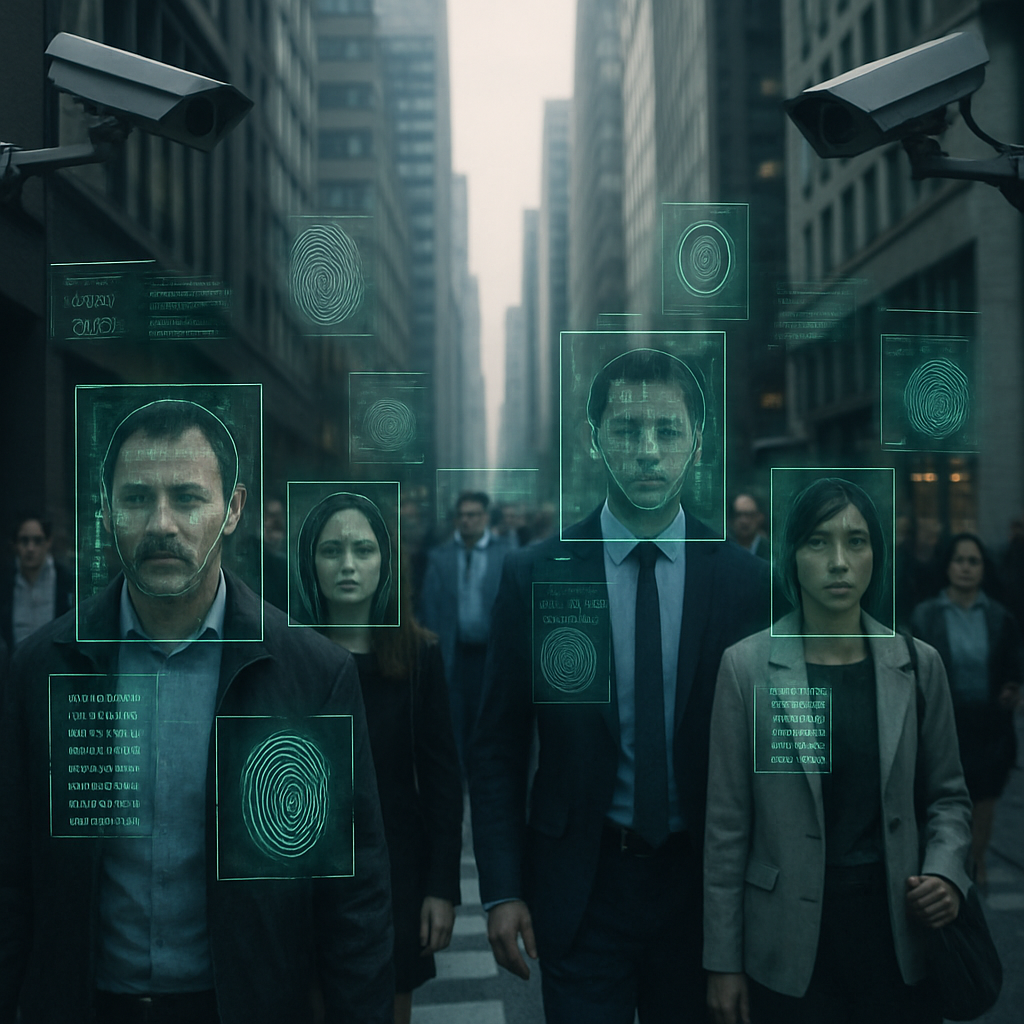
Governments worldwide are increasingly leveraging artificial intelligence (AI) and biometric data collection to enhance surveillance capabilities, raising significant concerns among security experts and human rights organizations. This trend is particularly pronounced in authoritarian regimes, where such technologies are used to monitor citizens and foreign nationals with minimal oversight.
A comprehensive analysis of 193 countries reveals that 31 nations pose high or very high risks due to government digital surveillance practices. These states employ various methods, including network interception, endpoint compromise, platform-level access, public space surveillance, and data aggregation. The absence of independent oversight in these regions exacerbates the potential for abuse.
Foreign nationals and business travelers are especially vulnerable in high-risk jurisdictions. They face threats such as theft of sensitive corporate data, loss of intellectual property, reputational damage, and even physical detention based on digitally gathered intelligence. Experts emphasize that inadequate preparation before entering such countries can place individuals and their organizations at significant risk.
AI-Powered Public Surveillance and Biometric Data Collection
AI-driven public surveillance systems have become central to government monitoring efforts, particularly in authoritarian states. ‘Safe City’ projects, often utilizing hardware from Chinese technology firms, integrate facial recognition and license plate readers across urban areas in Africa, Central Asia, and Eastern Europe. For instance, following protests in Turkey in March 2025, authorities employed AI facial recognition to identify and detain demonstrators shortly after the events.
Biometric databases add another layer to this surveillance architecture. Russia’s Unified Biometric System mandates that foreigners submit biometric data to a state repository when obtaining mobile services. The government is constructing a digital profile that consolidates information from at least 14 agencies. Similarly, Myanmar’s military has merged SIM records, airport data, CCTV footage, and identity files into a unified database, effectively eliminating anonymity.
Predictive policing tools further enhance surveillance capabilities. South Korea’s Dejaview system combines historical crime data with real-time CCTV analysis to flag potential criminal behavior, illustrating the expanding scope of AI in public monitoring.
The proliferation of commercial spyware and AI tools is accelerating these developments. As of April 2026, approximately 100 countries have procured commercial spyware, significantly lowering the barriers to state-level intrusion. Without robust global oversight, individuals and organizations remain increasingly exposed to these invasive surveillance practices.
The rapid adoption of AI-powered surveillance and biometric data collection by governments underscores the urgent need for international standards and oversight. Without such measures, the balance between national security and individual privacy is at risk, potentially leading to widespread human rights violations and the erosion of civil liberties.