Vibe Coding on iPhone: Opportunities and Challenges
Vibe coding, the practice of using AI to generate code based on user prompts, has revolutionized software development by enabling both seasoned developers and novices to create applications more efficiently. This approach has been particularly beneficial within controlled environments like Apple’s Xcode, where AI integration has streamlined the coding process.
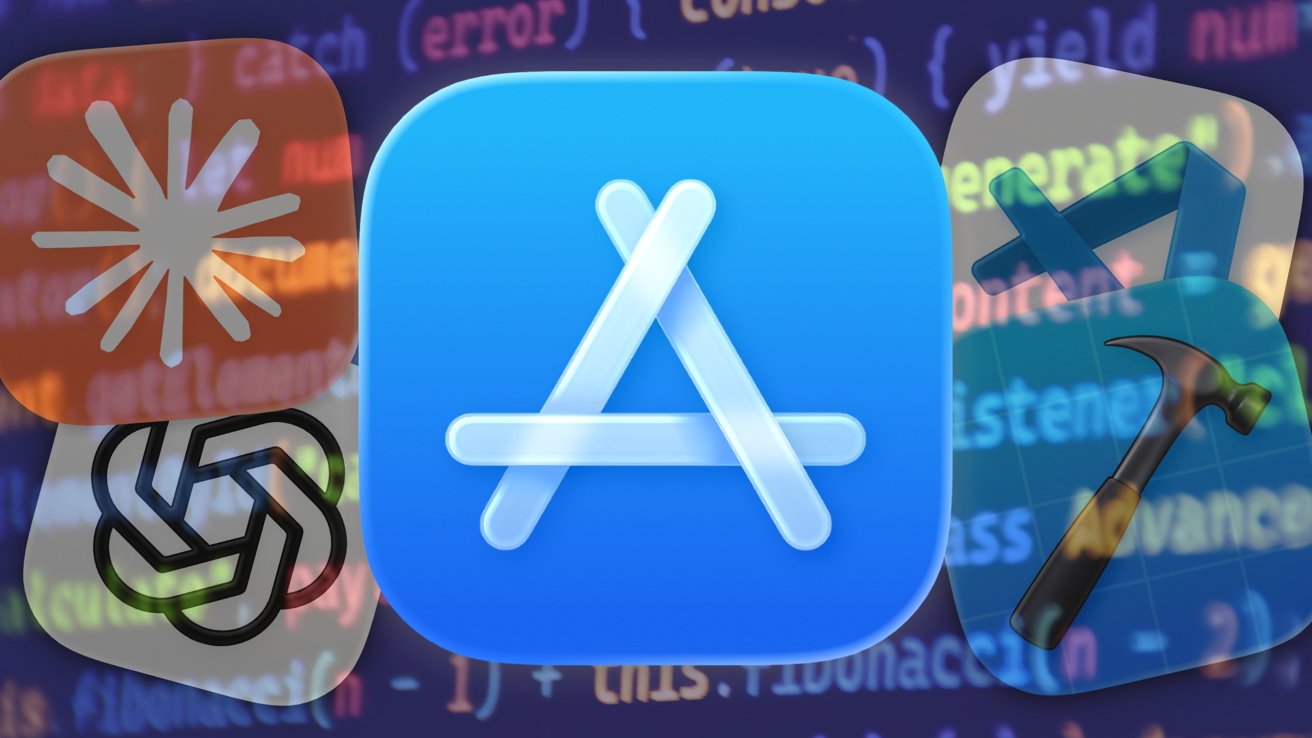
In February 2026, Apple introduced Xcode 26.3, enhancing its support for agentic coding by integrating popular large language model (LLM) chatbots such as Anthropic’s Claude Agent and OpenAI’s Codex. This integration allows developers to describe desired functionalities in natural language, with the AI generating corresponding code snippets or even complete applications. This advancement has significantly lowered the barrier to entry for app development, leading to a surge in App Store submissions.
However, the application of vibe coding directly on iOS devices like iPhones and iPads presents unique challenges. Apple’s App Store Review Guidelines explicitly prohibit apps from generating and executing code on-device without prior review. This policy aims to maintain security and privacy by ensuring all applications undergo thorough scrutiny before reaching users.
The primary concern is that allowing on-device code compilation could enable the creation of unreviewed applications, potentially leading to the distribution of malware or other harmful software. For instance, an app capable of generating and running code could be exploited to produce malicious programs without oversight, posing significant risks to user data and device integrity.
To navigate these restrictions, developers have explored alternative methods. One approach involves off-platform compilation, where the coding and compilation processes occur on external servers, with the iOS device serving merely as an interface for design and input. This method aligns with Apple’s guidelines, as the actual code execution doesn’t take place on the device itself.
A notable example is the app Replit, which faced challenges with Apple’s App Store policies. In early 2026, Apple blocked updates to Replit due to concerns over its AI-generated code preview feature on iPhones, which was perceived as a violation of the guidelines against dynamically executed code. After several months of discussions, Replit and Apple reached an agreement, leading to the resumption of app updates. The specifics of the changes made to comply with Apple’s policies remain undisclosed, but it’s evident that adjustments were necessary to align with the App Store’s security standards.
The rise of vibe coding has also led to an influx of new applications submitted to the App Store. In 2025, there was an 84% year-over-year increase in app submissions, a surge attributed to the accessibility of AI-driven development tools. While this growth reflects the democratization of app development, it also presents challenges in maintaining the quality and security of available applications.
Apple has responded by intensifying its scrutiny of vibe coding applications. In March 2026, the company removed the app Anything from the App Store, citing violations related to the creation of other apps within an app, which contravenes section 2.5.2 of the developer guidelines. This action underscores Apple’s commitment to preventing the distribution of unreviewed code and maintaining a secure app ecosystem.
Despite these challenges, Apple recognizes the potential of AI in enhancing app development. The company is exploring ways to integrate more AI-driven tools into the App Store while ensuring compliance with existing guidelines. This includes internal discussions on how to accommodate apps that utilize AI agents without compromising security or user experience.
In conclusion, while vibe coding offers exciting possibilities for app development, its implementation on iOS devices must be carefully managed to align with Apple’s security protocols. By balancing innovation with stringent review processes, Apple aims to foster a thriving app ecosystem that prioritizes user safety and quality.