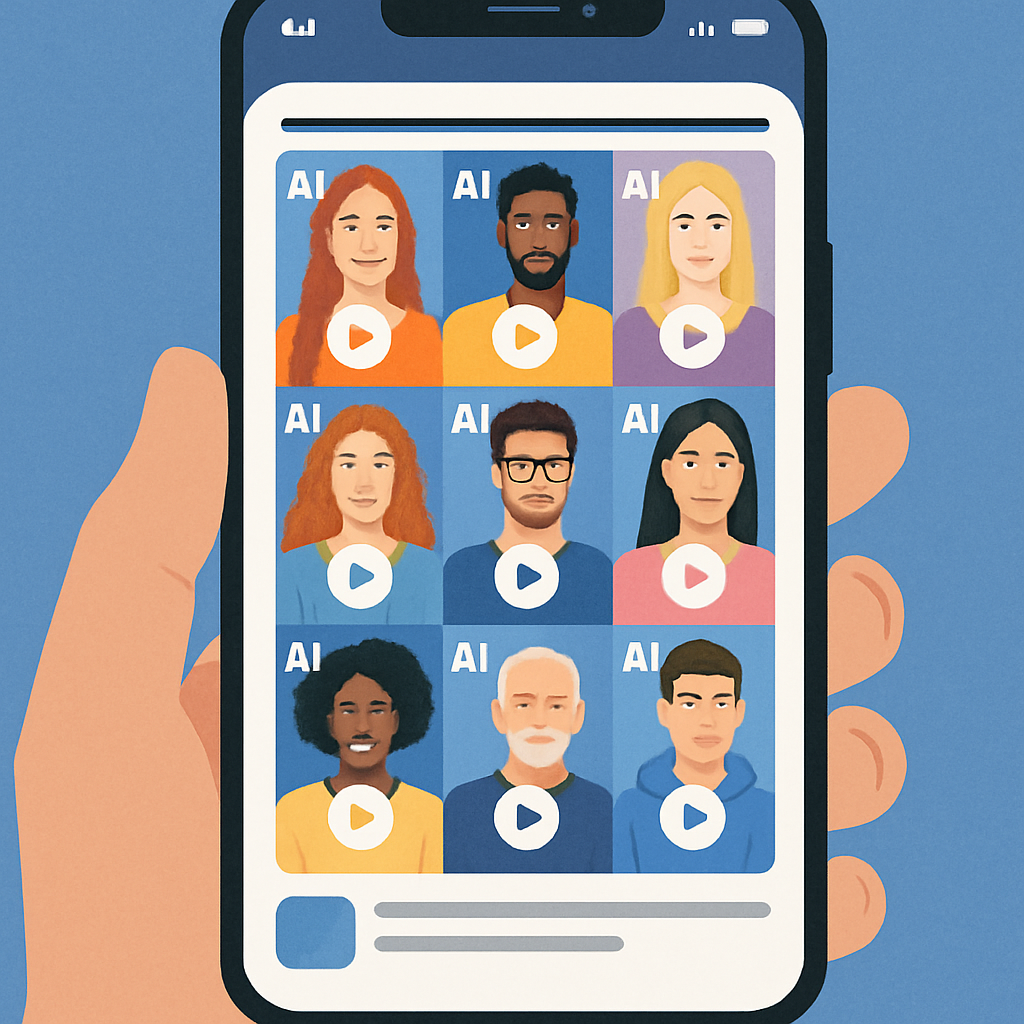
Recent analyses have revealed a significant surge in AI-generated content on major video-sharing platforms. A study by video editing platform Kapwing examined over 10,000 TikTok videos and found that approximately 59% were AI-generated. Similarly, an earlier study indicated that 21% of YouTube videos fell into the same category.
The prevalence of AI-generated content is even more pronounced in videos targeting children. Within the #CartoonKids category on TikTok, 97 out of 100 videos analyzed were AI-generated. Related hashtags such as #cartoons and #babysong showed 83% AI-generated content, while #forkids reached 79%.
These figures likely underestimate the true extent of AI-generated content, as the studies only identified videos with overtly AI-generated scripts and voiceovers. The actual percentage may be higher, considering the subtlety of some AI-generated content.
New users are particularly susceptible to encountering AI-generated videos. The studies observed that fresh accounts with no watch history were more likely to be served AI-generated content. However, user engagement patterns can influence the type of content displayed over time.
The rise of AI-generated content is driven by the platforms’ algorithms, which often prioritize quantity over quality. This incentivizes creators to produce and upload AI-generated videos to meet the demand for constant content.
While AI-generated content can offer innovative and engaging experiences, its overwhelming presence raises concerns about content authenticity and quality. Users should be aware of the nature of the content they consume and exercise discernment. Platforms may need to implement measures to balance AI-generated content with human-created material to maintain content integrity.