AI Boom Triggers Global Memory Chip Shortage, Impacting Consumer Electronics Until 2027
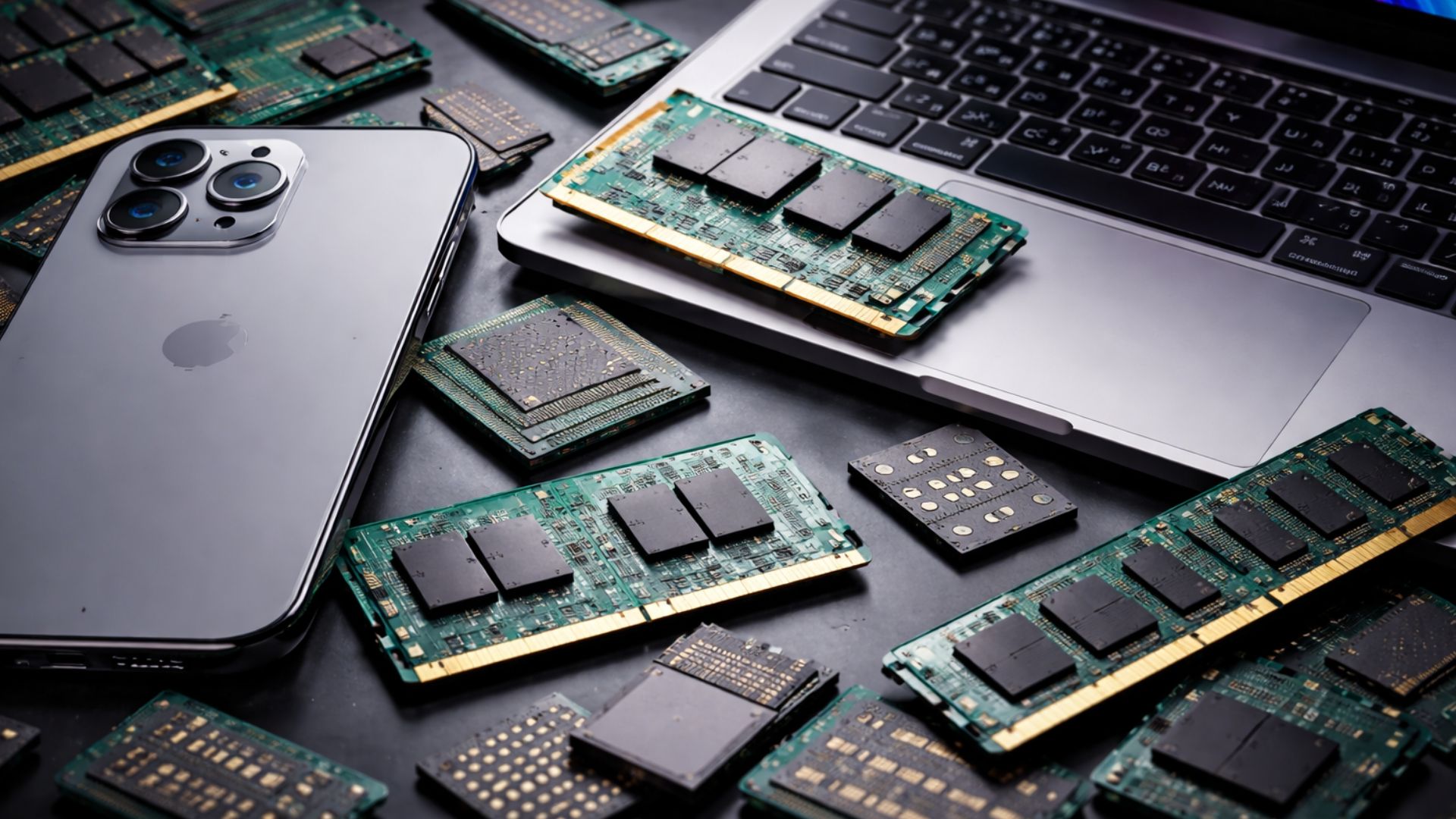
The rapid expansion of artificial intelligence (AI) technologies has precipitated a significant global shortage of memory chips, a situation projected to persist until 2027. This scarcity is poised to affect the availability and pricing of consumer electronics, including smartphones and computers.
AI’s Escalating Demand for High-Bandwidth Memory
AI applications, particularly those involving machine learning and data-intensive tasks, require substantial computational power and memory bandwidth. To meet these demands, major memory chip manufacturers such as Samsung, SK Hynix, and Micron have reallocated their production capacities toward high-bandwidth memory (HBM) chips, which are essential for AI servers. This strategic shift has led to a reduced output of standard memory components used in everyday consumer devices.
Impact on Consumer Electronics Manufacturers
The prioritization of HBM production has resulted in a constrained supply of conventional memory chips, posing challenges for consumer electronics manufacturers. Companies like Apple are experiencing difficulties in sourcing sufficient memory components for their products. For instance, the MacBook Neo has already sold out its April supply, indicating the immediate effects of the shortage.
Rising Costs and Delayed Production
The scarcity of standard memory parts has led to increased costs for these components. Manufacturers are likely to pass these additional expenses onto consumers, resulting in higher retail prices for computers and smartphones. Furthermore, the construction of new manufacturing facilities to expand production capacity is a time-intensive process. SK Hynix’s recent opening of a fabrication facility in Cheongju is a notable development; however, it remains the sole significant increase in production capacity among the top three companies for 2026. Consequently, the shortage is expected to continue until at least 2027, making discounts on new hardware increasingly rare.
Broader Implications for the Tech Industry
The memory chip shortage extends beyond consumer electronics, affecting various sectors within the technology industry. The increased demand for AI infrastructure has also led to higher prices and limited availability of external storage products. Apple, for example, has raised the prices of external drives due to these shortages, with some products experiencing price increases of up to 140%. Additionally, the shortage of core chip materials, such as high-end glass cloth fiber used in printed circuit boards and chip substrates, has further complicated the situation. Apple has had to compete with AI companies for these limited resources, leading to potential delays and increased costs in product manufacturing.
Conclusion
The AI-driven demand for high-bandwidth memory has significantly disrupted the supply chain for standard memory chips, leading to a global shortage that is expected to last until 2027. This shortage is impacting consumer electronics manufacturers, resulting in higher prices and limited availability of products. As the industry works to expand production capacity, consumers should anticipate continued challenges in the availability and pricing of memory-dependent devices in the coming years.