Apple is running macOS on iPads behind the scenes, but the company has no current plans to roll out such functionality for users. Despite the shared Apple Silicon architecture between Macs and iPads enabling this internal experimentation, macOS on an iPad won’t be available to consumers—especially not in the near future.
Experimentation, Not a Roadmap to Shipping
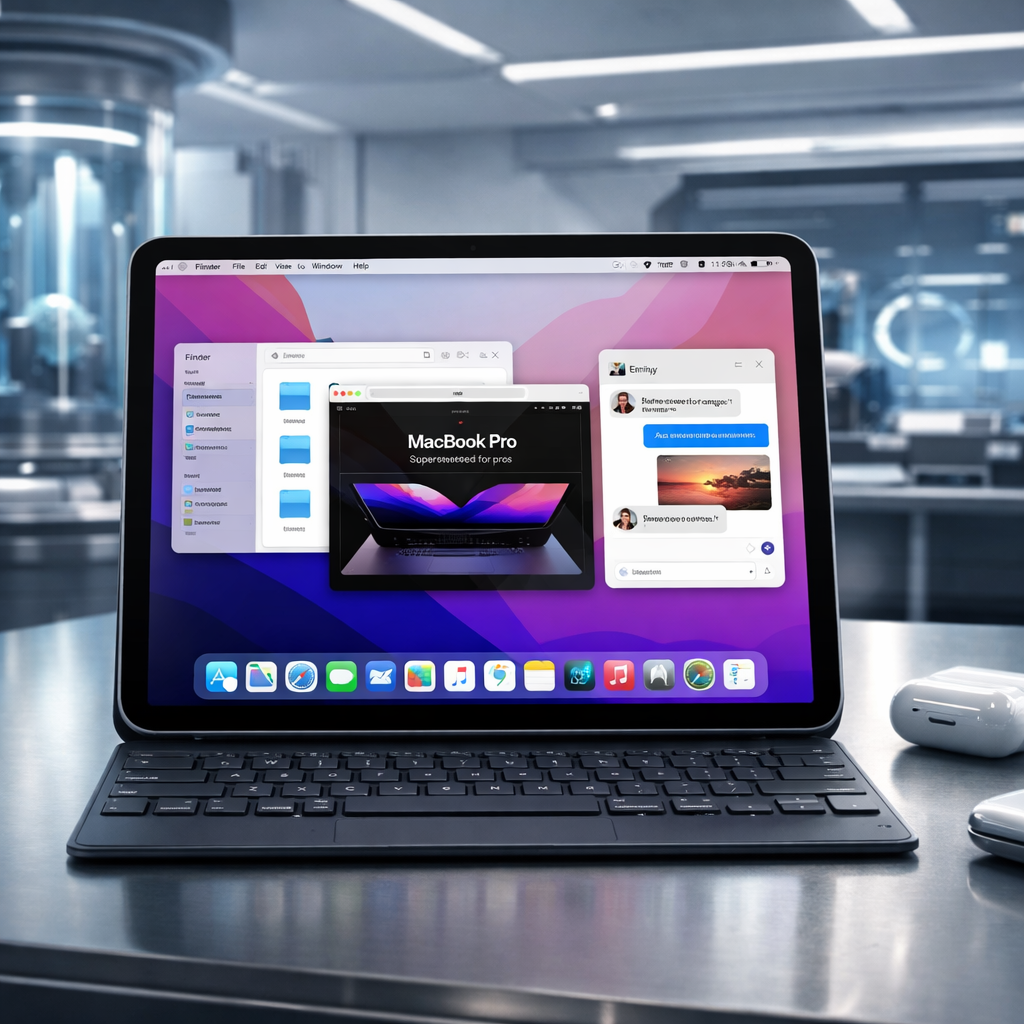
The revelation comes from Bloomberg’s “Power On” podcast, where Mark Gurman reported that Apple already has iPads operating with macOS internally. Shared hardware roots make this swap feasible, giving Apple room to explore feature and interface crossovers between the platforms. Still, there is no indication that work is underway to commercialize an iPad running macOS or to merge it with iPadOS. Such ideas remain speculative.
Historical and recent statements from Apple leadership reinforce this direction. Back in 2018, then-CEO Tim Cook explicitly rejected the notion of a unified Mac-iPad operating system, citing risks to the user experience. In 2021, Apple’s marketing chief reaffirmed that despite the introduction of Apple Silicon (M1) in iPads, a merge was not in the cards. Most recently, during Apple’s November earnings call, John Ternus echoed that commitment—there are no current intentions to combine macOS and iPadOS or offer macOS directly on iPads.
Why Bring mac-like Features into iPadOS?
While the OS lines remain distinct, iPadOS has seen several adjustments to narrow the gap with macOS. iPadOS 26 introduced the ability to resize windows more freely—one of the most Mac-like additions to date. These UI refinements aren’t about merging systems, but about enhancing productivity and giving iPad users more robust tools that mirror macOS software conventions.
Even so, Apple’s official stance continues to be clear: iPadOS is distinct and will remain so. Internal trials with macOS suggest curiosity and forward-thinking R&D, but not tangible roadmaps. For now, iPadOS will evolve independently, borrowing appropriate ideas from Mac without becoming macOS itself.
This ongoing internal effort highlights how Apple balances innovation with maintaining clean product boundaries. Mac and iPad are designed to serve different use cases—Macs for desktop-style workflows; iPads for touch-first, mobile productivity. A merged system might complicate both. So while engineering labs may host macOS on iPads, real users can expect the separation to hold for now.
What to watch for: future versions of iPadOS may continue adopting more macOS-style features—windowing, multitasking, power tools—but a full merger seems unlikely. True macOS on iPad hardware may remain a research curiosity rather than a consumer product for years to come.