PrismML has introduced Bonsai 2.5, a new version of its on-device AI model engineered to elevate coding skills and tool interaction, especially on Apple hardware. The upgrade arrives after the late-September debut of the previous edition, and is anchored by the Qwen 3.8 27B architecture. While maintaining its compact size in the smallest Apple device configuration—5.9 GB—this iteration brings more capable behavior when workflows break down.
Benchmark Leaps & Practical Updates
The model makes substantial strides in metrics tied to programming and tool usage. Its SWE-bench verified coding score jumps from 60.8 to 75.6, signaling stronger ability in generating code or assisting developers. Even more dramatic, its AppWorld tool-use benchmark surges from 51.2 to 90.5, meaning it’s much better at interacting with and reasoning about external tools. One benchmark, LiveCodeBench v6, showed a slight dip (83.8 to 83.0), but the overall picture points to strong gains in reliability when things go wrong—such as failed steps or unexpected tool responses.
On-Device, With Privacy & Flexibility
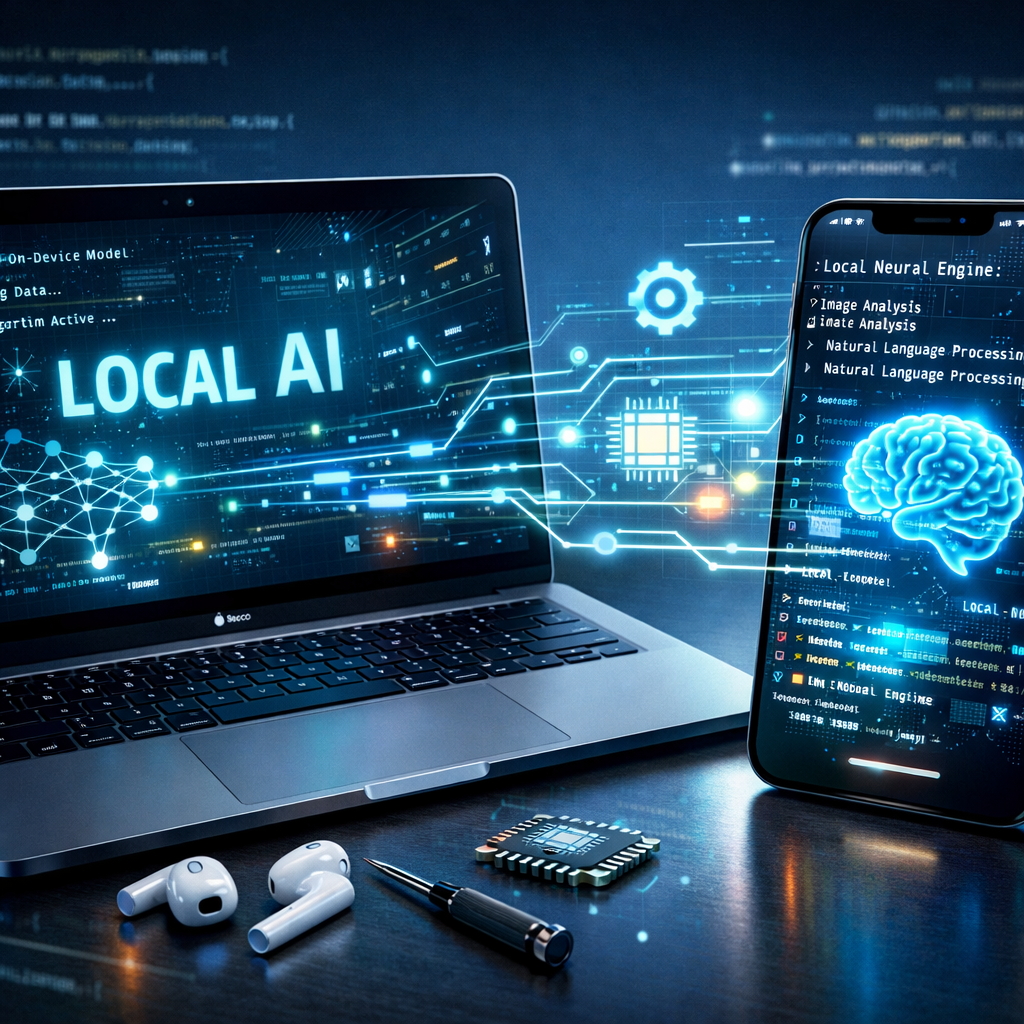
Bonsai 2.5 is built to run entirely on Mac, iPhone, and iPad through PrismML’s MLX system. For Apple silicon devices the full installation weighs in at around 8.9 GB. Crucially, the weights are free under an open-source Apache 2.0 license. PrismML also published a detailed model card explaining how to set up Bonsai 2.5 on Mac, alongside a white paper that delves into its compression techniques and benchmark performance.
This model continues PrismML’s effort to push large-scale neural models into the hands of users without sending data back to the cloud. The 1-bit Bonsai 27B model introduced earlier in the year was already notable for being among the first of its size to be deployable on iPhone. Bonsai 2.5 refines that foundation, not by shrinking its footprint further, but by making it far more capable when handling the messy, unpredictable bits of real workflows.
At a time when concerns about AI safety, privacy, and responsiveness are front of mind, Bonsai 2.5 bridges performance with control. Its improved coding and tool use makes it more suited to power users and developers, enabling workflows like self-debugging code assistants or document summarization that stays on your device.
What this means and what to watch for: Bonsai 2.5 points toward a future where powerful AI tools can run locally without depending on cloud services. The jump in tool-use benchmarks suggests we’ll see more on-device assistants that can handle complex tasks robustly—even when things go wrong. For users, the Apache-licensed weights mean experimentation and customization are more accessible. Going forward, look for how this model performs in real apps—especially under edge cases like tool failure or unpredictable input—as well as how energy usage and latency on Apple’s smallest devices evolve with these enhancements.