Coros has unveiled the Vertix 4, a rugged smartwatch built for serious adventurers. Between its sharply bright display, subterranean-ready durability, and built-in flashlight, the Vertix 4 feels ready for mountaintops, arctic trails, or any raw outdoor mission.
Specs built for extremes
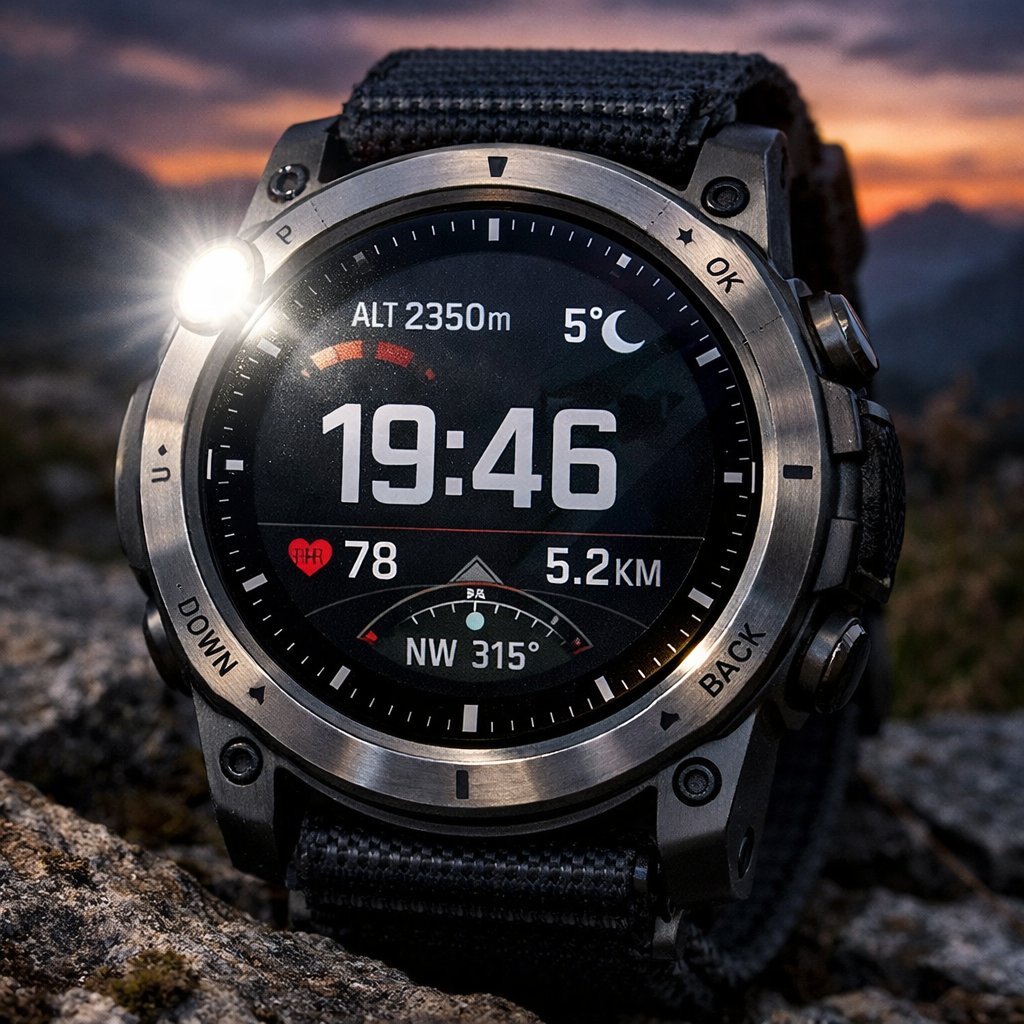
The Vertix 4 features a 1.47-inch LTPO AMOLED screen with up to 3,500 nits peak brightness, housed under sapphire glass and protected by a titanium bezel. It’s not just tough—it survives in conditions from -30° to 50° Celsius, making it one of the hardiest wearables in its class.
Battery life & new features
Battery life is a standout. Normal use is rated at 30 days on a single charge, even with the flashlight turned on, and GPS tracking lasts about 105 hours. That’s a serious endurance gain for users who head off the grid.
This model brings in its first ever built-in flashlight, positioned toward the hand so it illuminates exactly where you need it while working. Coros has also upgraded the processor to support offline maps—contour lines, satellite view, and terrain detail—along with 64 GB of storage so you can load those maps—and music—for the trail.
Health & sport features, design tweaks
Included is a fourth-generation optical heart rate sensor with SpO₂ monitoring, plus a full suite of sports tracking and training programs from Coros coaches. The body is roughly 14% slimmer than prior Vertix models, yet still rugged and includes both silicone and nylon band options. It comes in black and silver finishes, priced at $799.
The Vertix 4 consolidates many of the best features from previous generations (Vertix 2 and 2S) into one package, while solving common complaints—like thickness—and adding new tools to modern outdoor toolsheds.
Why this matters: Most outdoor smartwatches force trade-offs: ruggedness vs. wearability, battery vs. functionality. The Vertix 4 minimizes those compromises, bringing endurance, visibility, mapping, and utility (like the flashlight) into a well-rounded, more portable frame. It raises expectations for what an expedition-grade smartwatch should deliver. What to watch now: real-world battery hits, flashlight practicality, and how well the offline map performance holds up under actual outdoor navigation demands.