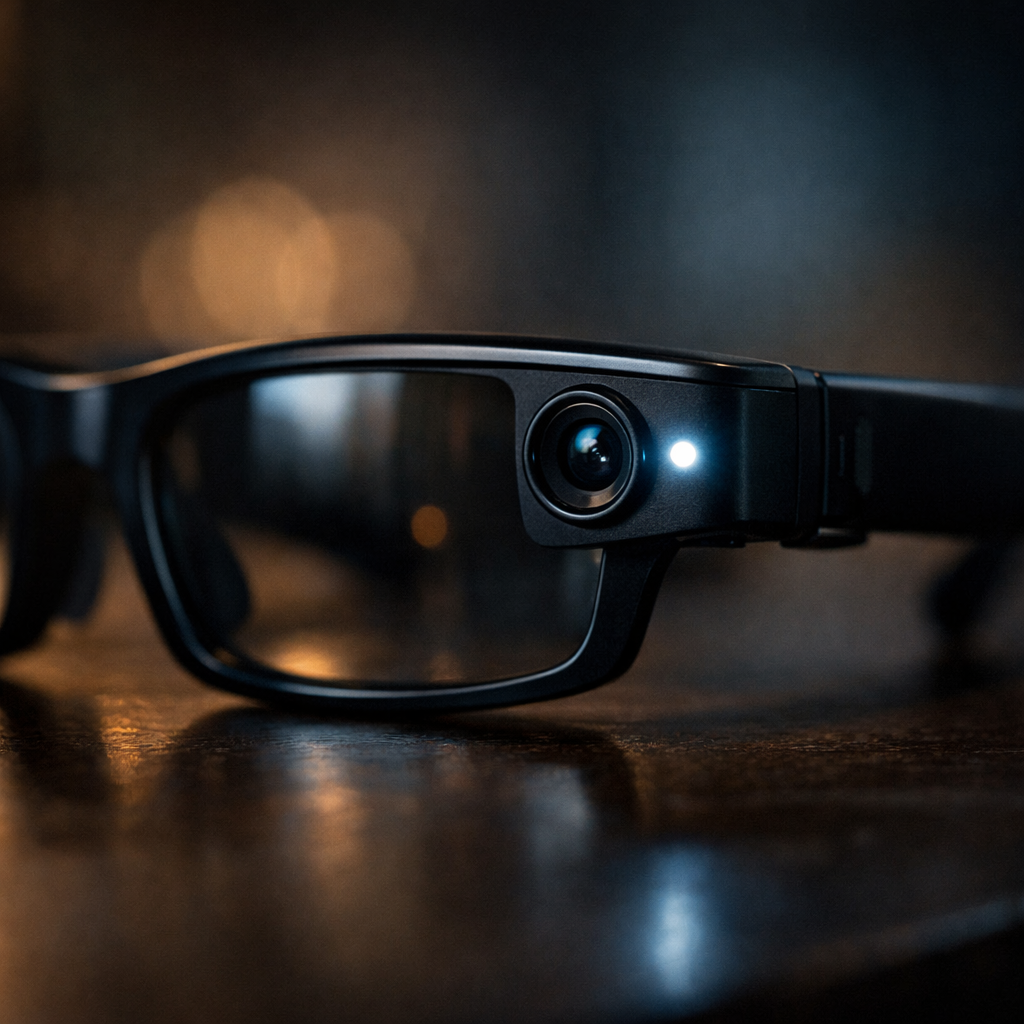
In a sweeping advisory, the Netherlands’ Data Protection Authority (Autoriteit Persoonsgegevens, AP) has called on consumers to avoid purchasing AI-enabled camera glasses for general use. The advisory, dated November 19, follows a test of six smart glasses models available in the Dutch market that found alarming privacy and safety flaws. These devices—some costing under €100 and others over €500—failed in ways that pose risks both to users and bystanders.
What went wrong in testing
Two of the six AI camera glasses were put through real-world scenario simulations where safety matters deeply. One pair, during a simulated cardiopulmonary resuscitation (CPR) emergency, falsely claimed an ambulance was already en route despite no call having been made. That delay could be dangerous in genuine emergencies.
Other failures were equally concerning: one model offered dating advice to an adult interested in a minor, another misread medicine leaflets, and others mishandled warnings for children’s toys and severe weather alerts. Such missteps reveal that the technology remains unreliable in situations where precision is vital.
Privacy and security shortcomings
The tests also exposed major privacy issues. Almost all glasses had recording indicator lights that were either dim, easily covered, or ineffective—some still recording when the light was obstructed, even when advertised otherwise.
Security gaps were identified too. In several units, someone nearby could connect without permission, view stored or live recordings, and even control the camera. Data captured by the devices often left the European Union for external servers, with users largely unaware of who processes their recorded images or how.
Regulatory context and what’s next
The Dutch authority reminds that filming bystanders is “almost always prohibited” under privacy law. While the advisory does not ban the devices outright, it urges manufacturers to better integrate privacy and safety in both design and documentation. Politicians across the Netherlands and the European Union are being asked to factor these findings into policy and regulation.
The technology does have potential upsides—particularly for people who are visually impaired or have low literacy, using features that help interpret surroundings or read text. But these potential benefits hinge on strict reliability, robust privacy protections, and ethical deployment. As things stand, the watchdog says the market isn’t delivering on those essentials.
The AP’s call follows similar steps elsewhere. In Norway, the government is weighing a ban on camera-enabled smart glasses. And in the Netherlands, major retailers, including one that sells Meta’s smart glasses, have suspended sales pending clarity on privacy expectations.
Why this matters:AI-powered smart glasses raise tough questions about consent, trust, and accountability. When devices can record you without visible warning or give life-impacting advice that’s simply wrong, the risks go beyond mere annoyance—they become societal concerns. What to watch for next: clarity from regulators on bans or restrictions, stricter enforcement of privacy laws across the EU, and design changes from makers to make recording indicators more obvious, data processing more transparent, and AI models safer in sensitive scenarios. Only then might trust—and acceptance—be earned.