iPhone 17 Tops Global Sales, Redefining Consumer Preferences
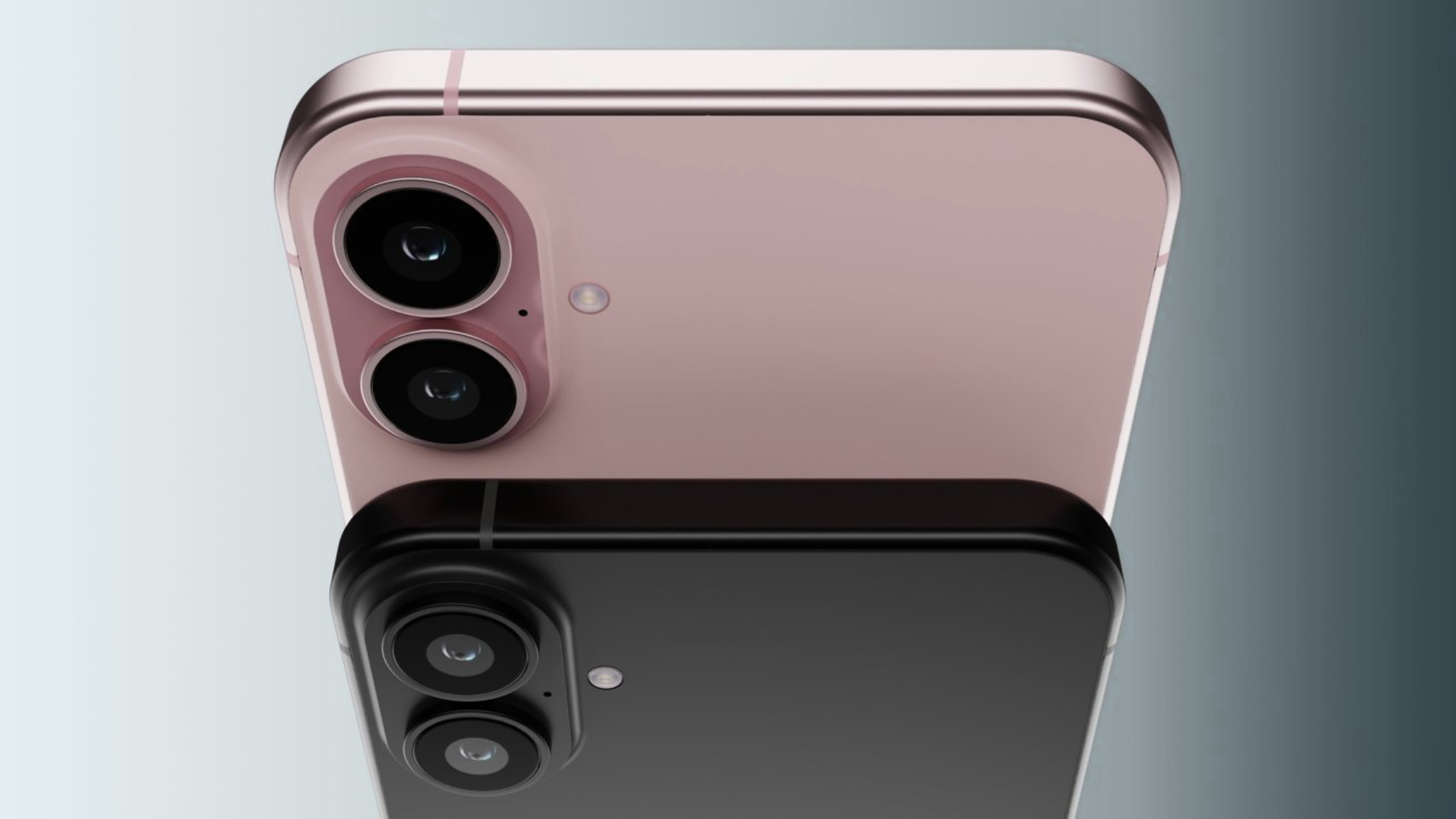
In the first quarter of 2026, Apple’s iPhone 17 emerged as the leading smartphone worldwide, surpassing its Pro Max counterpart and signaling a shift in consumer purchasing behavior. This trend underscores a growing preference for devices that offer a blend of premium features and affordability.
Apple’s Dominance in the Market
According to Counterpoint Research, the iPhone 17 accounted for 6% of global smartphone sales in Q1 2026. The iPhone 17 Pro Max and iPhone 17 Pro secured the subsequent positions, granting Apple a firm hold on the top three spots and reinforcing its dominance in the high-end market segment.
Senior Analyst Harshit Rastogi attributes the iPhone 17’s success to significant enhancements such as increased base storage, improved camera resolution, and a higher display refresh rate. These upgrades have narrowed the gap between the standard and Pro models, making the iPhone 17 an attractive option for consumers seeking value without compromising on features.
The report also highlights that the top 10 smartphones contributed to 25% of total global shipments, marking the highest first-quarter concentration to date. This indicates that a select few models are driving a substantial portion of the market.
Competition in the Mid-Range Segment
On the Android front, Samsung’s Galaxy A07 4G and Galaxy A17 5G led sales, with the Galaxy A56 and Galaxy A36 also featuring in the top 10. This demonstrates Samsung’s reliance on its A-series to offer competitively priced devices with long-term software support.
Xiaomi’s Redmi A5 rounded out the list, standing out as the most affordable device among the top performers and maintaining steady demand in emerging markets.
Notably, Samsung’s flagship Galaxy S26 Ultra did not make the top 10, despite strong initial sales. This suggests that premium Android models face challenges in volume sales when compared to Apple’s lineup.
Evolving Consumer Preferences
The current market trend indicates a consumer preference for devices that offer Pro-like features at a more accessible price point. The iPhone 17 exemplifies this demand, providing a balance of high-end specifications and affordability.
Counterpoint Research anticipates this pattern to persist throughout 2026, as brands increasingly focus on premium models. Meanwhile, mass-market segments may experience pressure from rising component costs, particularly due to ongoing memory shortages affecting industry-wide pricing.
Apple’s Strategic Adjustments
In response to the sustained demand for the iPhone 17, Apple appears to be adjusting its product release strategy. Reports suggest that the company is extending the production cycle of the iPhone 17 and increasing manufacturing capacity, indicating plans to keep the device relevant in the market for an extended period.
This shift implies that the anticipated iPhone 18 base model may not launch until early 2027, marking a departure from Apple’s traditional annual upgrade cycle. By potentially separating the release schedules of its premium and entry-level models, Apple may aim to give high-end devices more prominence during the fall launch window while introducing standard versions at a different time.
Implications for Consumers
For consumers, this strategy means that the iPhone 17 could remain Apple’s primary affordable option for a longer duration. Those awaiting the base iPhone 18 may need to adjust their expectations and timelines accordingly.
In summary, the iPhone 17’s ascent to the top of global sales charts reflects a broader shift in consumer preferences toward devices that offer a combination of premium features and practical pricing. Apple’s strategic adjustments in response to this trend may reshape the smartphone market landscape in the coming years.