Autonomous vehicle operators are acquiring impressive vehicle counts—but there’s more to dominance than fleet size. While Tesla now outranks Waymo in robotaxi units registered in Texas, Waymo continues to lead in commercial driverless miles and efficiency. A major test is emerging: Las Vegas may soon offer passengers the choice between human-driven rides and robotaxis.
Fleet Numbers Tell One Story, Usage Tells Another
Recent data shows Tesla holding 1,507 robotaxi-authorized vehicles registered with the Texas DMV, compared to Waymo’s 1,345 in the same registry. Tesla’s rise comes largely from adding 200 new Cybercabs in a single day—its largest daily gain ever.
But raw vehicle counts only scratch the surface. Waymo still leads by most operational metrics—measured in driverless miles driven and efficiency per vehicle. These measures are considered far more meaningful in assessing which company is winning the driverless mobility race.
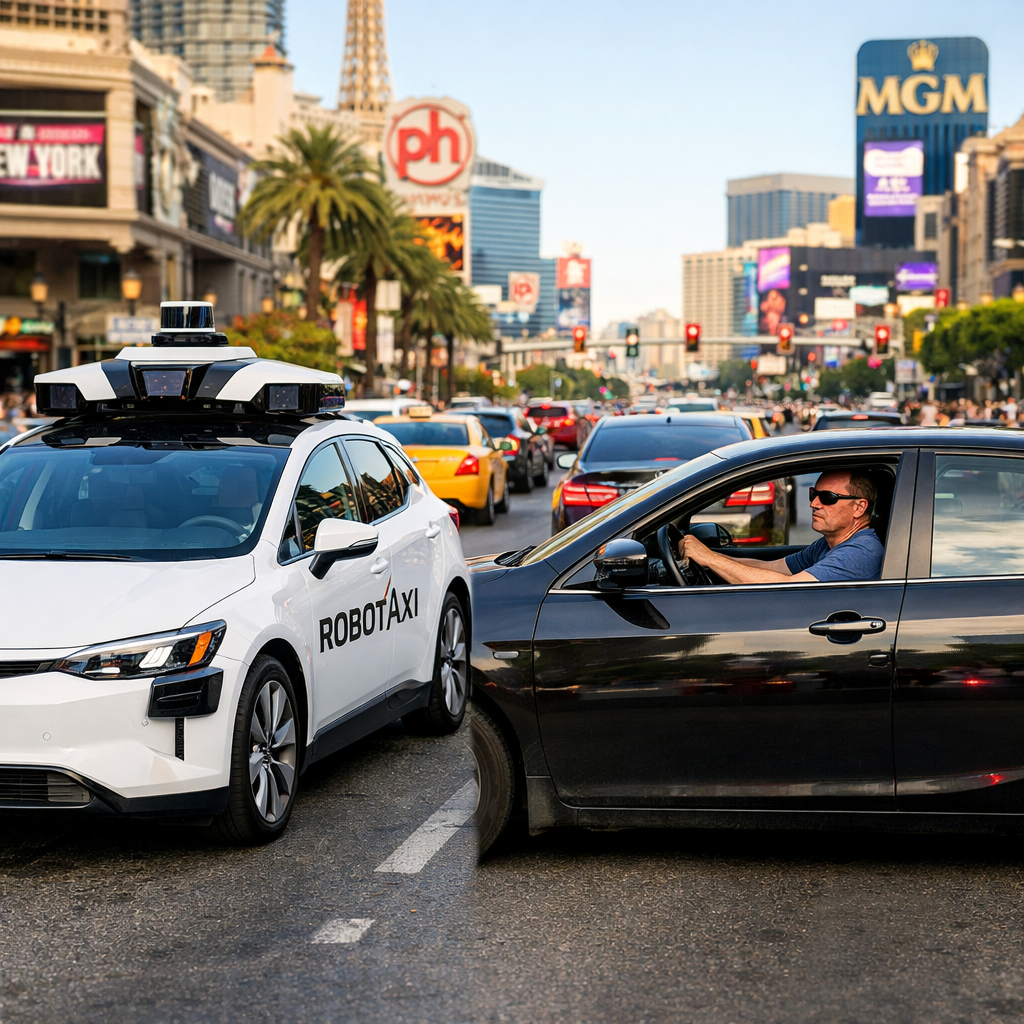
Las Vegas: Collision of Human Ride-Hailing and Robotaxis
In a pivotal move, Uber has integrated Zoox robotaxis into its Las Vegas platform, while Motional’s fully driverless fleet (removing human safety drivers) is set to follow shortly. When that happens, it will mark the first time in the U.S. where Uber offers rides via two purely driverless partners.
Riders in Vegas can already be matched with robotaxis—with a Zoox vehicle or Motional unit—though they cannot yet explicitly select them from the app. That’s expected to change once availability and reliability are proven. Eventually, Uber plans to offer a dedicated autonomous ride option among its tiers.
This shift turns Las Vegas into a real-world A/B test: What will consumers prefer when given the choice—human drivers or driverless vehicles? Cost, wait time, and perceived safety will undoubtedly weigh in. Meanwhile, this opens up complex tensions with labor organizations, particularly for drivers whose livelihoods may be affected.
Key Metrics Beyond Total Vehicles
One critical comparison is the volume of commercial, rider-only miles, which Waymo reports in the hundreds of millions. These numbers reflect how often robotaxis are truly operating without safety drivers and carrying fare-paying passengers.
Efficiency also matters—metrics like driverless miles per vehicle and total empty travel (“deadheading”) show how well a fleet is being utilized. These efficiency gaps remain an area where Waymo maintains an edge. Tesla’s rapidly expanding fleet may catch up in numbers, but ramping up real world usage is a different challenge.
Analysis:We’re entering a decisive phase for autonomous mobility. Fleet counts hit headlines, but what will define success is consistent, reliable performance on the road—how many miles travelled, rides completed without human oversight, and passengers satisfied. Las Vegas may become the first major testbed for consumer preference: robotaxi or human driver. Watch for Uber’s upcoming autonomous ride tier, and whether consumers will embrace robotaxis when given choice. For Tesla, scaling the fleet is one thing. Delivering dependable, rider-only experiences is another.