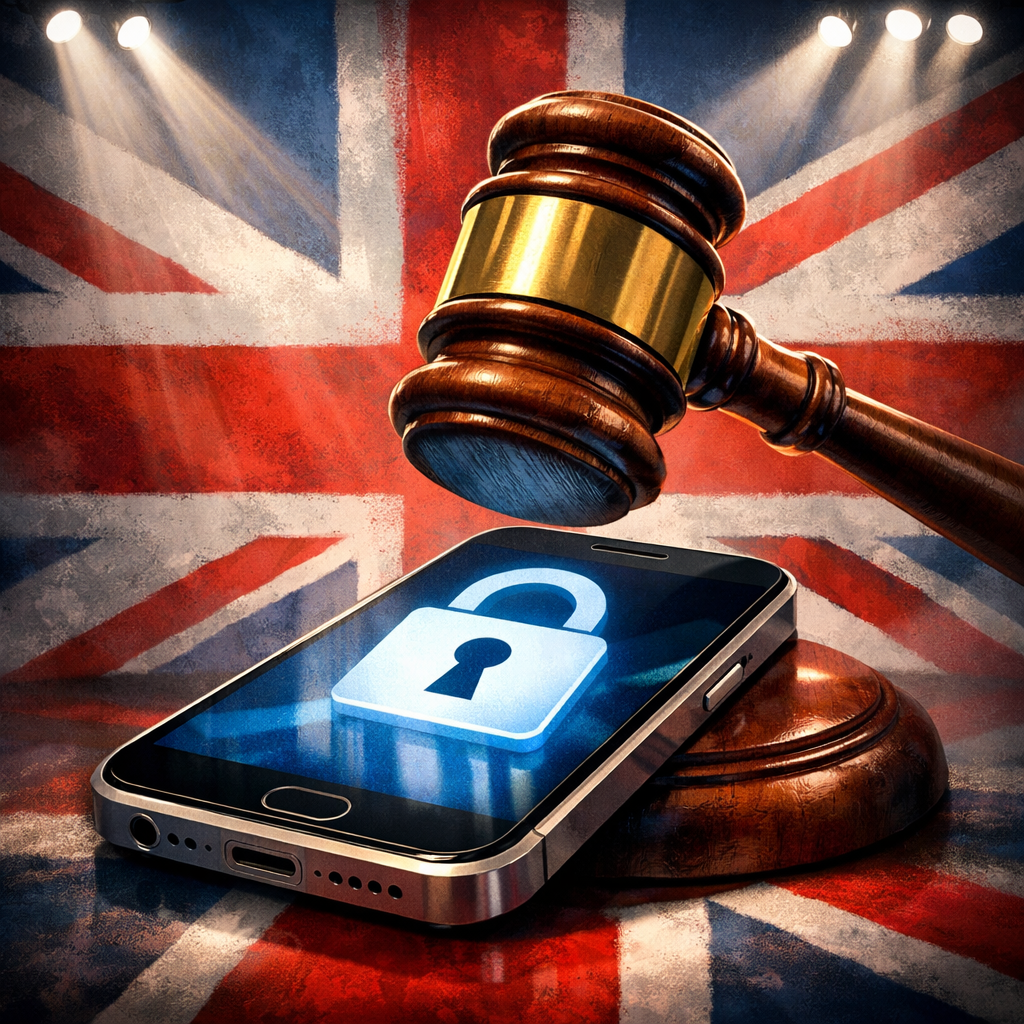
In a landmark decision, the UK Investigatory Powers Tribunal has forced the government to publicly acknowledge it issued an order demanding that Apple build a backdoor into encrypted iPhone data. The tribunal sided with Apple, overturning efforts to keep the demand secret under national security pretenses.
How the Order Came About
The UK government first attempted to compel Apple to grant access to its encrypted user data as far back as 2016. More recently, in 2024, legislation was amended to allow the government to issue such orders in secret. Under these laws, authorities can issue a Technical Capability Notice (TCN), compelling companies to create access to encrypted communications. This 2024 change not only widened the legal scope but also explicitly prevented companies from disclosing the orders they receive.
The Home Office issued one such TCN to Apple, which if complied with, would have permitted access to encrypted data on a global scale. Apple resisted, appealing to the Investigatory Powers Tribunal for a decision on whether the government could both require the backdoor and keep that requirement hidden.
Tribunal’s Ruling and the Government’s Claims
The tribunal ruled in Apple’s favor, declaring that the Home Office’s effort to suppress information about the TCN was unjustified. The government had argued that publicizing the demand would pose national security risks. However, the tribunal found that these risks were not substantiated. Further, it pointed out that several actions—government discussions with US officials, press leaks, and departures from nondisclosure norms—all indicated the order was already widely known in some form.
After the ruling, the UK Home Office admitted that it had indeed issued the TCN. The statement emphasized that the government claimed its intention was to enable law enforcement to address serious crime. It also said its powers are bound by safeguards and asserted that it never accesses company communications systems or data directly. A date has yet to be set for when the case will resume in court, but much of the proceedings will now take place openly.
Why It Matters: This decision has far-reaching implications for privacy, encryption, and government transparency. It challenges laws that permit secret governmental orders to technology firms, shining a spotlight on the balance between public safety and civil liberties. For tech companies worldwide, its repercussions may affect how governments regulate encrypted services. And for users, it’s a reminder that strong encryption can still face legal challenges—and transparency isn’t a given.