Voyage Labs, a travel planning startup founded by a former Google Maps exec, has secured $12 million in seed funding to bring its AI-powered travel assistant, Atlas, to life. The round was led by Kleiner Perkins, with contributions from SignalFire and SV Angel. Funds will be used primarily to grow supplier relationships and scale out the engineering team.
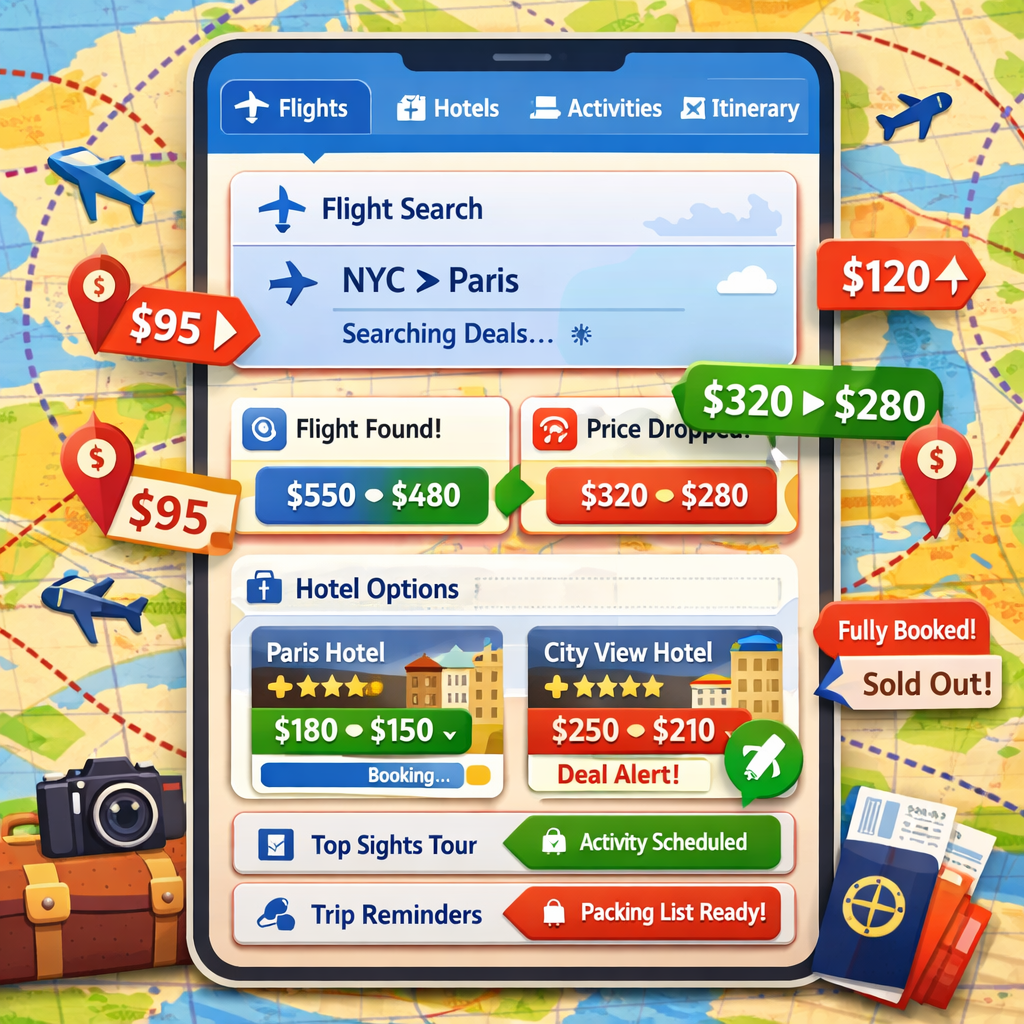
Atlas is currently in private beta, and promises to guide users from the moment inspiration strikes through booking and return. Instead of simply generating flights or hotel options, it aims to sit alongside a traveler through the decision process—offering ideas, conducting research over time, tracking price shifts, and handling bookings. The product is built to support long-term trip planning, not just one-off tasks.
Why Travel Needs a Dedicated AI Agent
Travel planning isn’t like writing an email or setting a reminder—it’s a project with a lifecycle. It starts with brainstorming weeks—or sometimes months—before departure, moves through comparing options, and ends with booking and managing logistics. Voyage Labs’ leaders believe that general-purpose AI assistants aren’t optimized for these extended timelines and complex decision paths. Atlas is built specifically for this purpose.
Founders say that having a specialized vertical for travel and outdoor experiences is essential. While multipurpose agents are powerful, there’s a gap in tools deeply tuned to the nuances of trips: real-time pricing changes, evolving user preferences, and coordinating multiple components—from flights and hotels to itineraries. The team thinks travel’s scale and complexity warrant full attention.
Founders’ Expertise & Market Position
Voyage Labs’ CEO, Manik Gupta, previously oversaw product management at Google Maps and served as Chief Product Officer at Uber. CTO Yogesh Jain co-founded the company alongside Gupta and emphasizes that the long-duration nature of trip planning aligns well with the emerging category of “long-running agents”—AI designed to engage over extended interactions.
But guarding ground won’t be easy: generalist AI assist tools like Muse and Gemini—among others—are working to include travel planning use cases in their platforms. To win, Atlas will have to offer enough specialization and niceness to draw people away from those broader tools.
Voyage Labs has opened up its private beta to early testers. The startup plans to use the fresh capital to deepen integrations with travel suppliers, sharpen its recommendation algorithms, and expand its engineering capacity so Atlas can deliver a polished experience.
As AI agents evolve, vertical-focused products like Atlas may provide a sharper user experience than jack-of-all-trades assistants. If Voyage Labs succeeds, it could indicate that specialization—especially in complex, multi-phase domains like travel—is where AI’s next wave of value lies. Everyday users should watch how Atlas distinguishes itself: by how intuitive it feels, how accurate and timely its recommendations are, and how seamlessly it integrates bookings and real-world logistics.