Apple is shaking up how it builds its next major operating systems—iOS 28 and macOS 28. Sources close to Apple’s internal process reveal a shift in the timeline for feature development and integration across its three-stage release cycle, offering more time for innovation up front before locking things down. The change, reported in Mark Gurman’s “Power On” newsletter, reflects feedback from engineers seeking greater flexibility and creative room during early development.
Longer Coding, Shorter Convergence
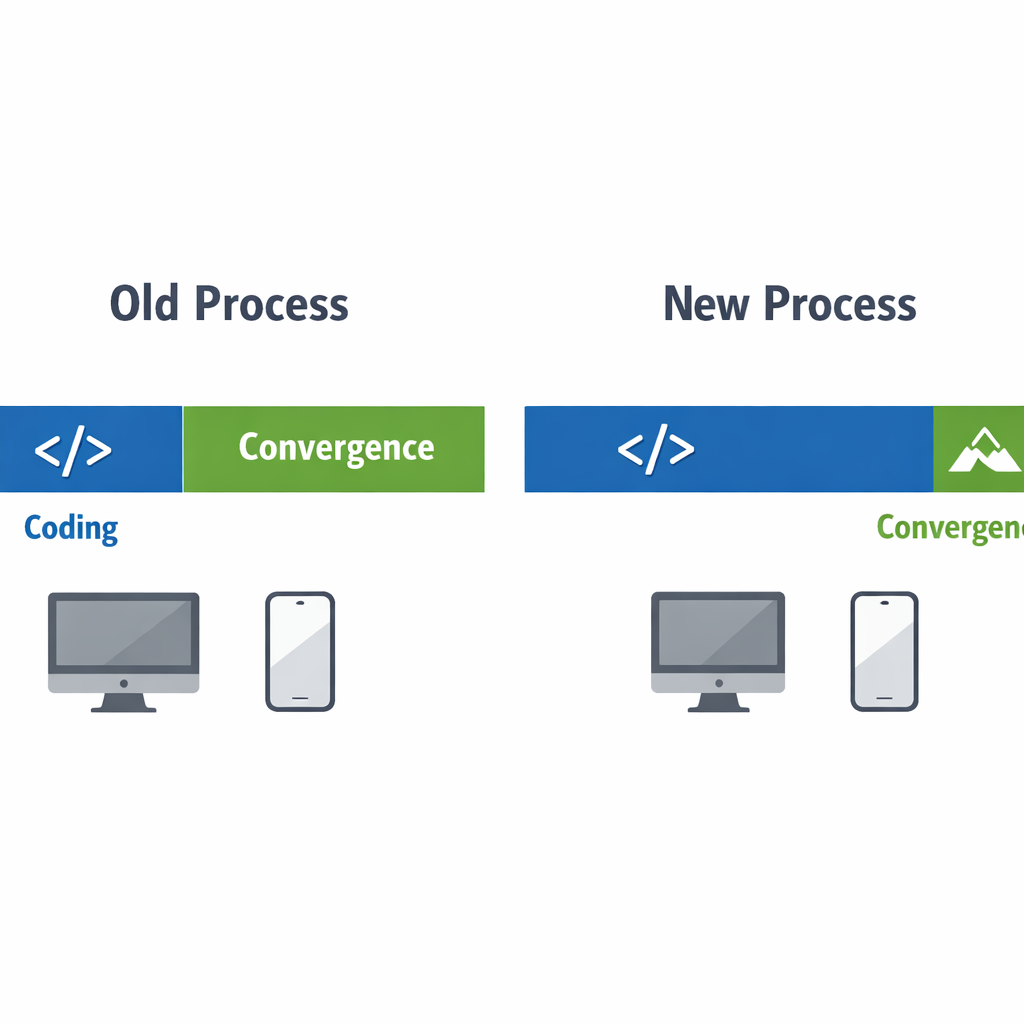
Previously, Apple’s annual development process for flagship OS releases operated in three stages. Each stage included four weeks dedicated to coding and feature creation, followed by a four-week “convergence” period where progress is merged and refined. Under the new approach, the first stage has been altered: it now consists of six weeks of coding and exploration before just two weeks of convergence.
This adjustment reportedly gives developers more breathing room to explore ideas, experiment with features, and iterate without the pressure to freeze code too early. It marks a departure from the more rigid four-week code-plus-convergence split that’s been the norm until now.
Timeline & Release Windows Remain
The revised process doesn’t change major dating: the public beta of iOS 28 is still expected in June of next year, with the full release arriving in September. There’s no word yet on specific features—nothing concrete has leaked about what iOS 28 or its macOS counterpart will include, under this new workflow.
Engineers who’ve reacted positively to the change say it better matches creative cycles, allowing more exploration in the early stages before committing to a stable feature set. That’s the tradeoff: more time for ideation, less time for merging before locking in features for testing and release.
For end users, this could translate to more interesting experiments early in beta builds, perhaps better polish where it counts—and fewer surprises when beta features are suddenly cut late in development.
While Apple often tweaks its internal engineering methods behind the scenes, this shift feels meaningful. It’s not just about calendars—it’s about unlocking more innovation and reducing last-minute scrambling. What to watch next: whether this change improves stability or feature delivery, and if it continues into development cycles beyond iOS 28/macOS 28.