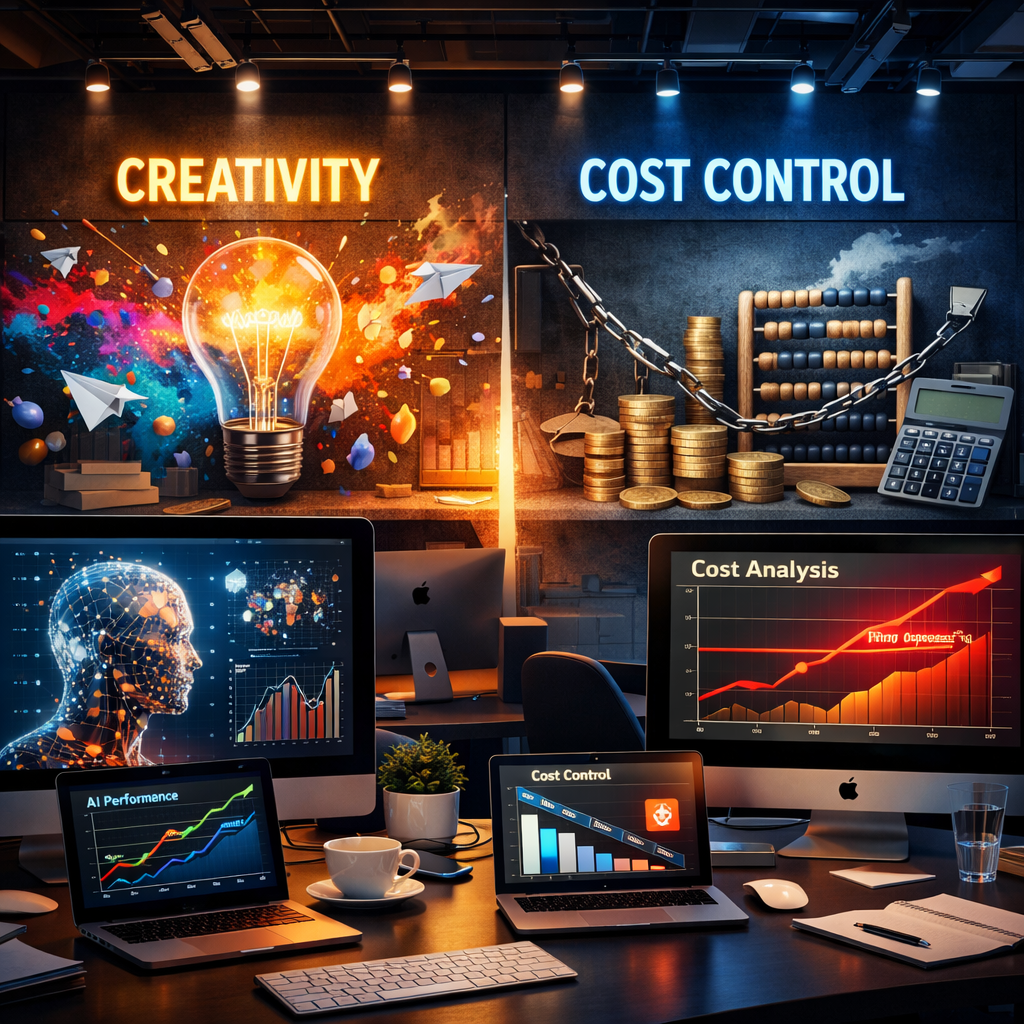
Apple is trimming how much its teams can spend daily on AI tools amid concern that the expenses of running internal AI infrastructure are outpacing the gains it delivers. Engineering groups were limited in October to a $200/day cap, down from $300/day, and certain teams may soon be restricted to as little as $100/day. For non-engineering teams, limits could go even lower—some are facing caps near $25/day.
Why the cutbacks?
Earlier this year, many tech companies—including Apple—urged staff to embrace AI across workflows, often under vague goals of boosting efficiency. That push led to high spending, especially on tokens and computation, which must now be reined in as costs bite down. Internal metrics reportedly show that the return on investment for these AI initiatives isn’t always clear enough to justify the unrestricted budgets.
What’s changing internally
The reductions first hit Apple’s engineering divisions, but the ripple is spreading. Some internal tools and AI-based features that were once freely used or lightly supervised are now being subject to tighter controls. Daily usage limits are part of this effort; teams will be forced to ration access to high-cost AI services, with priorities given to critical use cases.
This development comes at a time when many companies are reassessing AI spending strategies, balancing investment with realistic projections for productivity, quality, and cost. Apple’s moves mirror broader industry shifts toward efficiency over quantity in AI deployments.
Context: Apple has invested heavily in AI across its ecosystem—research, on-device intelligence, and cloud-based tools tailored for internal use. Up to now, its strategy tolerated looser spending limits, betting that scale and ubiquity would drive benefit. But high operating costs—both in financial and environmental terms—are forcing tougher decisions.
Apple’s internal stance on AI has often emphasized user privacy, hardware acceleration (via silicon like its neural engines), and tightly coupled software-hardware performance. Cutting daily spend caps may force teams to design smarter prompts, minimize redundant usage, or build models that are more efficient—possibly slowing innovation, at least temporarily.
Ultimately, Apple’s tightening of spending on AI marks a turning point. It suggests the company is shifting from phase one—”use-it-all” experimentation—to phase two, where sustainable economics, value measurement, and strict oversight take center stage. What to watch next: how these caps impact internal product timelines, whether engineering teams push back, and how Apple balances cost discipline with continued AI ambition.