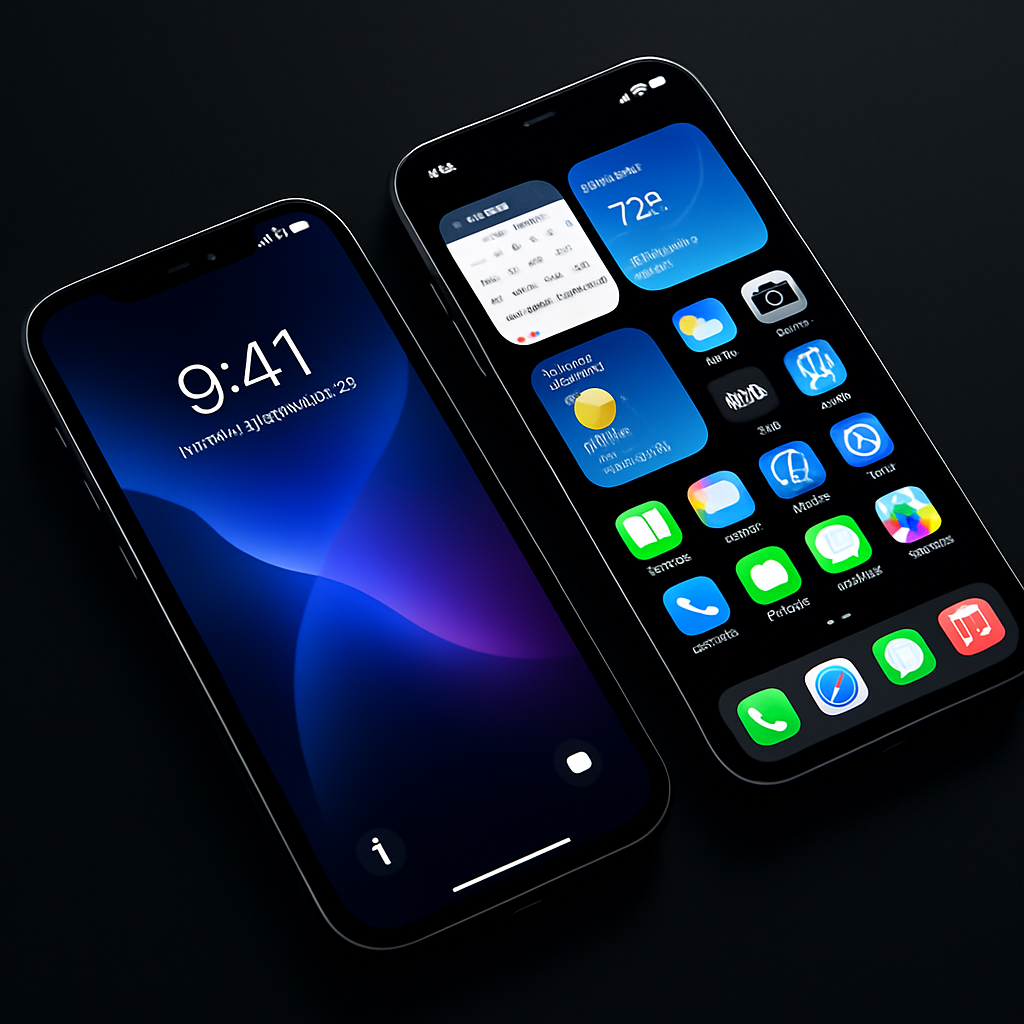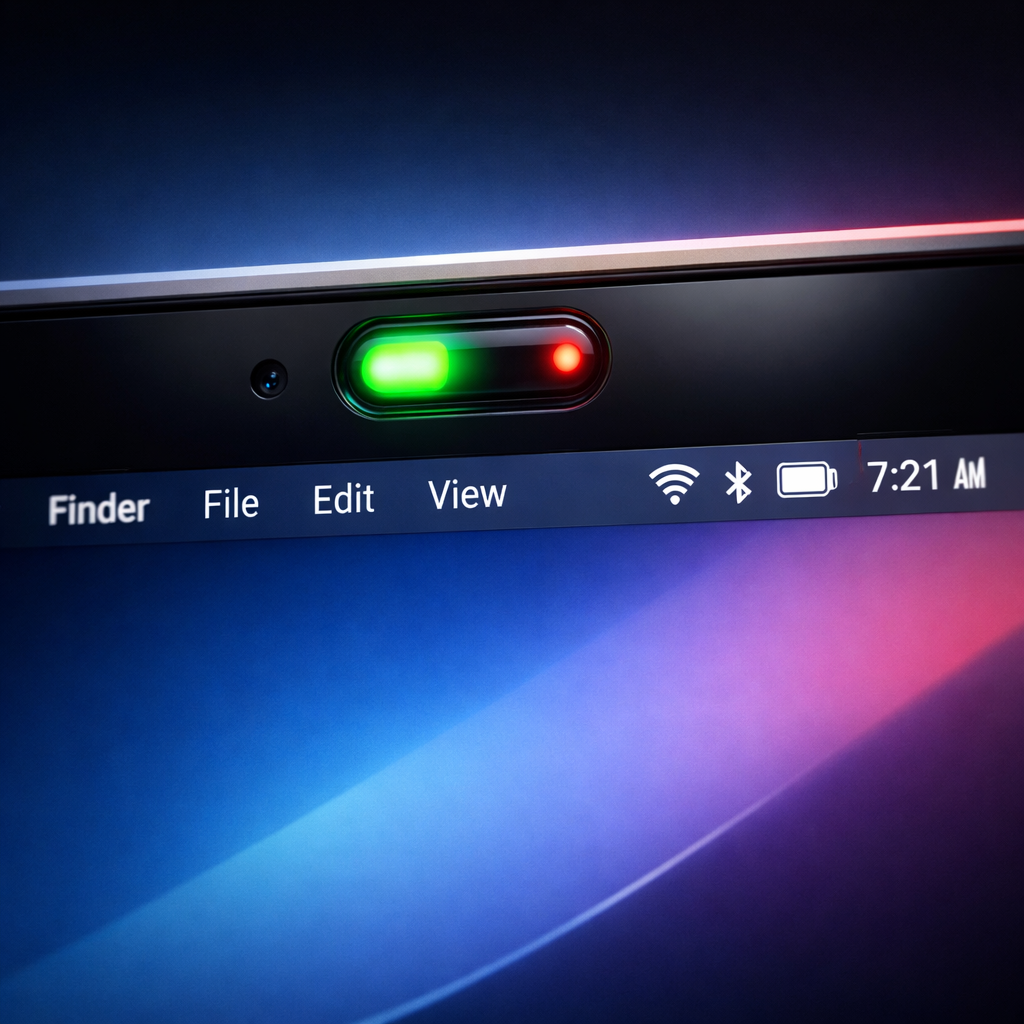
After months of anticipation, macOS 27 Golden Gate may be offering its clearest nod yet to a Dynamic Island-style component coming to MacBook Pro. Assets found in macOS 27 reveal five pill-shaped indicators in the system interface, suggesting Apple is preparing a dedicated “system aperture” similar to the Dynamic Island on iPhones.
What the Code Reveals
Mac asset discovery tool pdfu has uncovered small capsule-shaped UI elements in macOS 27 that resemble the Dynamic Island’s style. These compact views correspond to actions such as AirPods connecting, Focus mode activation, noise cancellation status, low battery warnings, and automatic switching between audio outputs. The assets suggest Apple is setting up a permanent or conditional UI space (a “pill”) in the menu bar to house these indicators.
The code connects these views to a new system process called MenuBarAgent. Analysis shows MenuBarAgent is tied to functionality that could enable a Dynamic Island-like cutout or at least a dedicated zone in the MacBook’s display—possibly replacing the notch that has been part of MacBook Pro’s design since 2021. Alongside these pill indicators, there is reference to a “system aperture” where future features like Siri AI may reside in a droplet-shaped design.
Touchscreen MacBook Pro: Closer Than Ever?
The timing of these assets aligns with reports that Apple is poised to unveil new touchscreen MacBook Pro models imminently. These machines are expected to introduce OLED displays with touch input before the end of October. The introduction of pill-shaped status indicators and MenuBarAgent UI hints strongly that macOS is being reworked to support a touch-adapted interface—including a Dynamic Island‐like system which handles system status, notifications, and possibly Siri interactions.
Existing features in macOS 27 back this shift. For example, touch interface adjustments have been uncovered in apps like Calendar and Finder in recent betas—elements like resize handles and spacing adjusted for finger control—indicating preparation for broader touch optimization. MenuBarAgent has been confirmed to be running as a system process in macOS 27, managing the menu bar layout and integrating with Control Center and status items in a tighter, more refined way.
What We Don’t Know Yet
It’s still uncertain whether this “system aperture” will involve an actual physical cutout in the screen or be implemented purely via software. Also, there’s no confirmation yet of how deep integration goes—whether third-party apps will be able to send content into these pill-areas, or if sleek live activities or interactive widgets are in the cards. Information about how this will affect battery life, display uniformity, or user workflows is also still hypothetical.
Still, the discovery of MenuBarAgent and pill-styled status views is a big architectural change. It reflects a deliberate shift toward macOS adapting more iOS-style interface behaviors—Dynamic Island being one of the most visible examples.
What this means:Apple appears to be transforming the menu bar from a static set of icons and signals into a dynamic, context-aware UI element. If touch‐enabled MacBook Pros launch as expected, this system aperture could become a touch focal point—displaying status, notifications, alerts, and voice-AI interactions in real time. It’s worth watching how Apple balances visual polish, usability, and system performance once users can touch, tap, and rely on these indicators in daily use. The arrival of this feature could mark one of the biggest UI shifts in recent macOS history.