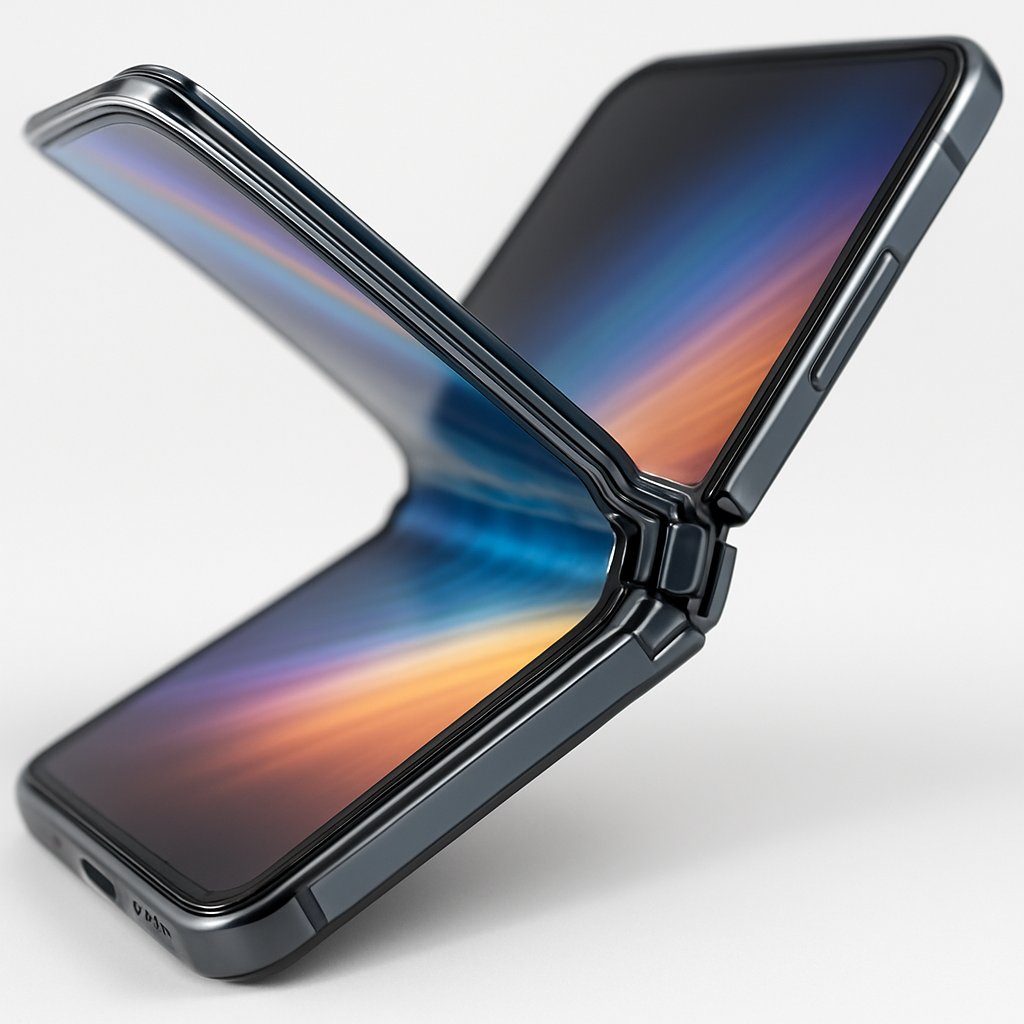
When Apple unveiled the iPhone Duo earlier this year—a foldable device boasting a flexible screen—the tech world buzzed about who actually builds that display. Samsung’s role soon came under fire, with rumors suggesting Apple simply “used a Samsung display.” In a recent interview, Apple’s display and hardware leads set the record straight.
Collaboration, not delegation
The display engineering team—including VP of Hardware Engineering Rich Dinh and Senior Director of Display Technology JP Guillou—shared that Apple initiates every design component, whether that’s the hinge, enclosure, chip, or display, grounded in an internal purview of what the user experience requires. Manufacturing partners, such as Samsung, help bring those concepts to life—but only after Apple has defined exactly what it wants. Every foldable screen Apple needs for the iPhone Duo is custom-made to Apple’s specifications. According to the execs, there’s no shelf of pre-made display panels that get picked off a rack. Each one starts from scratch, refined down to the nanometer.
Samsung’s contribution and Apple’s control
While Apple works with “incredible manufacturers” like Samsung, the executives emphasized that vendors don’t contribute off-the-shelf solutions to the Duo’s design. The display is shaped by Apple’s design standards before it starts “existing” at Samsung’s facility—meaning no pre-cooked components, only co-developed builds factored by extremely tight tolerances and compliance requirements. Apple’s team oversees these stages closely to ensure the final product lives up to their performance, durability, and design expectations.
The interview also touched on several other technical decisions: how Apple engineered the Duo for durability, the inclusion of an under-display camera on the folding screen, and how Apple’s design philosophy applies across products. But the display conversation was central. The message was clear: Apple doesn’t just assemble partners’ work—it engineers, designs, and mandates every major component, even if Samsung manufactures it.
Why this matters: When working with display foundries, there’s often a misconception that brands buy finished displays. Apple’s approach here draws a line between manufacturing support and product ownership. By designing the display architecture and technical specifications themselves—and commissioning Samsung only to build to those exacting standards—Apple positions itself as the intellectual and engineering force behind every part of the iPhone Duo.
Bottom line: Yes, Samsung builds the folding screen for the iPhone Duo. But Apple doesn’t simply take a display and plug it in. From the ground up—from hinge mechanics to display panel—every specification is Apple’s own. What we’re seeing is a refined version of partnership: manufacturing muscle serving intensely detailed design control.