Apple’s much-anticipated internal home security camera won’t arrive this year, despite recent speculation. The company continues to develop a privacy-first camera and sensor system expected to launch in 2027, confirmed by Bloomberg’s Mark Gurman. Apple’s upcoming lineup with LG—which includes video doorbells, indoor and outdoor cameras, a thermostat, and a smart lock—is entirely separate from this in-house project.
What Makes Apple’s Home Camera Different
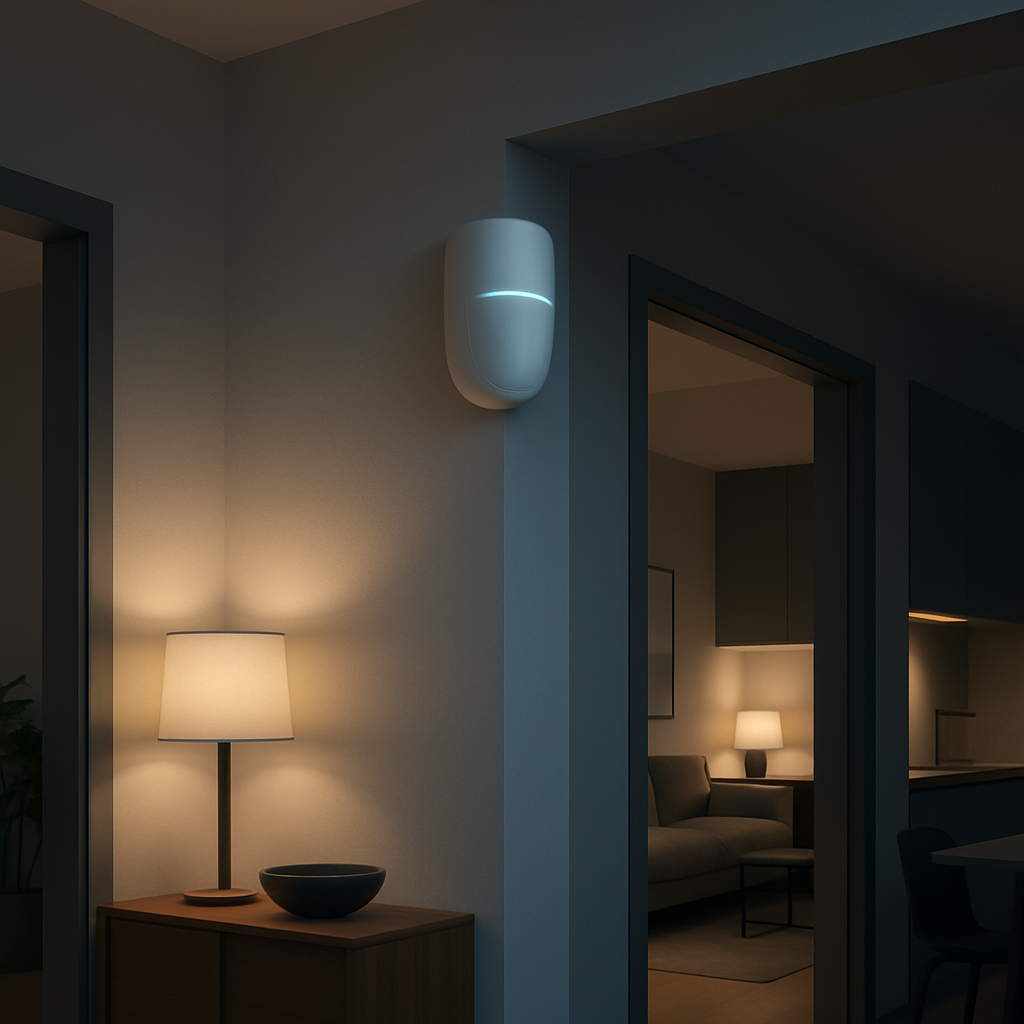
The project Apple is leading internally won’t simply record video. Instead, it will use artificial intelligence to analyze environments and determine which room someone is occupying—anticipating threats without needing constant video footage. This design prioritizes privacy in line with Apple’s long-standing public messaging.
Meanwhile, the LG-branded smart home gear co-developed with Apple is farther along. That lineup includes a video doorbell, deadbolt lock, thermostat, and both indoor and outdoor cameras. It’s expected to ship several months before the privacy-focused camera arrives.
Timeline and Strategic Significance
The AI-enabled security system from Apple first surfaced in reports in September 2026, placing the in-house device’s launch sometime in 2027. By contrast, LG’s devices are anticipated much earlier.
Apple’s approach reflects a broader push across tech toward less invasive security tools: using sensors and AI to alert users without exposing them to continuous video surveillance. It also reduces cloud storage and bandwidth needs. This marks a potential pivot for Apple in how home security is designed.
For consumers, that means two Apple-made security product tiers will coexist: one with traditional video capabilities under LG branding, and a second, privacy-centric model handled entirely by Apple’s internal teams. Expect the former in late 2026 or early 2027, and the latter later in the year.
This development could shake up both manufacturers and consumers. If Apple succeeds with its AI-only model, it may set a precedent for home security moving forward—and press competitors to re-evaluate how they balance camera functionality with privacy. Buyers will want to pay close attention to features like edge AI processing, motion detection granularity, and data handling policies. The privacy-first angle isn’t just marketing—it may define the future of smart home security.