Cybercriminals are intensifying their efforts to compromise macOS systems by deploying over 250 deceptive domains designed to distribute the Atomic Stealer (AMOS) malware. These domains employ a social engineering tactic known as ClickFix, which manipulates users into executing malicious commands on their devices.
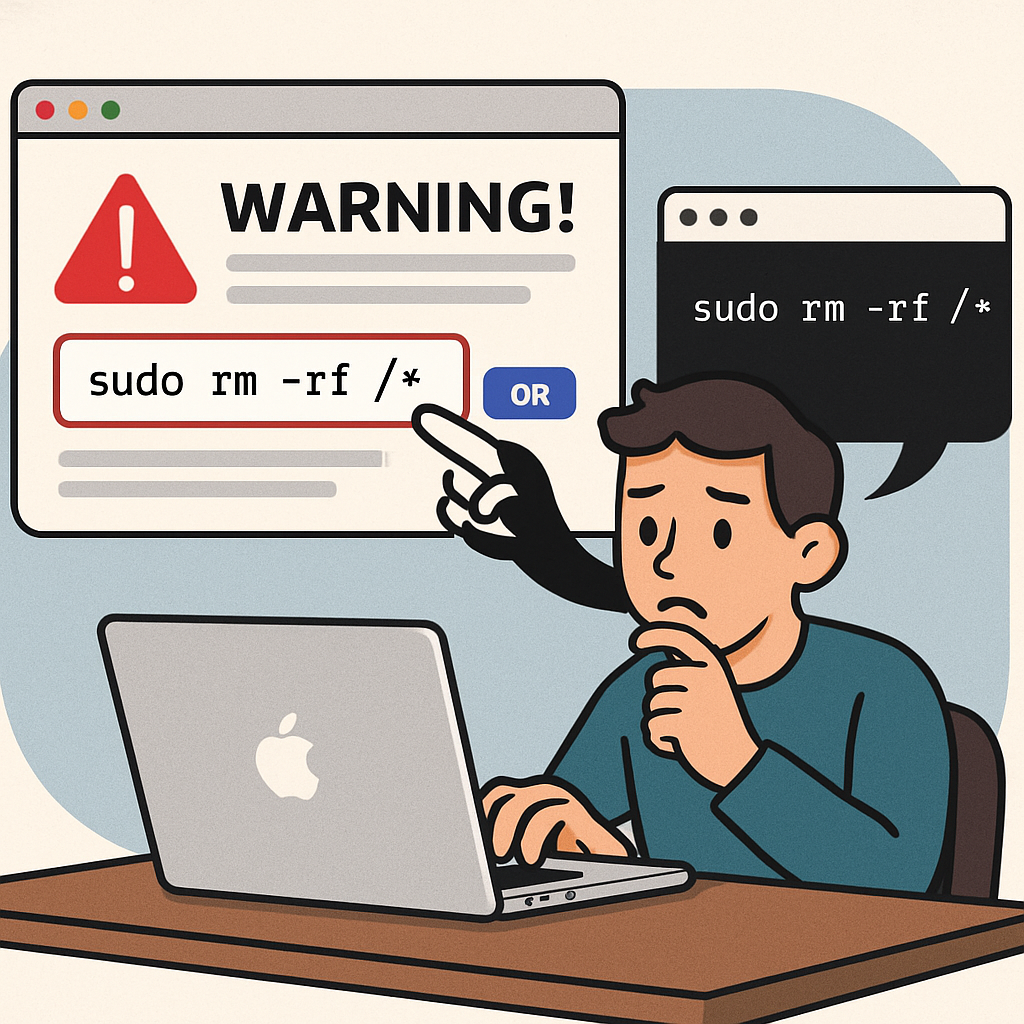
ClickFix attacks exploit user trust by presenting seemingly legitimate prompts, such as download verifications or CAPTCHA checks, that instruct individuals to paste specific commands into the macOS Terminal. This method relies on user interaction rather than exploiting software vulnerabilities, making it particularly insidious.
Recent analyses have revealed that these malicious domains utilize browser fingerprinting techniques to selectively target victims. By assessing various browser attributes—including platform type, display settings, language preferences, and WebGL information—the attackers can distinguish between genuine macOS users and security researchers or automated analysis tools. This selective targeting complicates detection efforts and allows the malware to evade traditional security measures.
Upon successful execution of the provided Terminal command, the attack initiates a sequence that downloads and installs the AMOS malware. Once installed, AMOS is capable of exfiltrating a wide range of sensitive information, including browser credentials, stored passwords, cryptocurrency wallet data, authentication tokens, and other personal files. This data is then transmitted to attacker-controlled servers, posing significant risks to both individual users and organizations.
The infrastructure supporting this campaign is extensive, with over 250 domains identified. Many of these domains incorporate the word “file” combined with common dictionary terms, creating names that resemble legitimate cloud storage or file-sharing services. Examples include filecopperbasket, filevelvettractor, and fileoceanhammer. This naming convention enhances the credibility of the malicious sites, increasing the likelihood that users will trust and interact with them.
To further obfuscate their activities, the attackers have implemented server-side fingerprinting mechanisms. These mechanisms collect detailed information about the visitor’s environment and behavior, enabling the server to deliver malicious content only to those who meet specific criteria indicative of a real macOS user. Visitors who do not meet these criteria are shown benign content or redirected to harmless decoy pages, thereby reducing the chances of detection by security researchers and automated scanning tools.
Given the sophistication and scale of this campaign, it is imperative for macOS users to exercise caution when encountering prompts that request the execution of Terminal commands, especially those originating from unfamiliar or unverified sources. Organizations should educate their staff about the risks associated with such social engineering tactics and implement security measures to detect and prevent unauthorized command executions.
This development underscores the evolving nature of cyber threats targeting macOS systems. The use of extensive domain infrastructure, combined with advanced fingerprinting and social engineering techniques, highlights the need for continuous vigilance and adaptive security strategies. Users and organizations must remain proactive in their cybersecurity practices to mitigate the risks posed by such sophisticated attacks.