Google Chrome’s Device-Bound Session Credentials: A New Era in Cybersecurity
In a significant advancement for online security, Google has officially launched Device Bound Session Credentials (DBSC) in the Chrome browser on Windows. This feature is now generally available, providing robust protection against the pervasive threat of session cookie theft.
Understanding the Threat: Session Cookie Theft
Session cookies are small data files that websites use to remember authenticated users, facilitating seamless browsing experiences. However, these cookies have become prime targets for cybercriminals. Malware, particularly infostealer trojans, often harvest these cookies to hijack active sessions. This method, known as a pass-the-cookie attack, allows attackers to bypass multi-factor authentication (MFA) and gain unauthorized access to user accounts.
Introducing Device Bound Session Credentials (DBSC)
DBSC addresses this vulnerability by cryptographically binding session cookies to the specific device from which the user authenticated. This means that even if a session cookie is stolen, it becomes ineffective on any other device. By rendering stolen cookies useless elsewhere, DBSC significantly increases the difficulty for attackers attempting to exploit session tokens.
Integration with Context-Aware Access (CAA)
Google has enhanced DBSC by integrating it with Context-Aware Access (CAA). This integration allows organizations to enforce more granular access policies based on device attributes, user behavior, and environmental signals. By adding an extra layer of verification beyond initial authentication, this combination strengthens overall security.
Monitoring and Administration
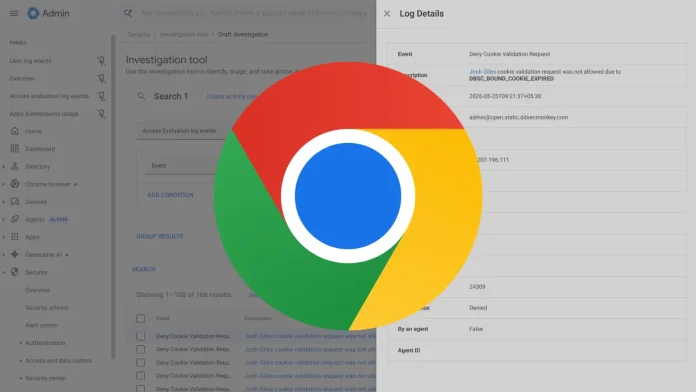
Workspace administrators can monitor DBSC binding events through the security investigation tool’s audit logs. This capability enables security teams to detect anomalies and track session integrity across their environment. Importantly, DBSC is active by default and cannot be disabled through the Admin console, ensuring consistent protection without additional administrative actions.
Rollout and Availability
Google began a gradual rollout of DBSC on May 25, 2026, covering both Rapid Release and Scheduled Release domains. The feature is expected to be fully visible within 60 days and is available to:
– All Google Workspace customers
– Workspace Individual subscribers
– Users with personal Google accounts
Implications for Cybersecurity
The introduction of DBSC represents a significant shift in post-authentication security. By extending trust verification throughout the session lifecycle, it reduces exposure to credential-based lateral movement and post-exploitation persistence techniques commonly used by advanced threat actors.
Conclusion
Google’s implementation of Device Bound Session Credentials in Chrome marks a pivotal advancement in cybersecurity. By binding session cookies to specific devices, DBSC effectively neutralizes the threat posed by session cookie theft, offering users enhanced protection against unauthorized access.