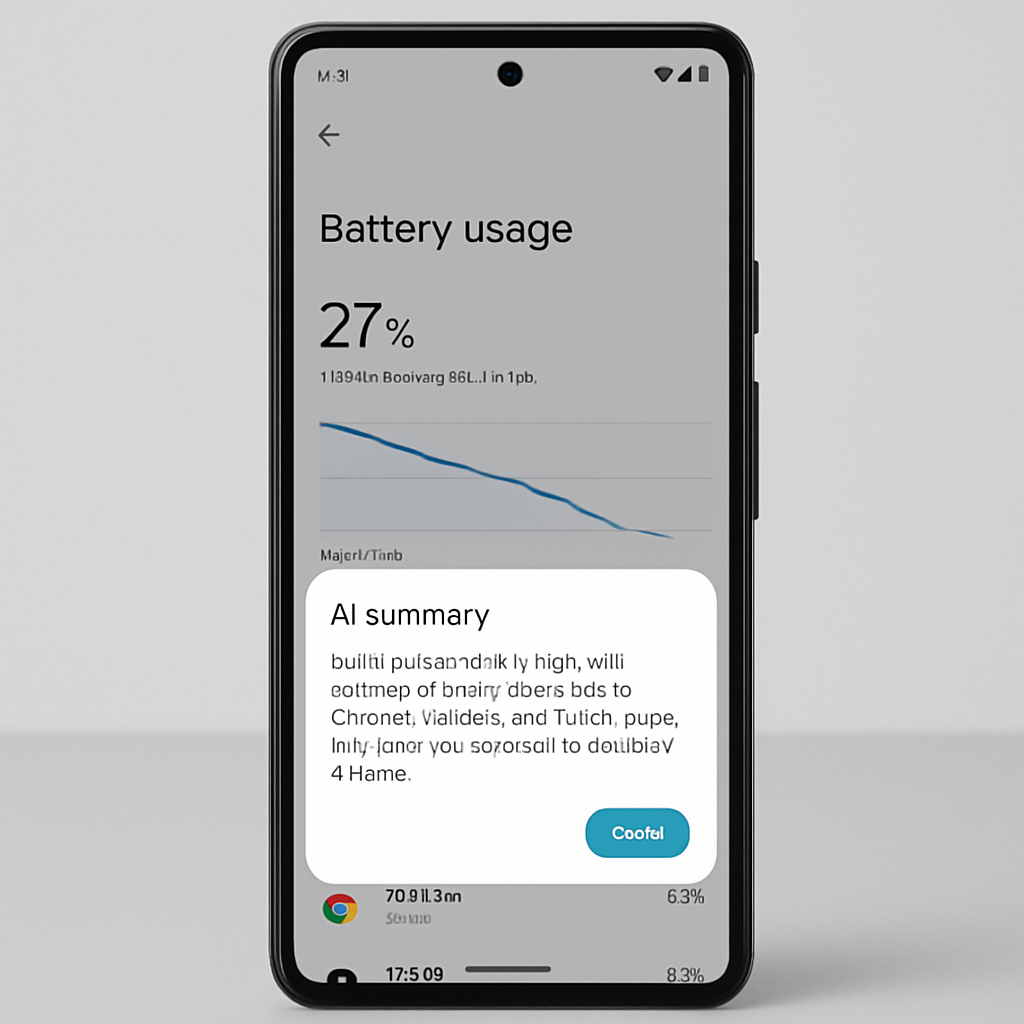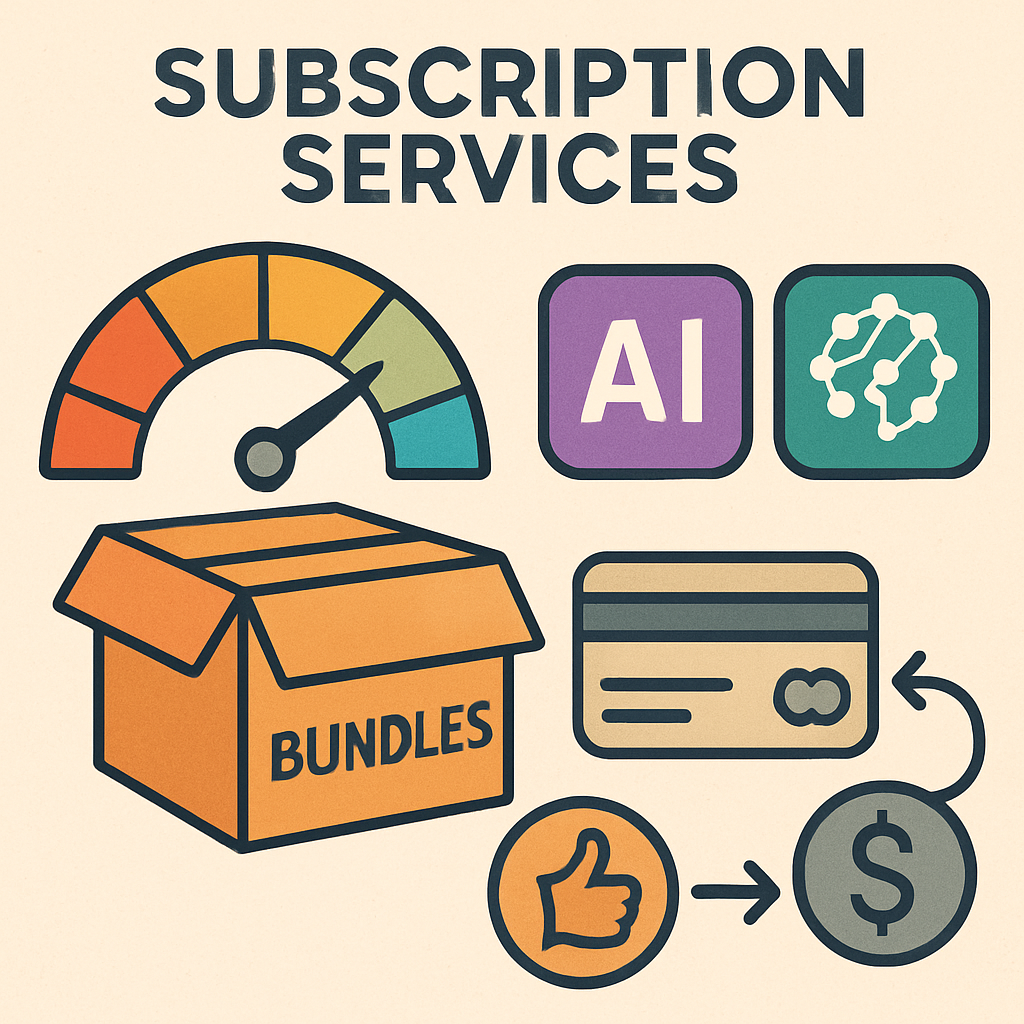
Google Play is rolling out a new subscription billing model that charges users based on their usage, a move aimed at better supporting generative AI apps and other services whose resource consumption varies over time. Dubbed “Usage-Based Billing,” this new option lets users prepay and track usage, with automatic top-ups when balances fall below a developer-specified threshold. It’s one of several subscription enhancements introduced today.
What Google is Changing
The update expands subscription flexibility with several major additions. First, Usage-Based Billing offers an alternative to flat monthly fees, billing customers proportionally to actual usage—ideal for apps offering AI features, metered compute, or consumption of service that fluctuates. Developers can set a minimum balance; when usage depletes it, the user’s balance auto-replenishes.
Other enhancements include:
- Multi-Quantity Subscription Purchase:Organizations such as businesses or schools can buy multiple subscription seats in one transaction, then assign them to team members or students.
- Mixed Carts:Developers can now combine auto-renewing subscriptions and one-time in-app purchases in a single cart, enabling bundled deals or incentives when users buy complementary items together.
- Cross-Developer Bundling:Apps can bundle subscriptions across different developers or from within the same developer portfolio. An example: a language-learning app and a travel-guide service bundled together at a discount.
Availability & Context
These features are being launched via Google’s Early Access Program, meaning they are in testing or gradual roll-out and not yet broadly available. Developers interested in the updated subscription offerings can apply to participate.
The shift responds to broader changes in app monetization. Traditional flat subscriptions work well when usage is predictable, but many modern apps—especially those using generative AI—consume server time, bandwidth or compute unevenly. Usage-based models align pricing with how much value users receive.
Previously, most Google Play subscriptions were fixed-price. Other platforms have in recent years explored “pay-as-you-go” options—usually in cloud or API billing—but less often in direct consumer app subscriptions. This puts Google in line with growing demand for more granular and fair pricing.
The company cites the rapid evolution of the subscription landscape, driven in part by generative AI and increasingly sophisticated app experiences, as fueling the need for new billing tools.
What to Watch: The success of usage-based pricing depends on transparency and trust: how clearly users understand what triggers charges, what usage metrics count, and whether auto-top-ups might lead to unexpected costs. Developers will also need to build UI and backend support to track usage and manage thresholds. For users, this could introduce more variable bills, which could be a pro or con depending on usage patterns.
Overall, Google’s subscription changes suggest a major shift in how digital services are billed, moving away from flat rates toward more usage-aligned models. As more apps include AI and metered backend costs, these new billing tools may become the norm.