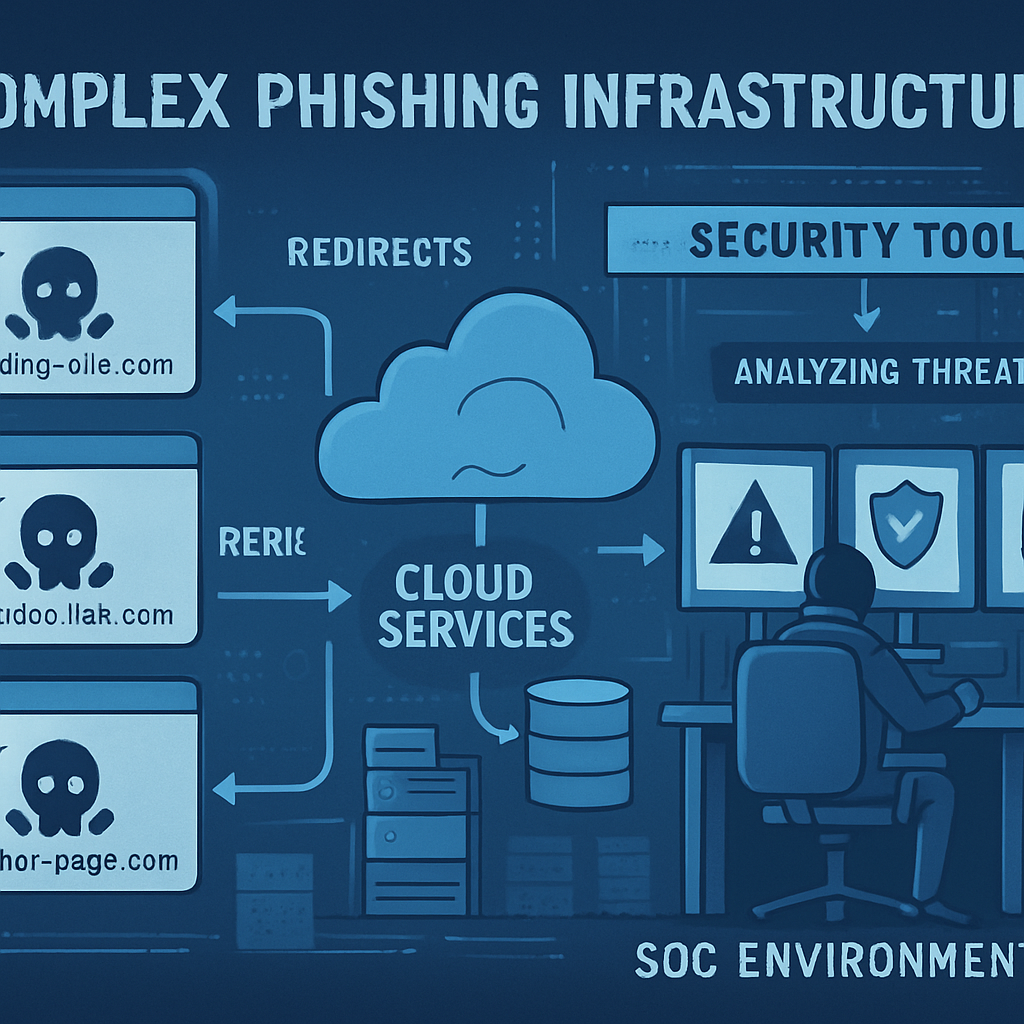
Phishing has evolved well beyond fake login pages in emails. Modern campaigns now hide malicious infrastructure behind newly registered domains, compromised sites, redirect chains, and even legitimate cloud platforms that seem trustworthy—each stage peeling back a layer of deception that renders old detection methods ineffective. For US-based SOCs (Security Operations Centers) and MSSPs (Managed Security Service Providers), catching these attacks early means more than blocking URLs—it’s about identifying the full infrastructure before it’s deployed.
The Complex Web Behind Today’s Phishing Attacks
Researchers have seen sharp rises in infrastructure that’s subtle yet sinister. OAuth device-code phishing spiked nearly 484% in the first half of 2026, illustrating how attackers misuse authentication flows. At the same time, abuse of cloud-based services rose by over 90%, as adversaries hide their tools in plain sight using trusted platforms.
Techniques designed to evade detection—like conditional behavior depending on the user, CAPTCHA spoofing, browser fingerprinting, and using compromised domains—allow attackers to blend in with normal traffic. That means a domain or IP could look clean yet be part of a wider campaign performing credential theft, remote access, or even identity fraud.
Why Earlier Detection Changes the Game
It’s not just the phishing page that causes damage—it’s what happens after someone clicks. A simple credential compromise might lead to account takeover, but that can cascade: session hijacking, remote control, or access to sensitive financial or executive-level systems. In one sweeping campaign intimately targeting US organizations, attackers simulated trusted services—Adobe, DocuSign, Zoom, Microsoft 365—and used phishing to trigger identity theft and remote access tools.
US organizations accounted for about 60% of victims and over half of the investigatory case submissions in that campaign’s study, spotlighting how heavily domestic entities are being targeted.
The Role of Threat Intelligence in Spotting Phishing Earlier
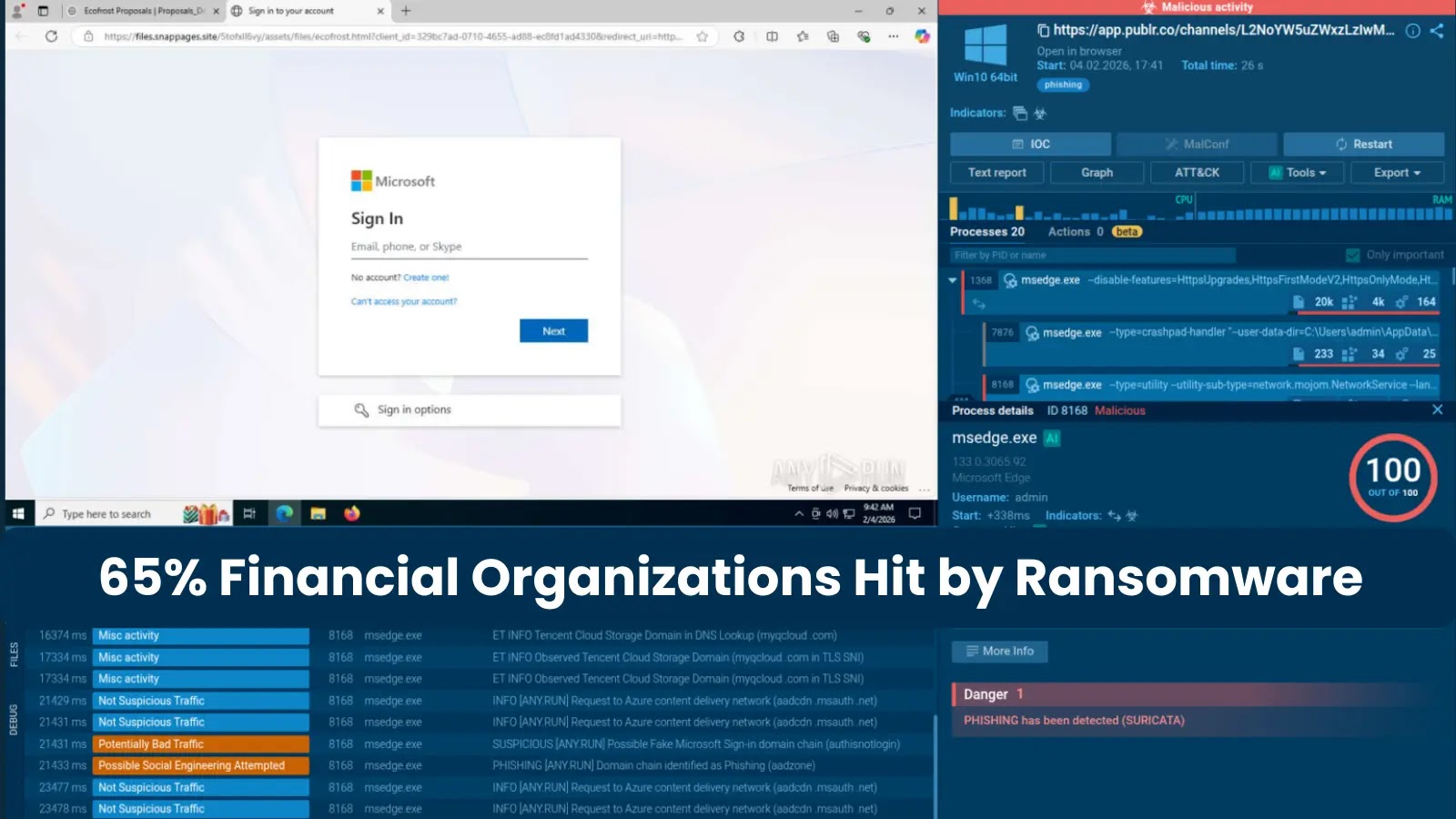
Threat intelligence enhances visibility by connecting individual indicators—domains, URLs, IPs—to broader infrastructure. It gives context to those suspicious elements early, before they reach users or are weaponized. Real-time tools like interactive sandboxes let security teams trace redirect chains, observe unexpected behavior, and detect indicators that purely static analysis might miss.
Continuous feeds of Indicators of Compromise (IOCs) are critical because phishing actors move fast. The fresh intelligence must integrate seamlessly with existing systems—email security, firewall/DNS controls, endpoint detection—to ensure alerts become actionable not just visible. Using threat feeds that are updated live and validated to provide high-confidence, unique indicators helps avoid noise and false positives.
Lookup capabilities allow analysts to dig into suspicious IOCs and uncover connections to past incidents, related domains, or campaigns. Tools supporting dozens of parameters—from hashes and file names to tactics, techniques, and procedures—can empower teams to triage alerts much faster.
In broader threat intelligence reports, patterns emerge—new phishing techniques, targeting trends, behavioral shifts. These reports can reduce mean time to respond (MTTR) by around 21 minutes, benefiting both analysts and overall security posture.
Integrating Intelligence: From Data to Defense
Threat intelligence isn’t a substitute for core security tools like email filters, multi-factor authentication, EDR, or DNS defense. Its power lies in enhancing those tools: enriching alerts, enabling hunts and investigations across environments, and refining detection rules.
Operational impact matters more than sheer quantity of threat data. Key metrics include how fast phishing alerts are investigated, previously unseen infrastructure identified, coverage of detection gaps reduced, and time between a phishing click and full response. When SOCs and MSSPs leverage intelligence to cut manual work and gain visibility, each alert becomes an opportunity to strengthen defenses broadly.
Phishing infrastructure evolves rapidly—attackers abandon domains, rotate IPs, use legitimate services. Without early, context-rich threat intelligence, many attacks slip through until after damage is done. For US organizations seeking to gain the upper hand, investing in live, behavior-based intelligence integrated into daily operations is no longer optional—it’s essential.