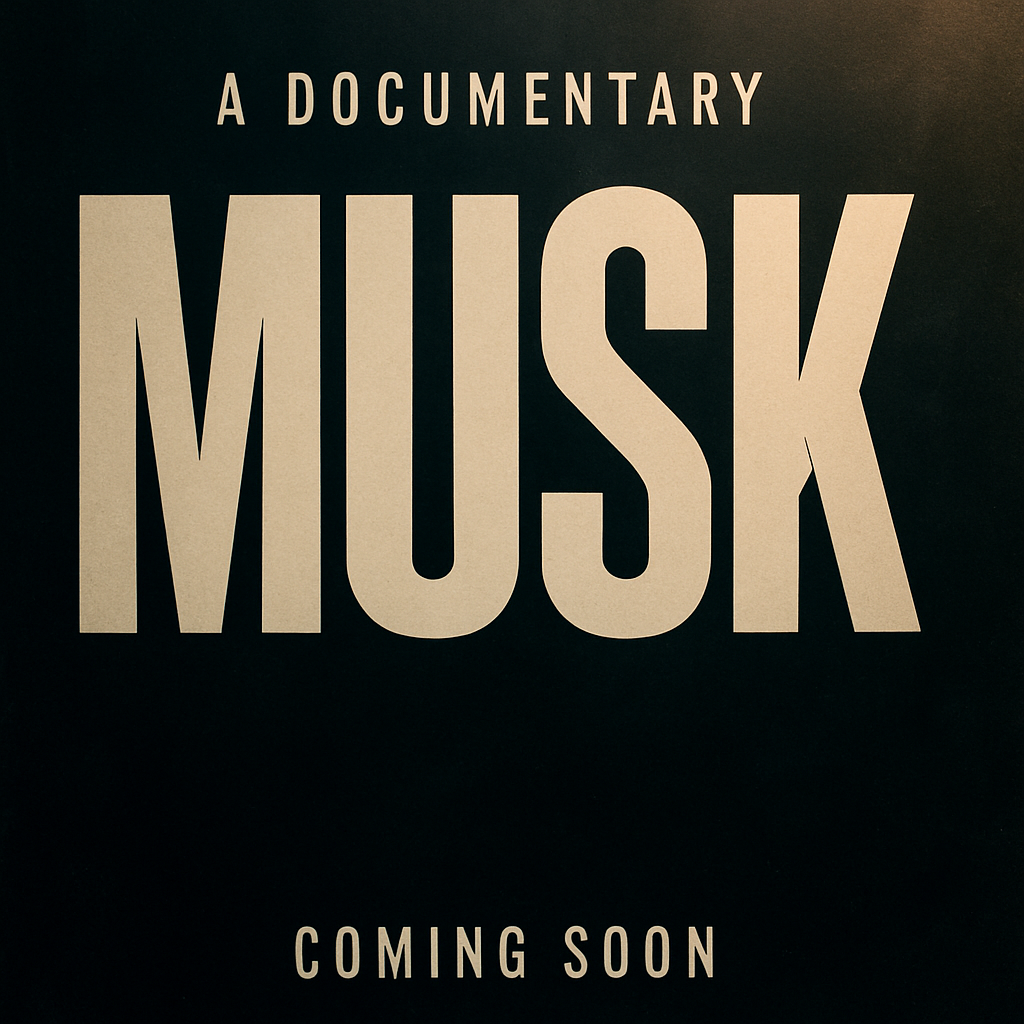
Meta has announced it will allow paid advertisements for Musk, the upcoming documentary directed by Alex Gibney, after initially rejecting them. The documentary’s trailer had been barred from Meta, YouTube, and TikTok under their political content policies, but Meta confirmed the ad ban was a mistake and that it is restoring ad placements. The decision unfolds just ahead of the film’s U.S. theatrical release.
Why the Ads Were Blocked
The trailer was denied by multiple platforms—including Meta, TikTok, and YouTube—under political advertising rules. This raised eyebrows, as Gibney’s film is a documentary rather than a campaign ad, distributed by Bleecker Street. It remains unclear exactly how the platforms interpreted the trailer as political content. The film has critical praise and a U.S. release date of October 9.
About “Musk” and Its Controversy
Directed by award-winner Alex Gibney—known for documentaries like Going Clear and The Inventor—Musk delves into Elon Musk’s technological ventures, political ties, and personal life. Among its interviewees are his ex-wife Justine Musk and Ashley St. Clair. The film has been widely praised by critics with near-universal reviews of approval and holds a “100% fresh” rating on Rotten Tomatoes.
Earlier reports indicated Universal Pictures was uncertain about distributing the film internationally, amid concerns over politicized backlash. Universal later affirmed it will proceed with theatrical releases overseas, although specifics are still being worked out.
An additional twist: Elon Musk openly criticized Gibney, suggesting the filmmaker and his work deserved disrespect. Musk’s reactions surfaced around the same time platforms said they would not run the trailer ads.
Meta’s reversal comes just days after initial rejection signals, suggesting internal processes—or misunderstandings—allowed the political ads policy to be applied too broadly.
What this means: The move underscores how policies around political content and platform advertising are still murky when it comes to documentaries. Platforms risk backlash both for allowing certain content and for censorship if they disallow it. For filmmakers and distributors like Bleecker Street, this means navigating rules that sometimes treat artistic works like political speech. Watch closely how these platforms clarify their definitions—and how those definitions affect creative expression and commercial promotion in the digital age.