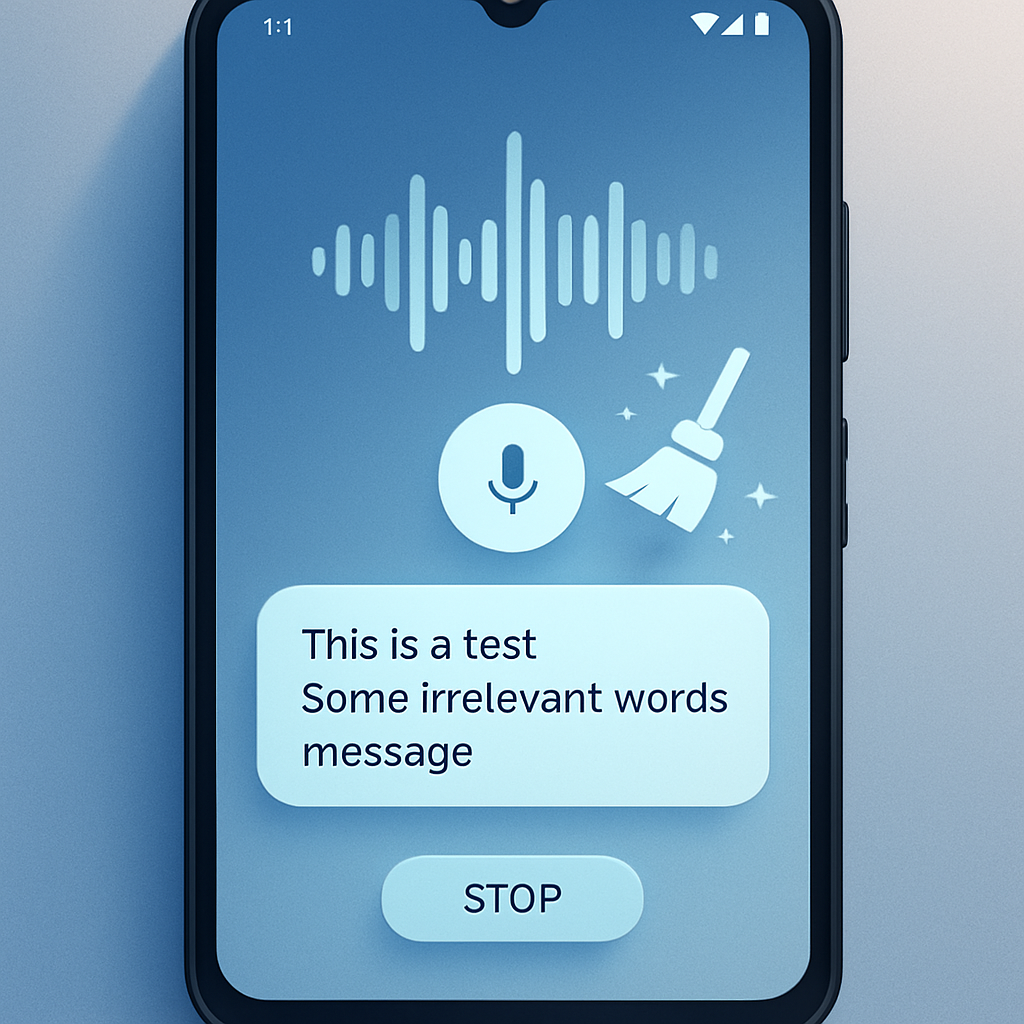
Microsoft-owned SwiftKey is rolling out a new feature called “AI voice” in its Android beta (v9.13.16.4) that closely mirrors the voice-to-text experience known as Rambler, which is currently exclusive to Google’s Pixel 11 series. Users tapping into AI voice can speak freely, then SwiftKey’s AI will remove filler words and auto-format the text once they tap a checkmark to finish. Rambler on Pixel 11 offers similar cleanup and formatting tools, but SwiftKey now aims to bring much of that functionality to non-Pixel Android devices.
One of the biggest differences is where the processing happens. Testing shows AI voice can run entirely offline using a downloadable language model—on a Samsung Fold 8, for example, it took around 163 MB of storage and didn’t require any server connection. That’s a distinct contrast to Pixel 11’s Rambler, which relies on online processing. The trade-off is that AI voice currently lacks support for voice commands to edit text during dictation, which is a feature that Rambler offers.
To use AI voice, users hit the microphone icon in SwiftKey, speak without a live transcript preview, then confirm the input with a checkmark. After confirmation, the AI processes the audio to clean up speech and structure the text. Because there’s no live preview, the user can’t see their words formatted as they speak—another difference from Rambler.
SwiftKey’s AI voice is available now in the latest beta through the Google Play Store. While Rambler remains exclusive to Pixel 11 devices, AI voice gives Android users on other handsets a taste of that refining voice-to-text experience. Other alternatives like Wispr Flow are also available, though they may involve compromises such as lack of direct keyboard integration.
Why It Matters
As voice input becomes ever more central to mobile use—whether composing messages, writing notes, or drafting documents—the gap between what flagship devices offer and what third-party keyboard apps provide shrinks. The offline capability in SwiftKey AI voice is particularly impactful for users who work in low-connectivity areas or prioritize privacy. However, missing polish in this early version—no voice-driven editing, no live preview—underscores that it’s still catching up to Rambler in certain respects.
For Android users outside the Pixel ecosystem, this development means access to enhanced voice-to-text with less dependency on cloud computing. For Google, it poses a question of how to maintain Pixel’s unique edge as competitors reduce the gaps in key features.
What to watch: how quickly SwiftKey expands AI voice’s capabilities—adding live preview, voice editing—and whether Google responds by broadening Rambler’s availability or enhancing it further. How users perceive the trade-offs between offline convenience and feature completeness will also be telling.