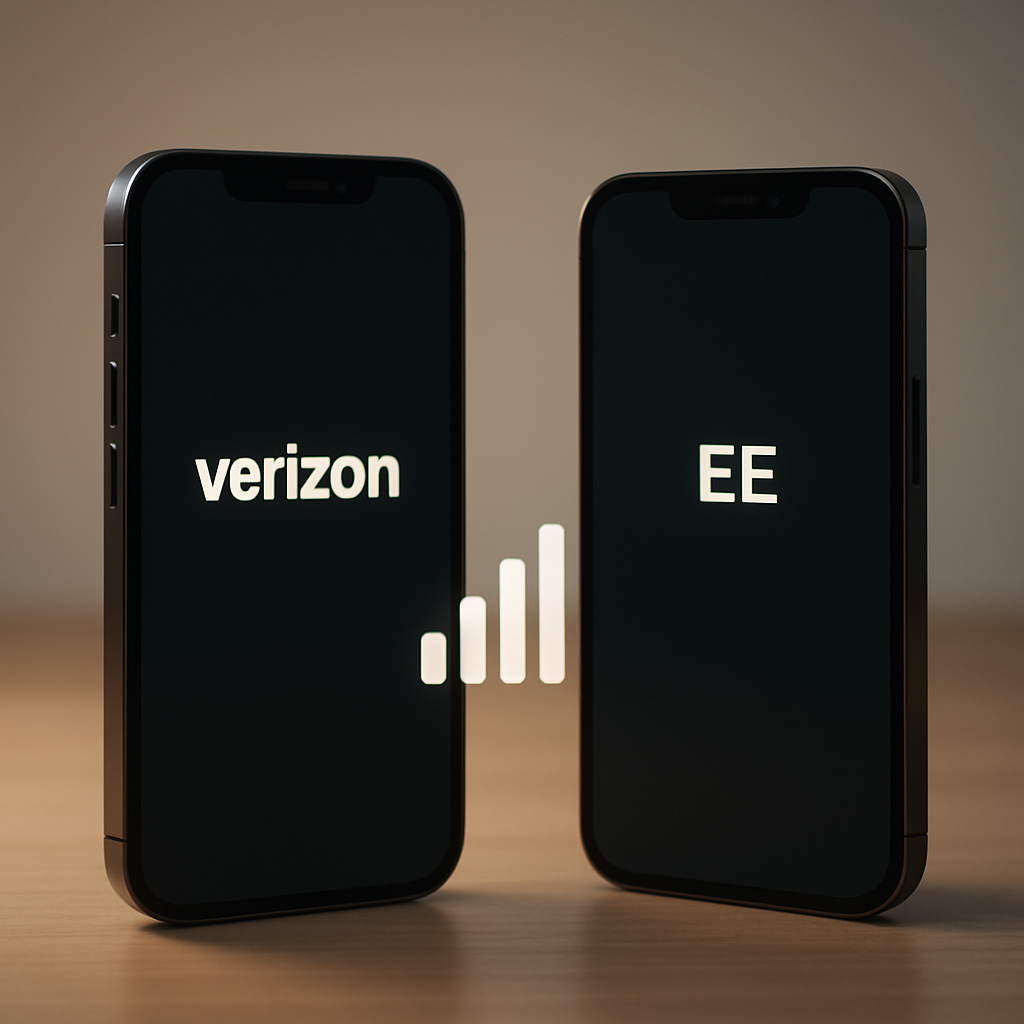
Apple is preparing to broaden the rollout of its iPhone Handoff feature to additional carriers before the end of 2026. Previously limited to just a few providers, the feature will soon be supported by Verizon and EE, joining T-Mobile and Deutsche Telekom in enabling users to switch between iPhones using the same phone number. This change is part of the newly released iOS 27 update.
Introduced with iOS 27, iPhone Handoff allows devices to share one cellular number, letting users move calls or texts between two iPhones seamlessly. Until now, only T-Mobile (which applies a $5/month fee for the service) and Deutsche Telekom have offered support for the feature. Later this year, customers under Verizon and EE will gain access.
The feature is significant because it essentially lets two iPhones behave like one for communication purposes. You can start a call or message on one device, then move onto the other without interruption, so long as both are running iOS 27 and connected through a supported carrier.
How It Works and Carrier Limitations
To use iPhone Handoff, both devices need to be on iOS 27 and connected under the same Apple ID with a shared phone number through a carrier that supports the functionality. Once enabled, the switch is nearly instantaneous—whether picking up a call handed off from the first device or resuming messaging.
Current carrier participation has been limited. Deutsche Telekom and T-Mobile implemented support early on. T-Mobile even monetized its support, charging users a monthly fee. But Verizon and EE will be added later in the year, potentially increasing access for users in the U.S. (Verizon) and the U.K. (EE).
Broader Implications for Apple’s Ecosystem
Handoff’s expansion reflects Apple’s ongoing push to make its hardware ecosystem more interconnected—not just across iPhones, but across different device categories in past years. Seamless transitions between iPhones lay the groundwork for stronger integration across devices, and bring the iPhone experience closer to what iPads and Macs already enjoy in Apple’s continuity framework.
Yet the approach also highlights how much power carriers still hold in enabling—or hindering—certain software features. Even though Apple builds the iPhone Handoff capability into its operating system, it’s ultimately up to cellular providers to support it. Region-specific rollouts and charges like T-Mobile’s mean adoption could be uneven, depending on where you live and your carrier.
For users eyeing this feature, the takeaway is to check if their carrier is on the list—or watch for updates if it isn’t. As Verizon and EE add support later this year, more will likely follow. If you own an eligible iPhone and update to iOS 27, iPhone Handoff could soon become a core part of how you switch between devices without missing a beat.
At a strategic level, this move underscores two things: Apple’s continued emphasis on multi-device fluidity, and the lingering role of carriers in shaping the user experience—even when software makes things possible. What remains to be seen is whether Apple will push to persuade more carriers globally to sign on, and whether the feature becomes standard without extra fees. Those developments could decide whether iPhone Handoff turns into a headline feature of the iOS ecosystem—or just another carrier-dependent add-on.