Google is opening pre-orders for its new “Googlebook” devices on Monday, September 21 at 9 a.m. ET. This marks the first chance to reserve laptops running Google’s upcoming Android-based OS. Devices from manufacturers like Acer, Asus, Dell, HP, and Lenovo are expected among the launch models.
What We Know about Googlebooks
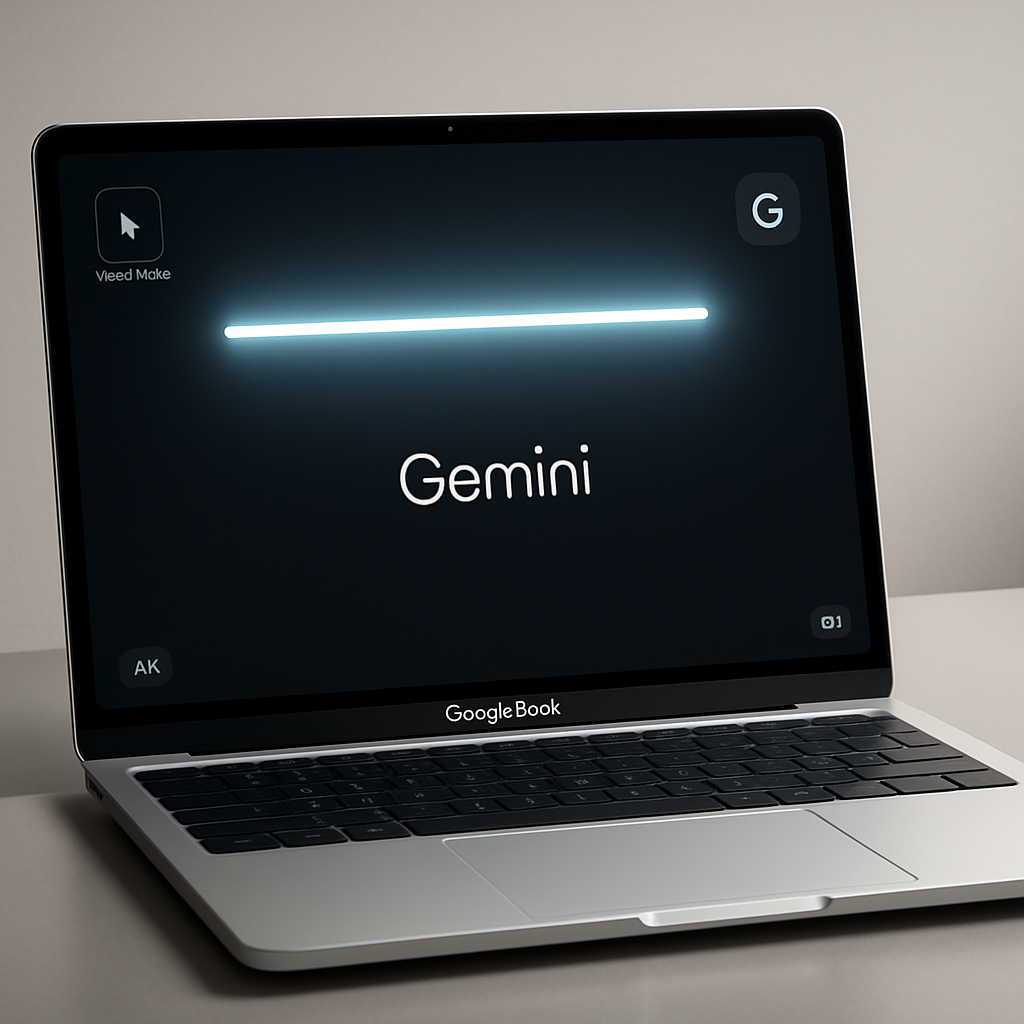
The term “Googlebooks” refers to a new wave of laptops that appear poised to mix elements of Android with Google’s evolving Gemini AI platform. Early teasers show a “Magic Pointer” tool enabling instant access to Gemini—while an animated light bar is projected to become a signature design feature across all models. The “Googlebooks” branding will be prominently displayed on the laptop cover, with the name itself only appearing on the palm rest area beneath the keyboard.
At this stage, Google hasn’t revealed the full operating system’s name or every functional detail. What’s confirmed: when pre-orders begin, Google will likely also release more extensive information about the OS and how Googlebooks differ from existing Chromebooks. Previous leaks have already uncovered details such as Lenovo’s Googlebook 15, which is said to include facial authentication. App hints—like “Look Up,” currently available on phones—suggest Googlebooks will bring new software integrations for desktop workflows.
Timing & What’s Still Unclear
While pre-ordering starts September 21, there’s no word yet on exactly when pre-orders will ship. The timing implies a holiday season launch, likely before Thanksgiving in the U.S. The September 21 notification went out to users who subscribed to updates via Google’s site.
Hardware and configuration details remain sparse. Early leaks point to PCs from top OEMs, but pricing, specifications, regional availability, and how closely Googlebooks will align with or diverge from Chromebooks in terms of performance and ecosystem are still unanswered.
This also marks a transition for Google in distinguishing its laptop lineup: the new “Googlebook” identity seems intended to go beyond the “Chromebook” label, emphasizing AI integration (especially Gemini) and branding touches like the Magic Pointer and light bar. Whether that translates into meaningful differences in user experience or just cosmetic changes remains one of the most compelling open questions.
What to Watch For: On pre-order day, Google should disclose full OS details, model specs, and pricing. Comparing those to existing laptops—especially Chromebooks—will be crucial. If Googlebooks offer real AI-first features rather than branding tweaks, they could reshape expectations for what laptops can do in a post-AI age. But without strong hardware and integrated software, it risks being lighter on impact. This roll-out could either be a turning point or just another refresh in laptop marketing.