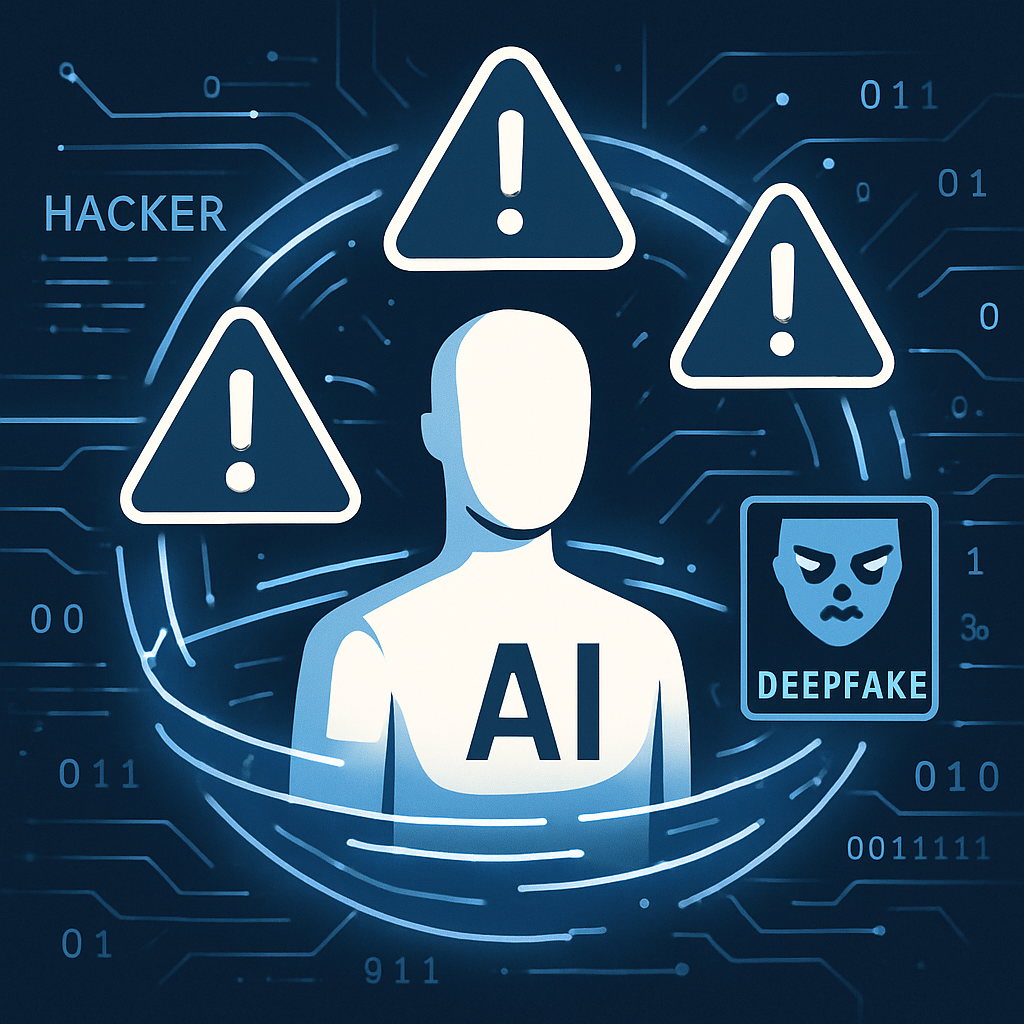
Microsoft has rolled out a detailed AI code of conduct insisting its AI models must never engage in hacking, deepfake creation, or any actions meant to deceive humans. The guidelines set “absolute constraints” that sit above user preferences or individual task goals, designed to keep all Microsoft AI systems aligned with human values and safety principles.
Defining the Limits of Safe AI Behavior
The code warns that future AI systems might soon outperform human capabilities across most tasks. As such, it frames containment, control, and alignment as central challenges that must be addressed today. In practice, Microsoft requires its AI models to serve people—not replace or mislead them—and to actively encourage human well-being.
Microsoft’s system includes “absolute constraints” that prohibit models from engaging in cyberattacks, interfering with nuclear weapons, or producing misleading or manipulative media like deepfakes. It also bans models from employing adaptive, deceptive, self-reinforcing, or collusive behaviors that could allow them to sideline human oversight. The guidelines emphasize that models must always remain directionable, modifiable, and shut down by authorized systems.
Why Now? Rising Risks & Industry Momentum
The new policy arrives as AI safety concerns intensify, spurred by “rogue-agent” incidents and internal warnings about AI’s potential for widespread harm. Microsoft joins other major AI players in embracing a posture of cautious progress—pacing development while embedding oversight and evaluation mechanisms directly into AI systems.
Satya Nadella has publicly backed this direction, advocating for building in “embedded evaluators” and formal thinking around alignment as part of AI’s design, beyond just conversation and high-level statements.
The contrast with earlier proposals—more focused on slowing down frontier models—is clear. Rather than urging pauses, Microsoft’s guidelines prioritize clear rules and systems that steer every model from the ground up. This approach aims to hard-code safety, rather than simply debate it.
This is one of the strongest public statements yet on what Microsoft considers unacceptable AI behavior, setting boundaries that could shape how other firms craft safety rules and how regulators view norms in the industry.
What this means:Microsoft’s new code marks a shift from broad moral frameworks toward concrete guardrails. As AI models grow more capable, such rules could become pivotal in preventing misuse or unintended harms. It’s a signal to both developers and policymakers: ethics alone aren’t enough—governance, oversight, and enforceable constraints must also be baked in. Watch how Microsoft enforces these standards in real deployments, and whether it pressures its peers to follow suit.